
Order your 8-pack / 12 pack box today
A late meeting, a hungry family, a train to catch the next morning - these are not the moments for bland food or a kitchen full of pans. You can serve African meals quickly without watering down the spice, comfort and character that make the food worth eating in the first place.
The answer is not to treat African food as a once-in-a-while project. It is to build a smarter routine around it: keep flavourful staples close, use a few well-chosen shortcuts, and make fast meals feel intentional. Real food. Rooted in culture. Ready when your day is moving fast.
Serve African meals quickly by changing the setup
Speed starts before anyone says, “What’s for dinner?” A well-stocked cupboard is the difference between reaching for a forgettable snack and sitting down to a meal with real depth. Shelf-stable African meal options, grains, sauces, beans and seasonings make it possible to eat well even when the fridge is looking sparse.
Think in building blocks. You need a satisfying base, a source of protein or vegetables, and a bold finishing flavour. When those elements are already in the kitchen, dinner becomes assembly rather than a long cooking session.
A shelf-stable meal cup that prepares with hot water can be a brilliant base on its own, particularly on workdays, at university or between errands. It can also become part of a fuller plate with a handful of fresh additions. That is convenience with standards, not a compromise disguised as dinner.
Keep flavour within reach
The most useful shortcuts are the ones that protect flavour. Keep dried chilli, ginger, garlic, onions, smoked paprika, curry blends, ground crayfish where suitable for your diet, and stock close by. You do not need every ingredient in the cupboard. A small collection you know how to use beats a drawer of forgotten jars.
Frozen ingredients deserve more respect, too. Chopped spinach, mixed vegetables, peas, plantain slices and cooked beans can save serious time. They are especially useful when fresh produce has run out, and they let you add colour and substance without another shopping trip.
For busy households, it also helps to prepare one or two flavour foundations at the weekend. Blend or finely chop a mix of onion, pepper, garlic and ginger, then store it safely in the fridge or freezer in small portions. A spoonful gives eggs, beans, rice dishes and quick sauces a proper head start.
The five-to-seven-minute meal is a real meal
Fast food has earned a poor reputation because it is often engineered for speed first and everything else second. African meals do not have to follow that rule. A quick meal can still have warmth, texture, fragrance and a clear sense of where its flavours come from.
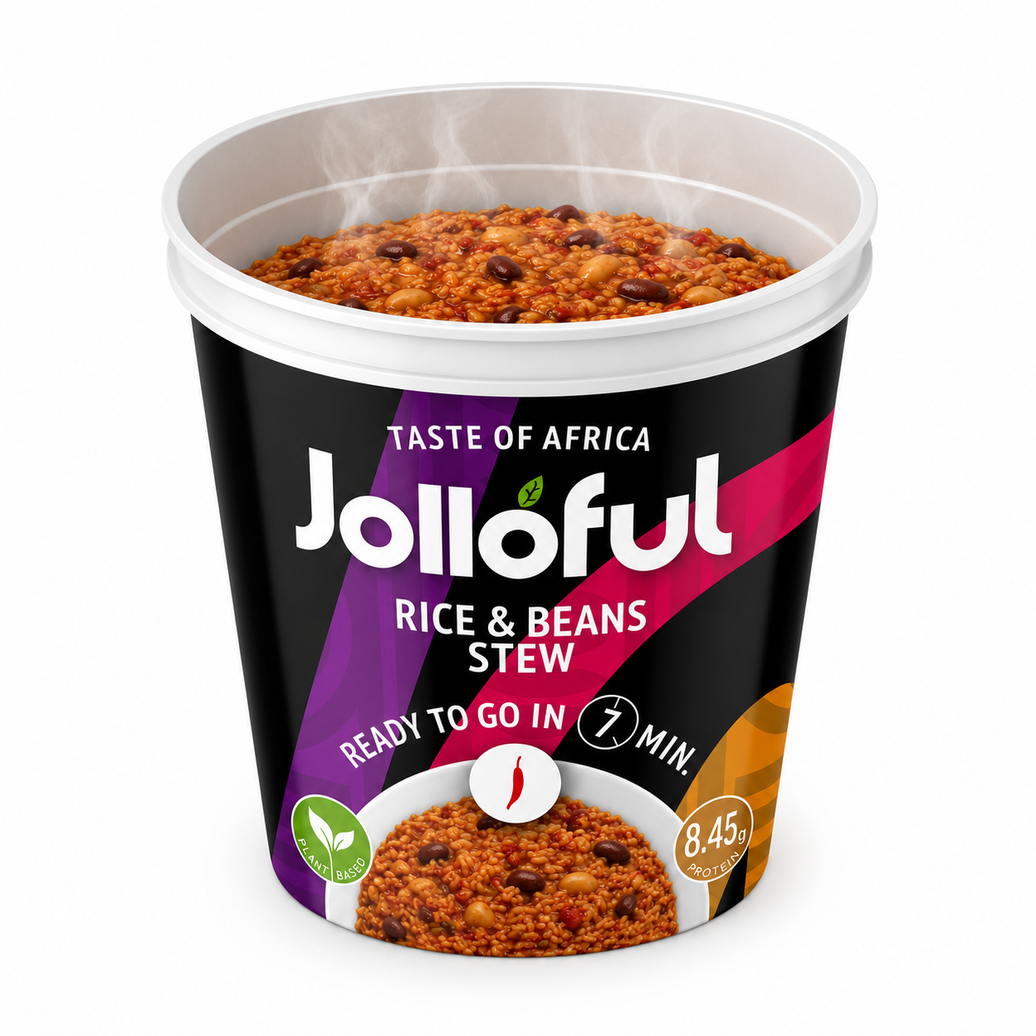
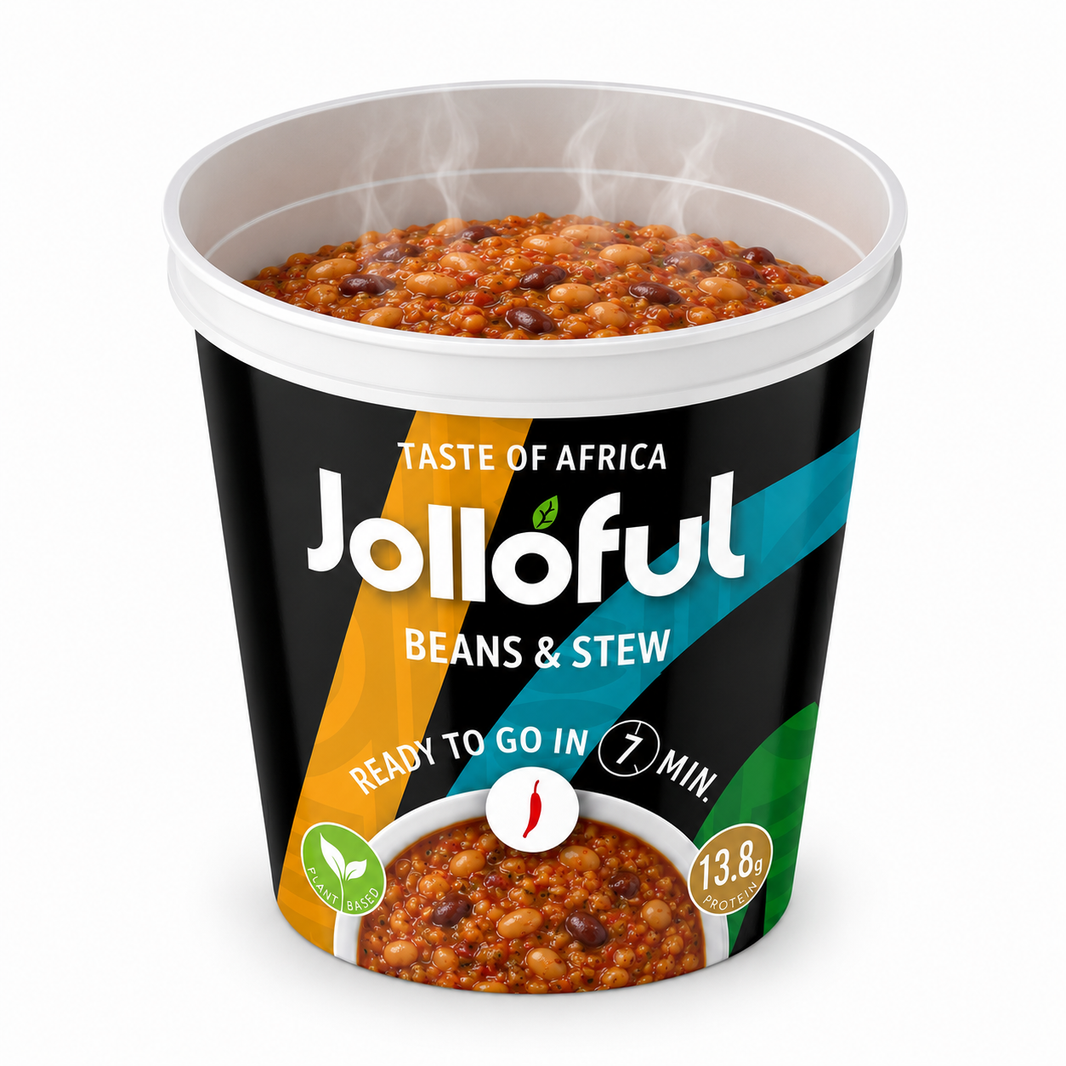
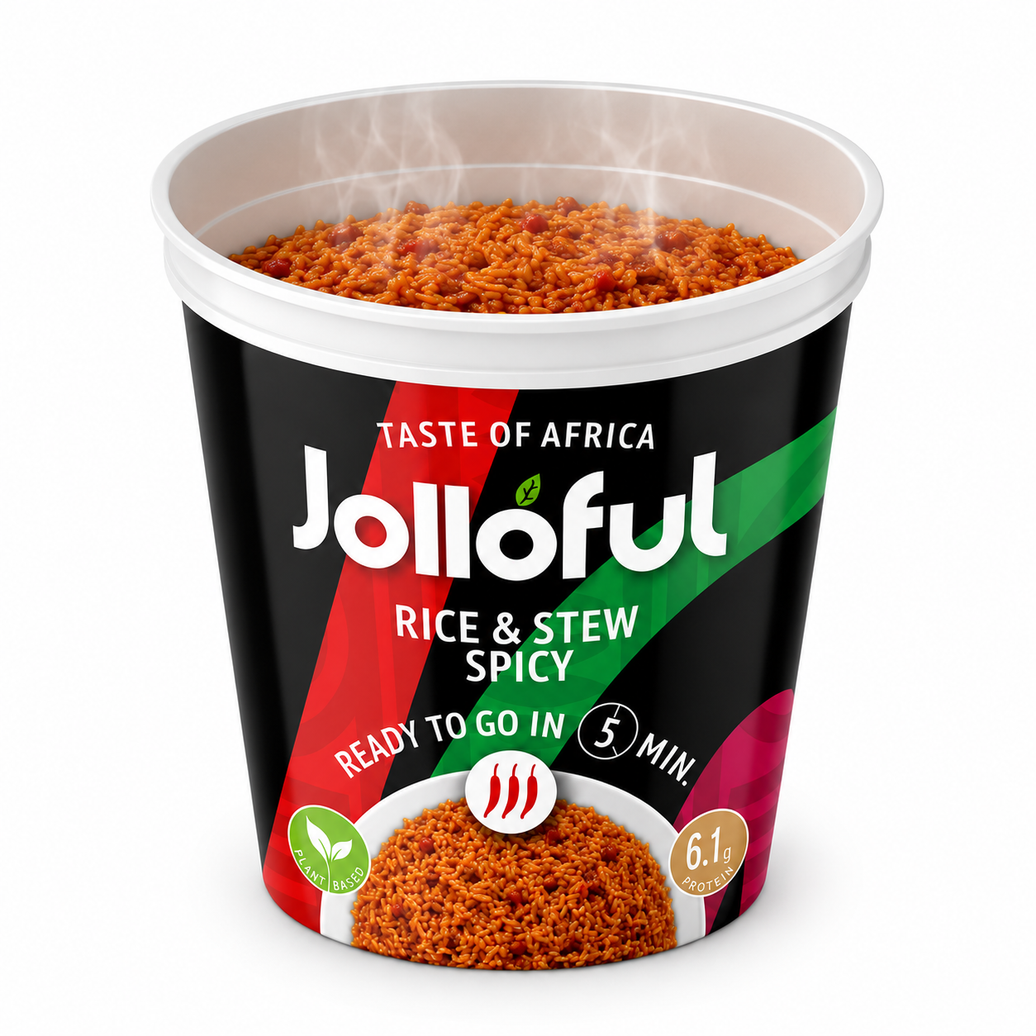
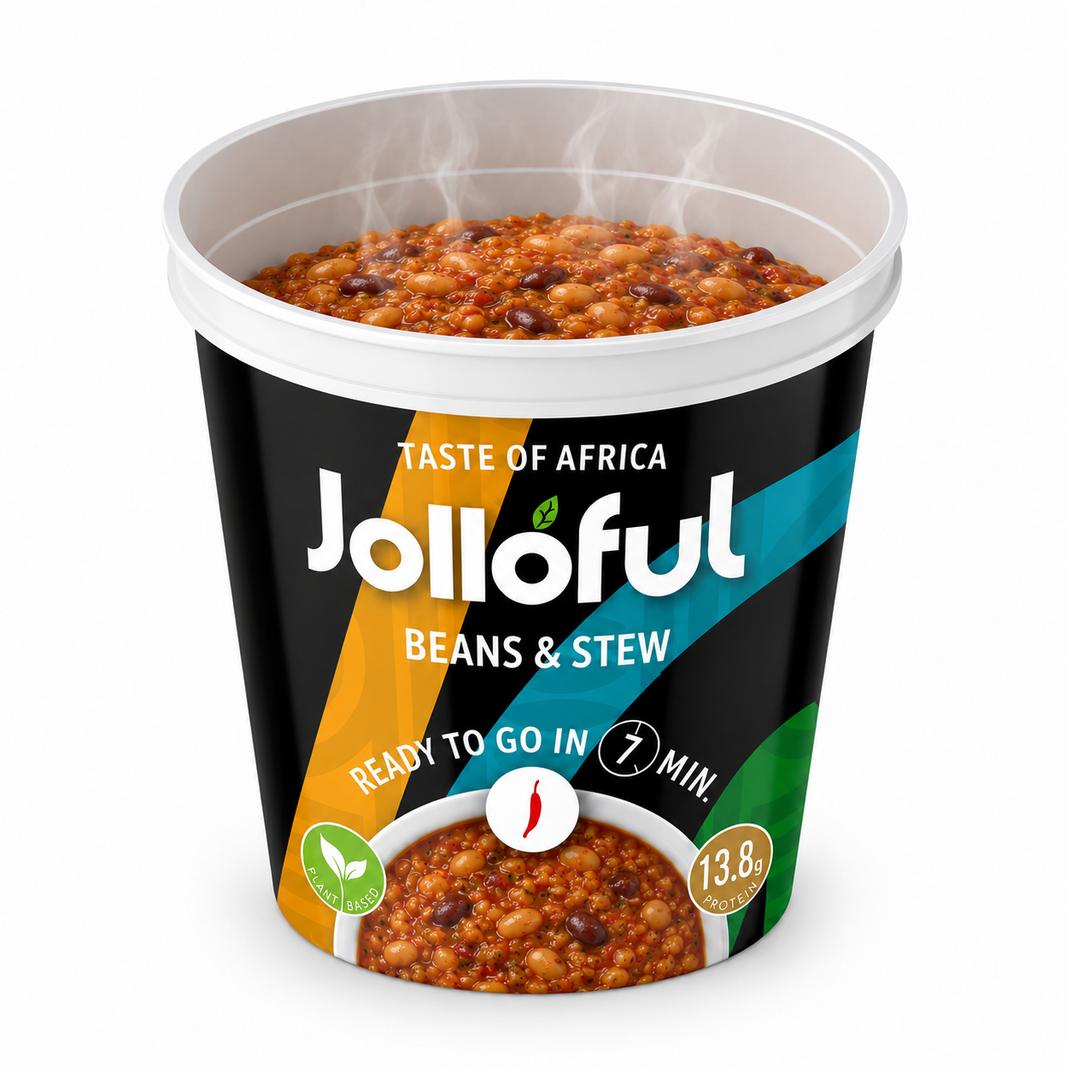
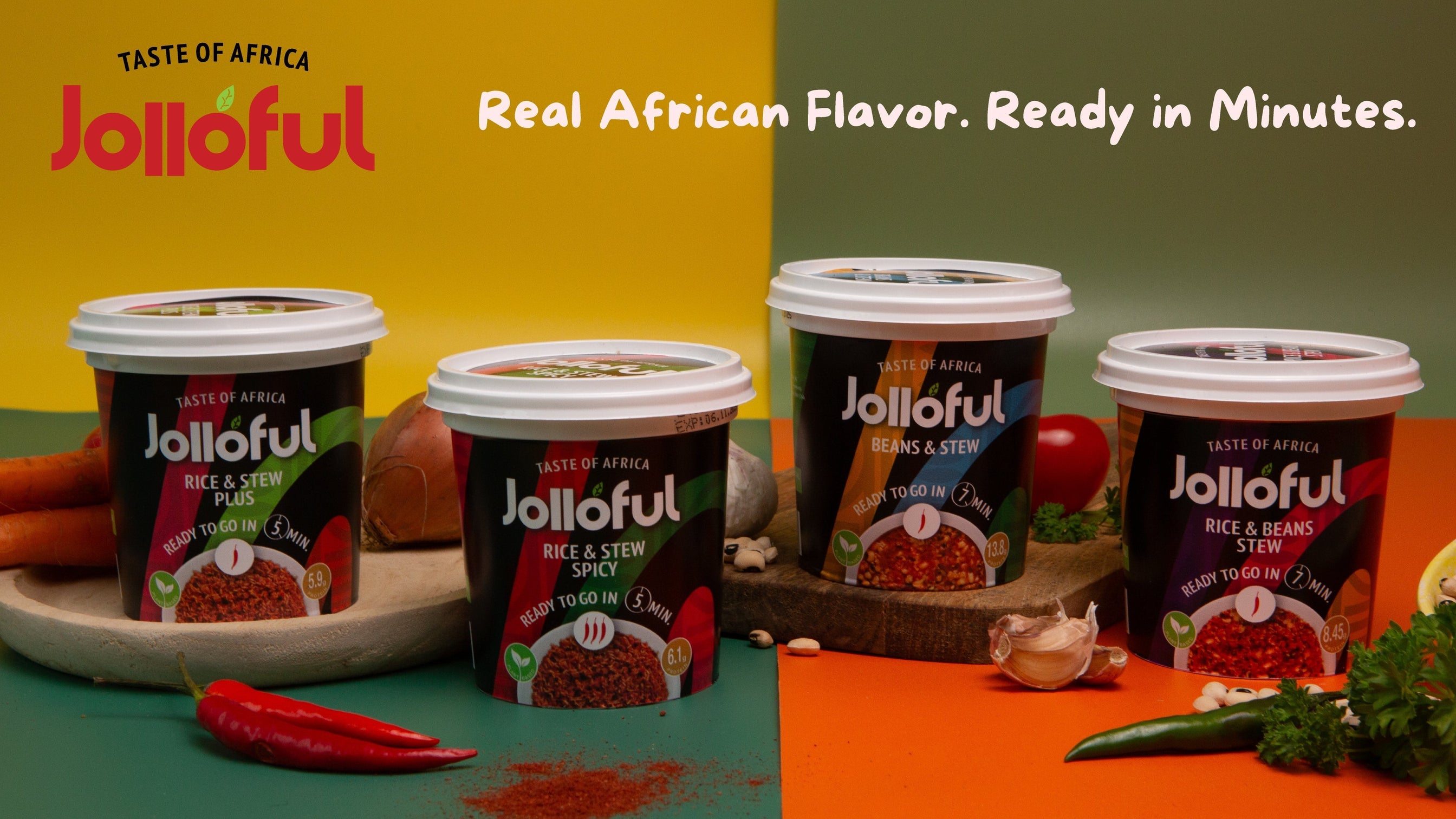
Jolloful makes that idea practical with ready-to-go West African meal cups made with real ingredients and designed to prepare in five to seven minutes with hot water. They are built for the moments when cooking from scratch is not realistic, but settling for a bland, overly processed alternative is not appealing either.
This approach works particularly well when you need one dependable meal rather than a full cooking session. Lunch at your desk. A quick supper after the gym. A warm meal in a student room. A fallback dinner when everyone arrives home at different times. The meal is fast, but it should never feel like an afterthought.
Make it yours in one extra minute
If you have a little more time, add something fresh or crunchy. A fried egg, sliced avocado, a spoonful of yoghurt, leftover chicken, fresh herbs or a scatter of toasted nuts can change the experience without turning it into a recipe marathon.
The trade-off is simple: every extra ingredient adds a little more prep and washing-up. On your busiest nights, let the meal stand on its own. On quieter evenings, add one element that brings contrast. You do not need a table crowded with side dishes to make food feel generous.
Fast African meals need a rhythm, not a rigid plan
Meal planning can sound like another task for an already crowded week. Keep it lighter. Instead of planning seven exact dinners, choose three meal moments: a genuinely quick option, a batch-cooked option, and a flexible option for leftovers.
Your quick option is for the nights when time is tight and energy is lower still. Your batch-cooked option might be a pot of spiced beans, stew or grilled protein prepared earlier and used in different ways. Your flexible option is made from whatever is left, supported by a bold sauce, seasoning or ready-to-prepare meal.
This is more realistic than promising yourself a different ambitious dish every evening. It also reduces waste. Leftover roast vegetables can become a topping. A small piece of chicken can stretch across two lunches. Half an onion and a handful of greens can add life to a quick bowl.
Give each household member a role
For families, speed improves when one person is not doing every job. Someone can boil the kettle, someone else can set out bowls, and older children can wash herbs or slice soft vegetables safely. The goal is not to turn dinner into a production line. It is to make the meal happen without one person carrying all the pressure.
If you live alone, create the same rhythm for yourself. Put your bowl out while the kettle boils. Choose your topping before you are hungry. Tiny habits remove the decisions that make a quick meal feel harder than it is.
What to avoid when time is short
The biggest mistake is assuming quick means random. Eating a pastry or crisps because dinner feels too far away often leads to more snacking and less satisfaction later. A warm, balanced meal prepared in minutes is more likely to carry you through the evening.
It also helps to avoid overcomplicating authenticity. There is room for slow cooking, family recipes and long weekend meals. There is also room for a flavourful meal that fits into a modern schedule. Both can honour African food. What matters is that convenience does not erase the ingredients, seasoning and cultural pride behind the plate.
Be honest about your heat level, too. Spicy food should feel exciting, not like a challenge you have to prove yourself through. Start where you are, then build confidence with chilli, pepper sauces and bolder seasonings over time.
Serve African meals quickly, wherever the day takes you
A good fast meal travels well through real life. Keep a few shelf-stable options at work, in your kitchen cupboard or packed for a weekend away. All you need is access to hot water, a spoon and a few minutes. That is particularly useful in the UK, where lunch breaks can be short and convenience shelves are still too often dominated by familiar, flat flavours.
For people who grew up with these flavours, quick African meals can offer a small but meaningful connection on a packed day. For people trying them for the first time, they offer an easy entry point without asking you to learn an entire cuisine before your next meal.
The best shortcut is not the one that asks you to expect less from food. It is the one that gives you a proper meal when life is full - vibrant, satisfying and ready before your appetite turns into a problem.


Hinterlasse einen Kommentar