
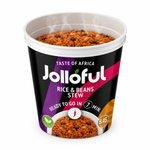
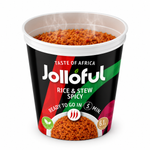

Imagine sitting down for dinner, excited to share a taste of Lagos, only to have your toddler push the plate away because the stew looks "too red." You want your children to grow up loving the soul-satisfying flavors of your heritage. Yet, the fear of a spice-induced meltdown or a rejected meal often keeps these vibrant dishes off the weekly rotation.
It's a common struggle for many parents. You're busy, and the thought of cooking separate meals for picky eaters is exhausting. You need a solution that brings the family together. This guide reveals the easy way to introduce kids to Nigerian food by using mild recipes and clever "bridge" foods that feel familiar to young palates.
We'll show you how to serve healthy, protein-rich African meals that everyone can enjoy without the tears. From taming the heat in classic stews to finding the perfect textures, you're about to transform your dinner table into a place of peaceful, delicious discovery.
Beyond the Spice: Why Kids Actually Love Nigerian Flavours
Many people assume West African cooking is strictly about high heat. In reality, the core flavor profile is a rich, savory umami base. It's built on a vibrant trio of fresh tomatoes, onions, and bell peppers. This combination creates a savory depth that is satisfying and deeply comforting for children.
There is a natural sweetness hidden in these traditional dishes. Slow-cooking the peppers and onions mellows them out and releases their natural sugars. This creates a gentle, rounded flavor that appeals to young palates. Using these sweet, savory foundations is an easy way to introduce kids to Nigerian food without the drama of "too much spice."
The "one-pot" philosophy of West African cooking is a nutritional goldmine. Every spoonful is a balanced mix of carbohydrates, healthy fats, and lean proteins. It's efficient fuel for growing bodies and busy schedules. For a parent, it means less time worrying about complex side dishes and more time enjoying a peaceful dinner where everyone actually eats.
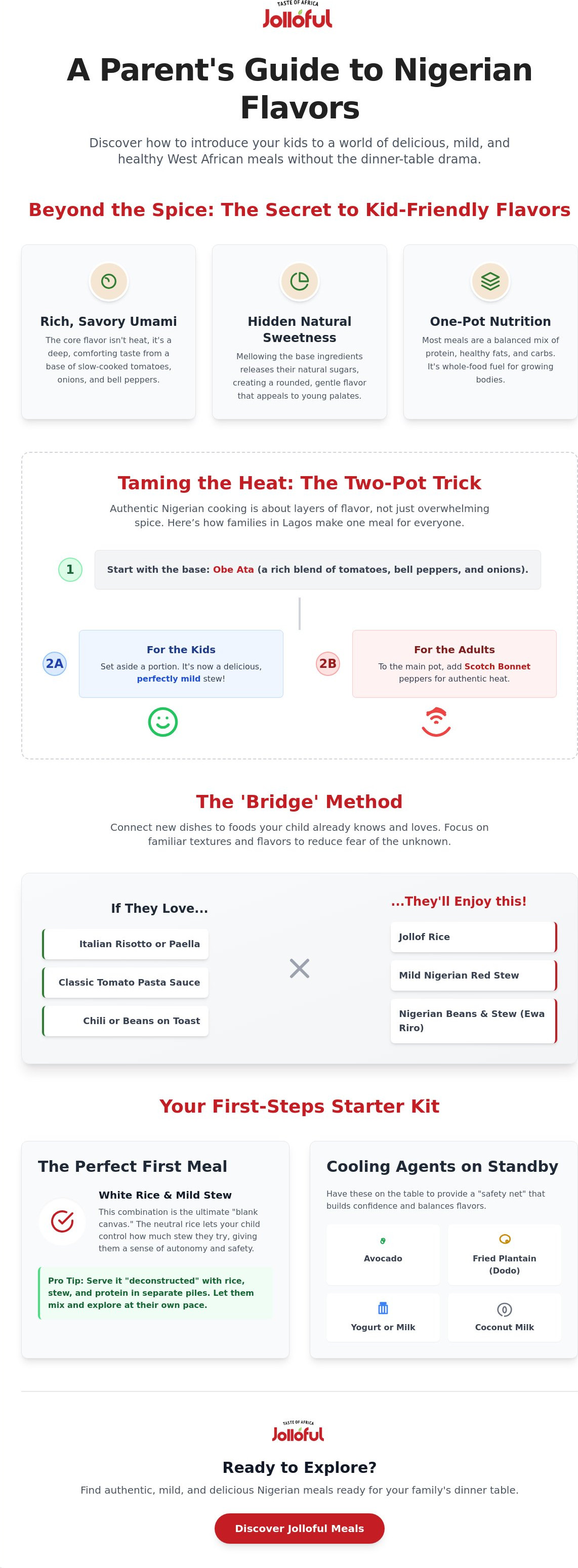
The Magic of the Tomato-Red Base
The vibrant red color of Nigerian stews is instantly inviting. It looks exciting and bold on the dinner plate. Most children are already big fans of red sauces, like a classic Italian marinara. You can think of the Nigerian base as a cousin to those familiar favorites, but with a much richer soul and a more enticing aroma that fills the kitchen.
Obe Ata is the essential tomato and pepper base that serves as the foundation for most Nigerian family meals.
Nutritional Powerhouse Ingredients
Traditional Nigerian cuisine relies on whole, natural ingredients. You won't find the artificial preservatives or hidden fillers common in processed convenience foods. Instead, you get "superfood" protein sources like brown or white beans. When paired with white rice, these beans provide sustained energy and essential fiber for the whole day.
Introducing these staples to your weekly rotation doesn't require a high spice tolerance. Mild variants offer the full aromatic experience without the intense "sting" of scotch bonnet peppers. It's about authentic, heritage-focused eating that fits a modern, health-conscious lifestyle. Your kids get the best of tradition in a way that feels safe, approachable, and absolutely delicious for them.
Taming the Heat: A Parent’s Guide to 'Mild' Nigerian Spices
The biggest worry for most parents is the "heat factor." There is a common myth that all West African food is a one-way ticket to a burnt tongue. This simply isn't true. Authentic cooking is about layers of flavor, not just raw heat. Finding an easy way to introduce kids to Nigerian food starts with understanding how to balance the spice rack.
Nigerian cuisine relies heavily on aromatics that provide warmth without the "sting." Ingredients like earthy nutmeg, pungent garlic, and zesty ginger create a deep sensory experience. These spices offer plenty of character but zero pain. In Lagos homes, parents often set aside a portion of the tomato base before adding any scotch bonnet peppers. This ensures the children get all the nutrients and soul of the meal in a version they can actually enjoy.
Studies on Nigerian children's dietary patterns show that savory, tomato-based stews and staple grains are central to their early development. These meals are designed to be nourishing and approachable. You can use a "scaling" strategy at home. Start with entirely mild versions and slowly let your children experiment with tiny amounts of heat as their taste buds mature and their curiosity grows.
Choosing the Right 'Entry Level' Dishes
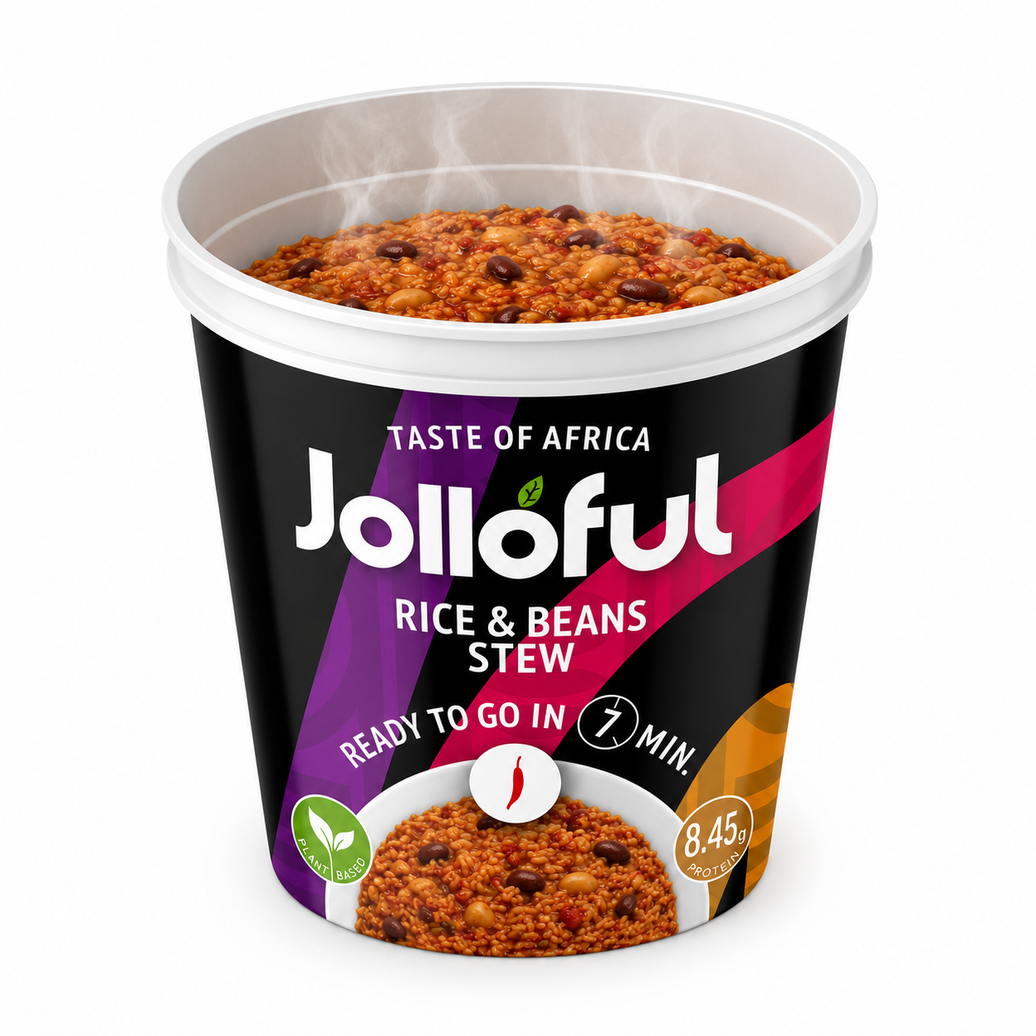
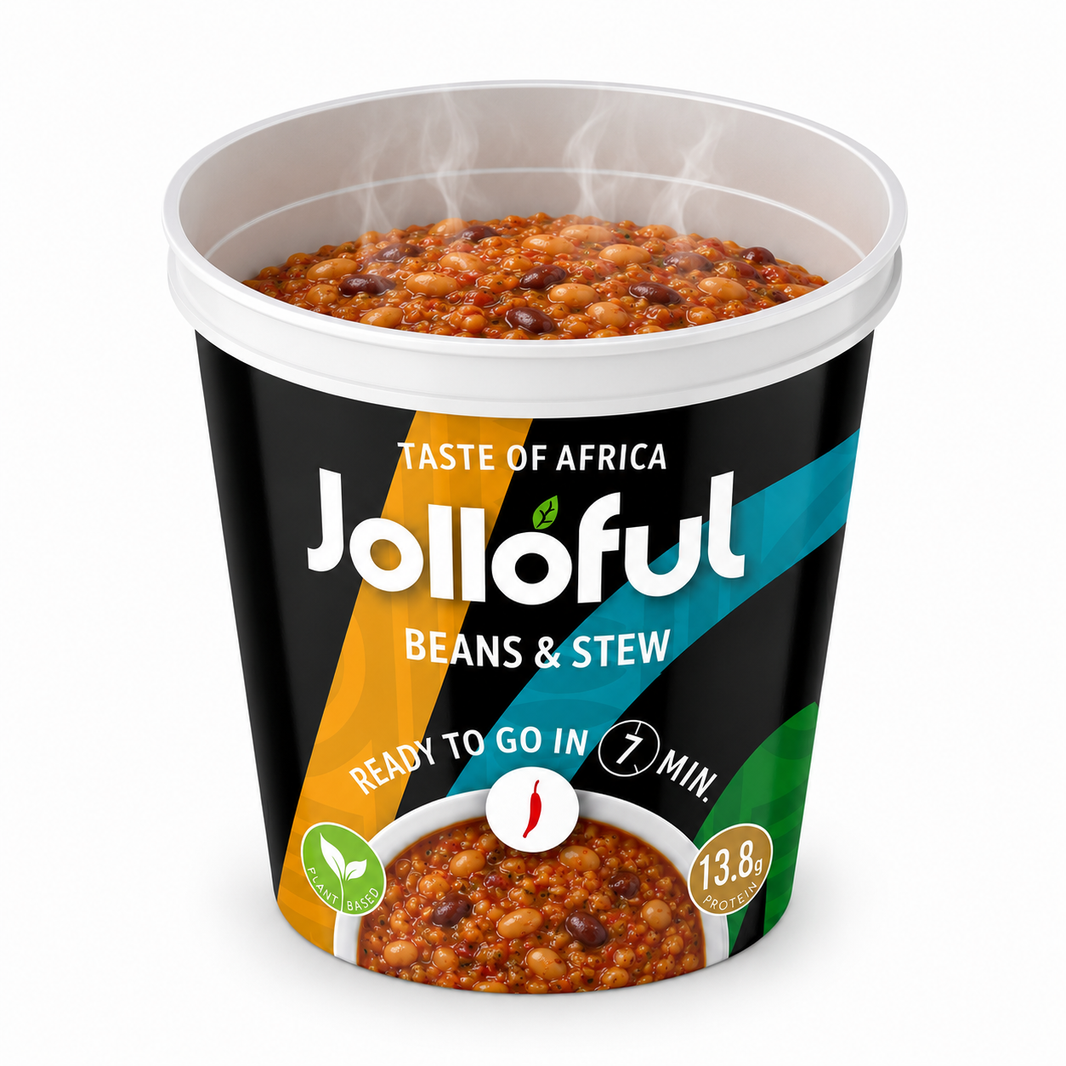
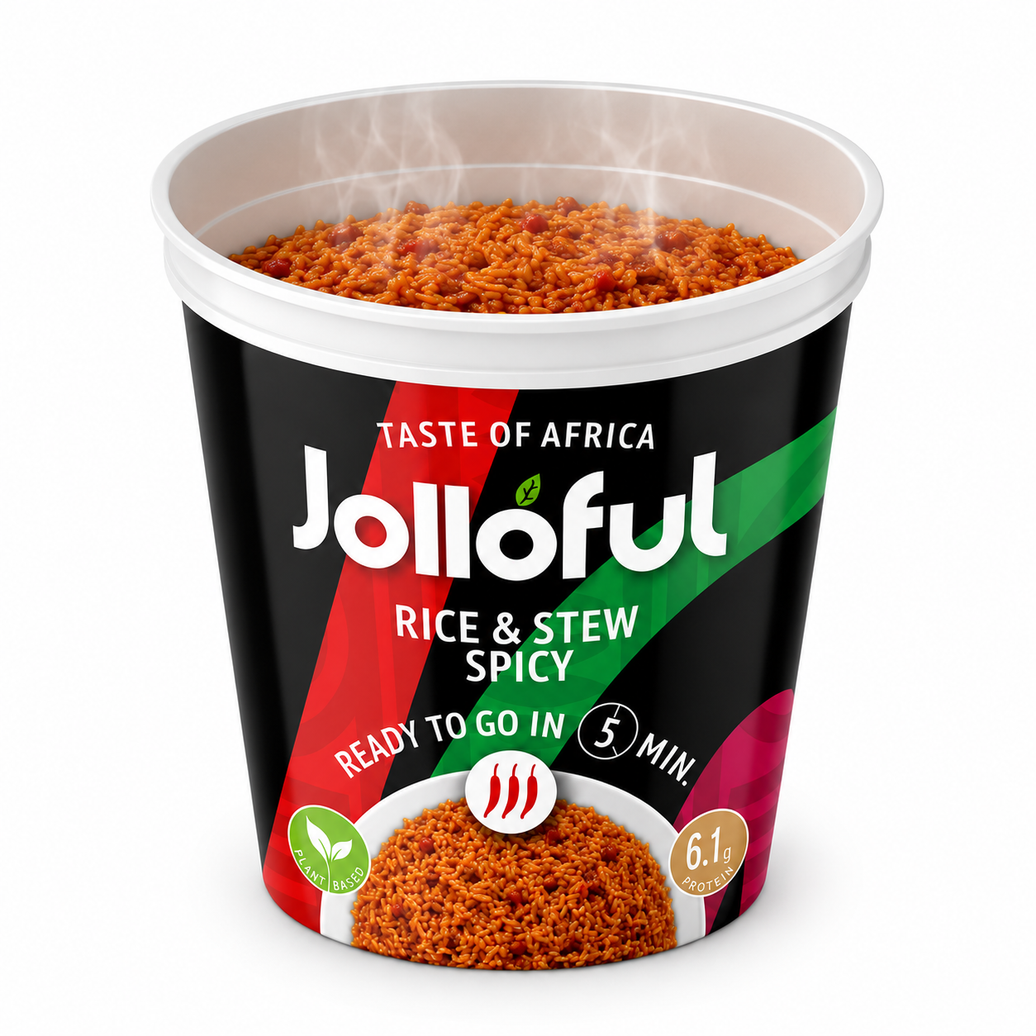
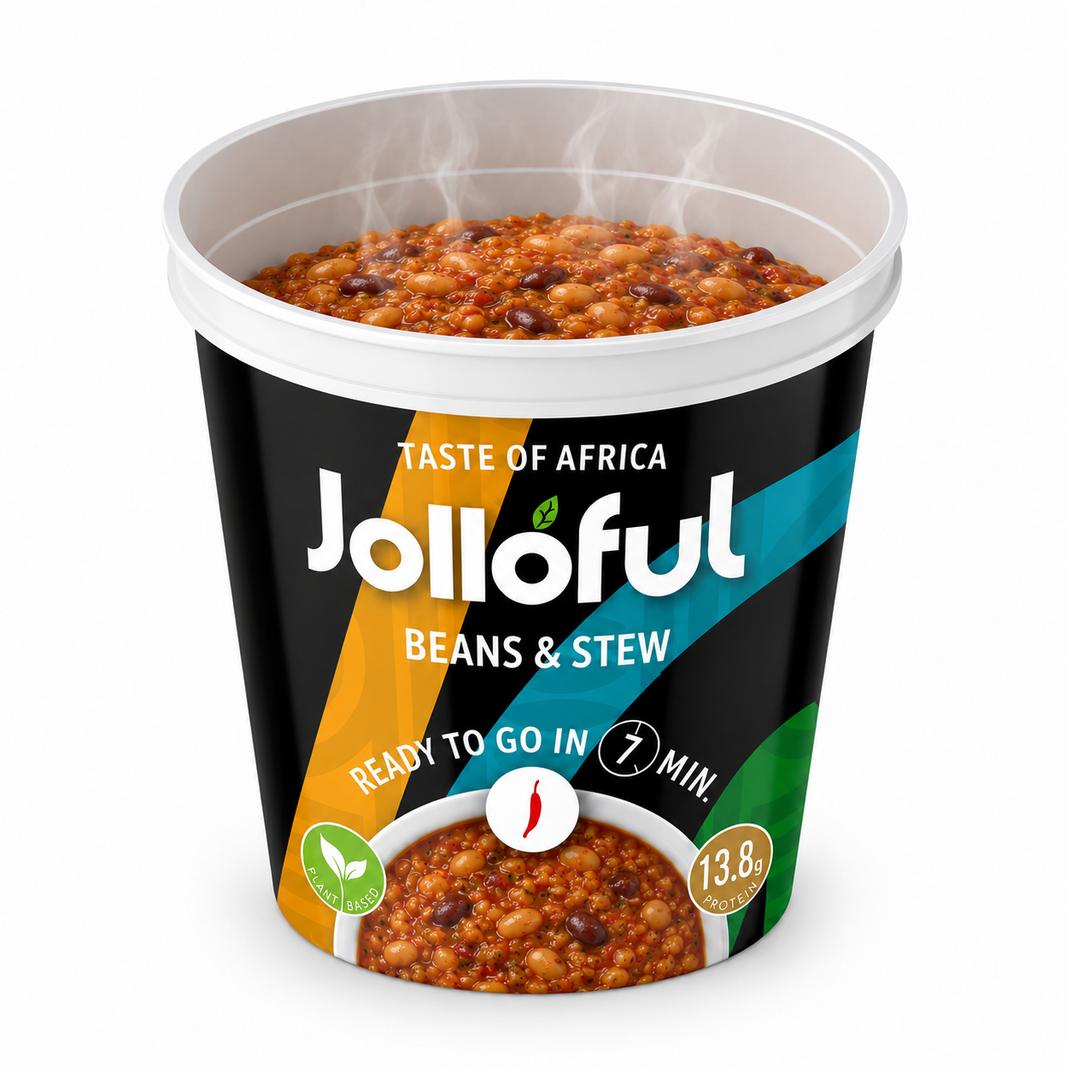
The safest first step for any family is White Rice and stew (Mild). It is the ultimate "blank canvas" for a picky eater. Because the rice is neutral, children feel in control of their plate. They can dip a small corner of rice into the stew to test the waters. For a stress-free start, the Jolloful Variety Pack is an excellent tool. It allows you to test different heat levels safely without spending hours in the kitchen prepping multiple pots from scratch.
Cooling Agents to Have on Standby
Even with mild stews, it's smart to have "cooling agents" on the table. A few slices of creamy avocado or a splash of coconut milk can instantly mellow out any unexpected zing. The natural sweetness of fried plantain, known as dodo, acts as the perfect sugary counter-balance to savory flavors. For the very first tasting session, keep a small bowl of yogurt or a glass of milk nearby. It provides a safety net that gives children the confidence to try something new without fear. Explore our range of mild and authentic Nigerian meals to find your family's new favorite today.
The 'Bridge' Method: Using Familiar Foods to Introduce New Textures
The 'Bridge' method is a powerful tool for parents. It connects a new dish to something your child already loves. This reduces the "fear of the unknown" that often leads to mealtime standoffs. It is an easy way to introduce kids to Nigerian food by focusing on textures and flavors that feel safe and familiar. You aren't asking them to leap into a new world; you're just taking a small step across a bridge.
If your little one enjoys Spanish Paella or a creamy Italian Risotto, they are already halfway to loving Jollof Rice. The textures are remarkably similar. Likewise, Nigerian beans and stew offer a flavor profile that echoes the classic "beans on toast" but with more aromatic depth and soul. These comparisons help children categorize new foods as "tasty and safe" rather than "different and scary."
Try the "deconstructed" plate for the first few attempts. Instead of mixing the stew directly into the rice, keep the stew, rice, and protein in separate sections of the plate. This gives the child a sense of control over their meal. They can choose exactly how much of the new sauce touches their familiar rice. This autonomy is a simple but effective strategy for a peaceful family dinner where everyone is willing to try something new.
Rice: The Universal Language
Rice is the ultimate "safe" food. It's a global staple that kids almost always accept. The long-grain parboiled rice used in Nigerian cooking is particularly great for children because it stays fluffy and separate. It never turns into the mushy texture that some picky eaters find off-putting. Jolloful's story is rooted in bringing these universal rice dishes to modern homes with authenticity and ease, making it simpler for you to share your heritage.
Beans and Stew: The Ultimate Comfort Food
Nigerian beans are slow-cooked until they are incredibly soft and creamy. This makes them easy for toddlers to chew and swallow. When you pair these beans with a mild tomato stew, the result is a naturally sweet and savory meal. It mimics the comfort of baked beans but offers a much richer experience. The aroma of the slow-simmered tomatoes and onions makes the kitchen feel warm and welcoming, just like a Lagos home at dinner time.
Understanding the cultural perspectives on feeding children in Nigeria helps us see that these meals are designed for community and health. Beans are a high-fiber and high-protein win for parents. They provide the sustained energy kids need for a day of play. By using these familiar textures as a starting point, you can build a diverse and healthy weekly rotation without the stress of a rejected meal.
Quick Fixes for Busy Kitchens: Authentic Meals in Minutes
Parents in the UK, Germany, and beyond are often racing against the clock. Spending four hours simmering a traditional tomato stew isn't always realistic on a Tuesday evening. You need a solution that fits your schedule without compromising on nutrition or culture. This is the ultimate easy way to introduce kids to Nigerian food while keeping your sanity intact.
We use "authentic food tech" to preserve heritage flavors without the long wait. By capturing the soul of Lagos kitchens in a shelf-stable format, we ensure that premium meals are always ready when you are. These ready-to-eat packs are lifesavers for hectic school nights. They allow you to serve a restorative, healthy dinner in the time it takes to set the table.
Modern efficiency doesn't mean skipping out on quality. Our meals focus on ingredient integrity, providing the same warmth and community feel as a home-cooked pot. You can now integrate protein-rich West African staples into your weekly rotation with zero stress. It's about making tradition accessible for a fast-paced, contemporary lifestyle.
The 5-Minute Nigerian Dinner Routine
- Step 1: Choose a mild base like White Rice and Stew.
- Step 2: Heat the meal for a few minutes until the rich aroma of tomatoes and peppers fills the room.
- Step 3: Add a simple fresh side, such as steamed broccoli or sliced cucumbers, to create a perfectly balanced plate.
- Step 4: Serve the meal and watch your child's curiosity turn into a clean plate.
No Preservatives, Just Real Ingredients
Many parents worry that "packaged" means "processed" or "unhealthy." We prioritize transparency and wellness in every pack. Dehydration naturally preserves the authentic flavor of Jolloful meals without the need for artificial additives or hidden chemicals. This process keeps the ingredients fresh and the nutrients locked in for your growing family.
Think of these meal kits as high-end deli options rather than "instant" junk food. You get the same quality you would find in a traditional kitchen, just delivered with modern speed. It is a reliable way to ensure your children eat well even when you are short on time. Explore our range of authentic Nigerian meals and simplify your family's dinner routine today.
Beyond the Plate: Turning Dinner into a Cultural Celebration
Transform your dining room into a mini-vacation to West Africa. Dinner is more than just fuel; it's a chance to share the soul of Lagos with your family. This cultural connection is an easy way to introduce kids to Nigerian food by making every bite feel like an adventure. When children feel they're part of a story, they're much more likely to explore new textures and flavors without hesitation.
Share the legendary "Jollof Wars" with them. Explain how different countries across West Africa compete for the title of the best rice. It turns a simple bowl of rice into a championship event. Mention the bustling energy of Lagos street food, where the aroma of roasting peppers and savory stews fills the air. These stories build anticipation. They turn a new meal into a celebrated event rather than a chore.
Communal eating is a cornerstone of Nigerian culture. It fosters a warm, positive relationship with food. Instead of focusing on "finishing the plate," focus on the shared experience. Put on some Afrobeats in the background to set a vibrant, high-energy mood. The rhythm and the rich flavors work together. This creates a sensory celebration that kids will want to repeat every week. It's about building community right at your kitchen table.
Storytelling and Sensory Play
Get your kids involved by asking sensory questions. Ask them to describe the smell of the steam rising from the stew. Is it earthy? Warm? Sweet? Tell them the "Legend of Jollof," explaining how this iconic dish traveled across borders to become Africa's most famous meal. Point out the bright red colors of the bell peppers and tomatoes. Show them the fresh, natural vegetables hidden in every savory spoonful. This makes the meal visual and educational.
Creating a 'Taste Passport'
Gamify the experience with a "Taste Passport." Give your children a sticker or a colorful stamp every time they try a new Nigerian dish. You can even start a "Best of Africa" food diary to track their favorite flavors and spice levels. It turns healthy eating into a rewarding journey of discovery. It gives them a sense of achievement with every new taste. For more cultural stories and meal ideas, explore our Best of Africa page to keep the inspiration flowing.
Bring the Flavours of Lagos to Your Family Table
Sharing your heritage shouldn't feel like a chore. By focusing on the natural sweetness of tomato-based stews and using familiar "bridge" foods like fluffy rice, you can create a mealtime experience that is both healthy and exciting. You don't need hours in the kitchen to serve authentic West African recipes that your children will actually enjoy. Transitioning to these vibrant dishes is simpler than you think when you start with mild options and a bit of cultural storytelling.
This is the easy way to introduce kids to Nigerian food without the heat-induced meltdowns or rejected plates. Our ready-to-eat meals are prepared with real ingredients and contain no artificial preservatives or additives. You get the restorative power of a home-cooked meal in under 5 minutes. It is time to reclaim your evenings and turn dinner into a celebration of culture and community.
Order a Jolloful Variety Pack and start your family's flavour adventure today!
Your journey toward a more diverse, protein-rich family menu starts with a single bite. We can't wait to see your children discover their new favourite meal.
Frequently Asked Questions
Is Nigerian food too spicy for a 2-year-old?
No, Nigerian food is not inherently too spicy for toddlers. Many families in Lagos prepare mild versions of classic stews specifically for young children. By focusing on the savory tomato and bell pepper base, you provide a rich flavor without the heat. It is a great way to build a diverse palate early in life.
What is the best Nigerian dish for a picky eater to try first?
White Rice and Stew (Mild) is the best starting point. Most kids already love rice, so it feels safe and familiar. Keeping the stew on the side allows them to dip and taste at their own pace. This control often reduces the anxiety picky eaters feel when trying new textures for the first time.
How can I make Nigerian stew milder at home?
You can lower the heat by removing the seeds from peppers or skipping Scotch bonnets entirely. Increase the ratio of red bell peppers and fresh tomatoes to add natural sweetness. This creates a deep, savory Obe Ata base that is flavorful but gentle on young taste buds.
Are Jolloful ready-to-eat meals healthy for school-aged children?
Jolloful meals are a healthy, protein-rich option for school-aged children. We use real ingredients and traditional cooking methods without any artificial preservatives or additives. Each pack provides a balanced meal of carbohydrates and protein to keep kids energized throughout the school day.
Can I introduce Nigerian food if my child has a nut allergy?
Yes, most staple Nigerian dishes like rice and tomato stews are naturally nut-free. Traditional recipes focus on peppers, onions, and aromatic spices rather than nuts. However, you should always check specific ingredient labels on our packaging to ensure your child's safety during their flavor journey.
What are the best side dishes to serve with Nigerian rice for kids?
Fried plantain, known as dodo, is a massive hit with children because of its caramelized sweetness. Creamy avocado slices or a side of steamed broccoli also work well. These sides help balance the savory notes of the rice and make the plate look colorful and inviting for little ones.
How do I explain Nigerian culture to my kids through food?
Use storytelling to make the meal come alive. Tell them about the "Jollof Wars" or the vibrant street food culture in Lagos. Explaining how these recipes have been passed down through generations helps children connect the food on their plate to their heritage and a wider global community.
Where can I buy authentic, mild Nigerian food in Germany or the UK?
You can buy authentic, mild Nigerian meals directly from Jolloful.com. We ship across Germany and the UK, providing a convenient and easy way to introduce kids to Nigerian food. It is the perfect solution for busy parents who want quality and heritage without the long prep times.


Hinterlasse einen Kommentar