
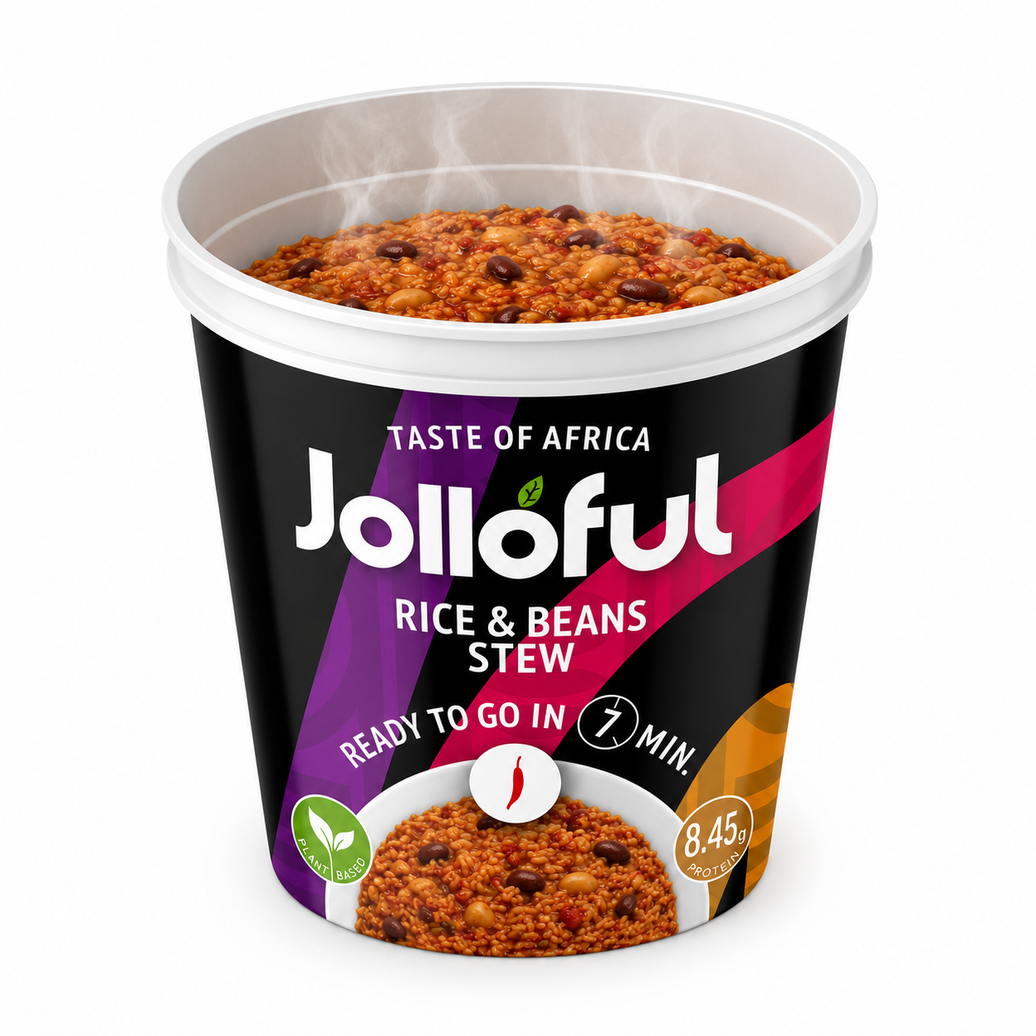
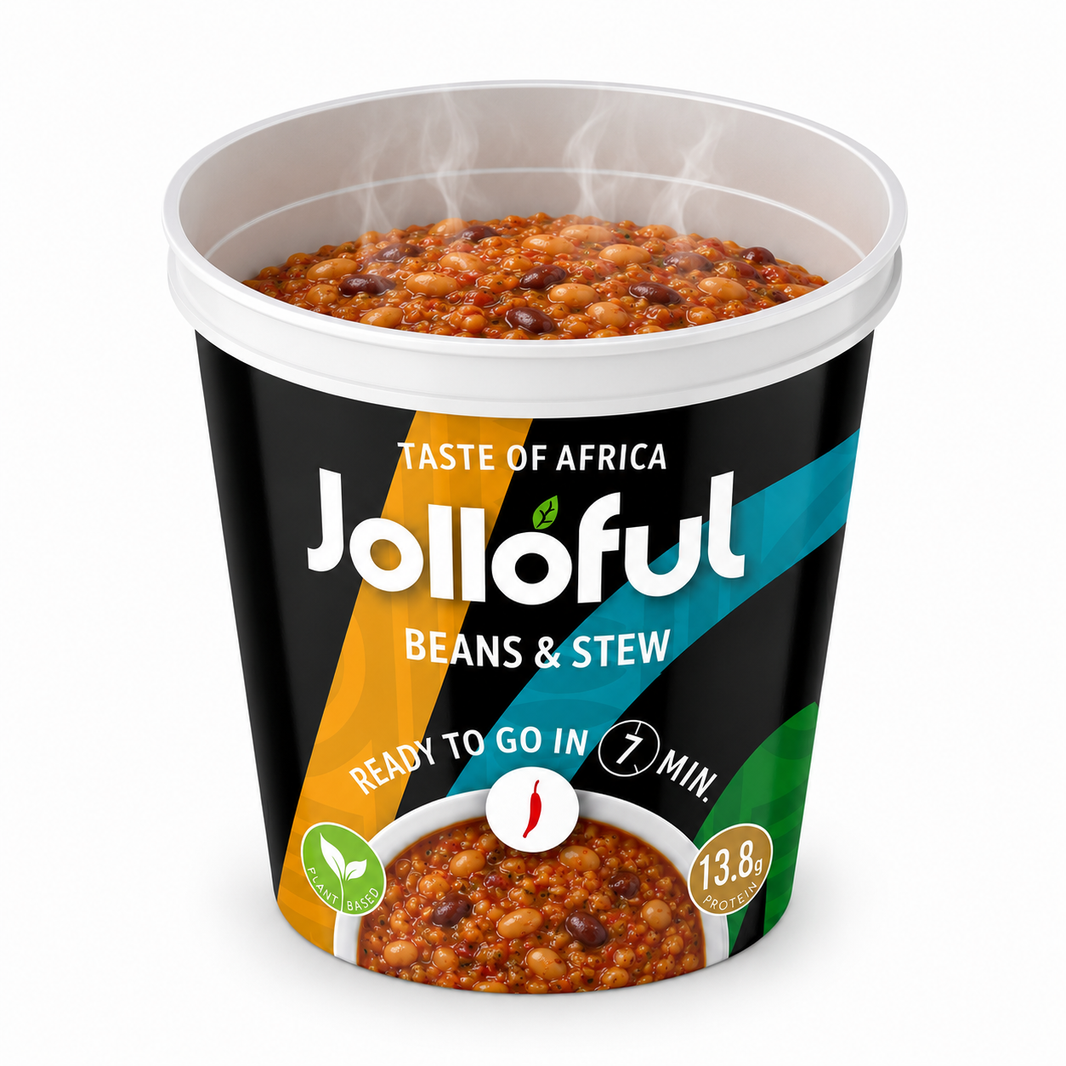
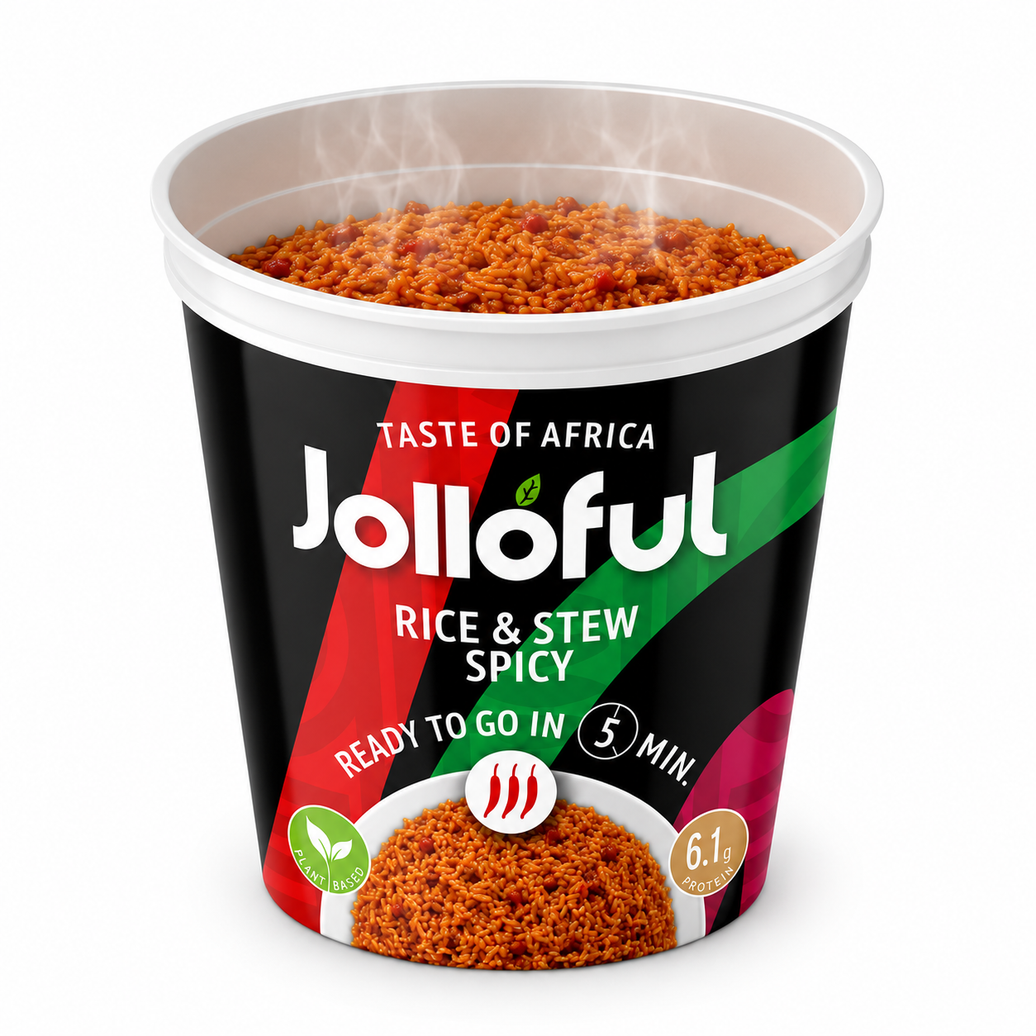
A cupboard meal used to mean compromise: bland flavour, a long ingredient list and the vague feeling that you had settled. That expectation is being challenged. The future of African convenience food is not about making African cooking smaller, softer or more generic. It is about making proudly rooted flavours fit the way people actually live - between meetings, after the gym, at university, on a late train home or when dinner needs to happen quickly.
For busy households across the UK, Ireland, Germany and beyond, convenience is no longer a nice extra. It is part of the weekly food shop. The opportunity is to make that convenience taste like real food, carry cultural meaning and still feel worth eating.
Convenience is finally being held to a higher standard
For decades, the convenience aisle has largely sold speed at the expense of everything else. Many options are heavily processed, short on texture and designed around salt, sugar or sameness rather than a proper meal experience. They fill a gap, but they rarely bring much joy to the table.
Consumers are asking better questions now. What are the ingredients? Does this actually taste good? Will it keep me full? Is it made with care? And, increasingly, whose food story is being represented?
African cuisine is exceptionally well placed to answer that demand. Across the continent and its diaspora, food traditions are built on layered seasoning, pulses, grains, vegetables, slow-developed sauces and bold heat. Those qualities do not need to disappear simply because a meal is shelf-stable or ready in minutes. In fact, a well-made meal cup can introduce those flavours to someone who has never cooked African food before, without asking them to hunt for specialist ingredients or learn a new recipe on a Wednesday night.
That matters because accessibility changes who gets to enjoy a cuisine. A practical format can be an entry point, not a watered-down version of the real thing.
The future of African convenience food is flavour-first
The biggest shift will be in what convenience food is expected to deliver. Speed will remain essential, but speed alone is not enough. People want a meal with a point of view.
That means recipes should lead with recognisable ingredients and deep, balanced seasoning rather than artificial colour, unnecessary preservatives or vague flavourings. It means heat should have character, not simply shock value. It means a smoky tomato base, warming spices, beans, vegetables or grains should taste intentional from the first spoonful.
There is a clear difference between creating a product inspired by African flavours and building a meal that respects the food cultures behind it. The first may borrow a spice name for the front of a pack. The second understands that flavour comes from method, balance and memory. It is the difference customers can taste.
For diaspora shoppers, this is personal. A fast meal can offer a small but meaningful connection to home, especially when time, distance or city living makes cooking from scratch less frequent. For curious shoppers, it can remove the uncertainty that sometimes comes with trying an unfamiliar cuisine. No complicated preparation. No intimidating ingredient list. Just good food, ready when it is needed.
Shelf-stable does not have to mean second best
Shelf life is one of convenience food’s greatest strengths. A meal that can live in the cupboard helps people waste less, plan less rigidly and keep a satisfying option on hand for busy days. It is especially useful for students, office workers, parents and anyone whose schedule changes by the hour.
But shelf-stable products must earn trust. Shoppers have grown wary of packets that promise flavour while hiding behind long, unfamiliar ingredient lists. The future belongs to brands that are clear about what is inside and why it is there.
Clean labels are not a marketing decoration. They are proof that convenience can be thoughtfully made. Real ingredients, no artificial colour and no added preservatives give consumers a more confident choice, but only when the meal still delivers on texture and taste. A worthy cupboard staple has to do both.
There are trade-offs, of course. Freshly cooked food will always have a place, and no meal cup should pretend to replace a family feast prepared over hours. That is not the goal. The better question is whether a quick meal can be genuinely satisfying on its own terms. When the answer is yes, convenience becomes a useful part of real eating rather than a fallback.
African food is moving from specialist shelf to everyday choice
African food has long been loved in homes, restaurants and specialist shops. What is changing is its availability in everyday formats and everyday places. This is not a trend that needs permission from the mainstream. It is a long-overdue expansion of what the mainstream looks like.
As African food becomes easier to find, the responsibility to represent it well grows too. Packaging, recipe development and brand language all shape how a cuisine is understood. The strongest brands will avoid treating Africa as one flavour profile or one country as a shortcut for an entire continent. Pan-African food can be welcoming and accessible while still being specific, respectful and proud.
That balance is commercially smart as well as culturally necessary. Customers can spot a hollow claim. They want food made by people who understand the flavours, care about the details and are willing to say something more interesting than “exotic”.
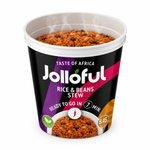
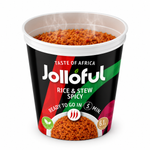
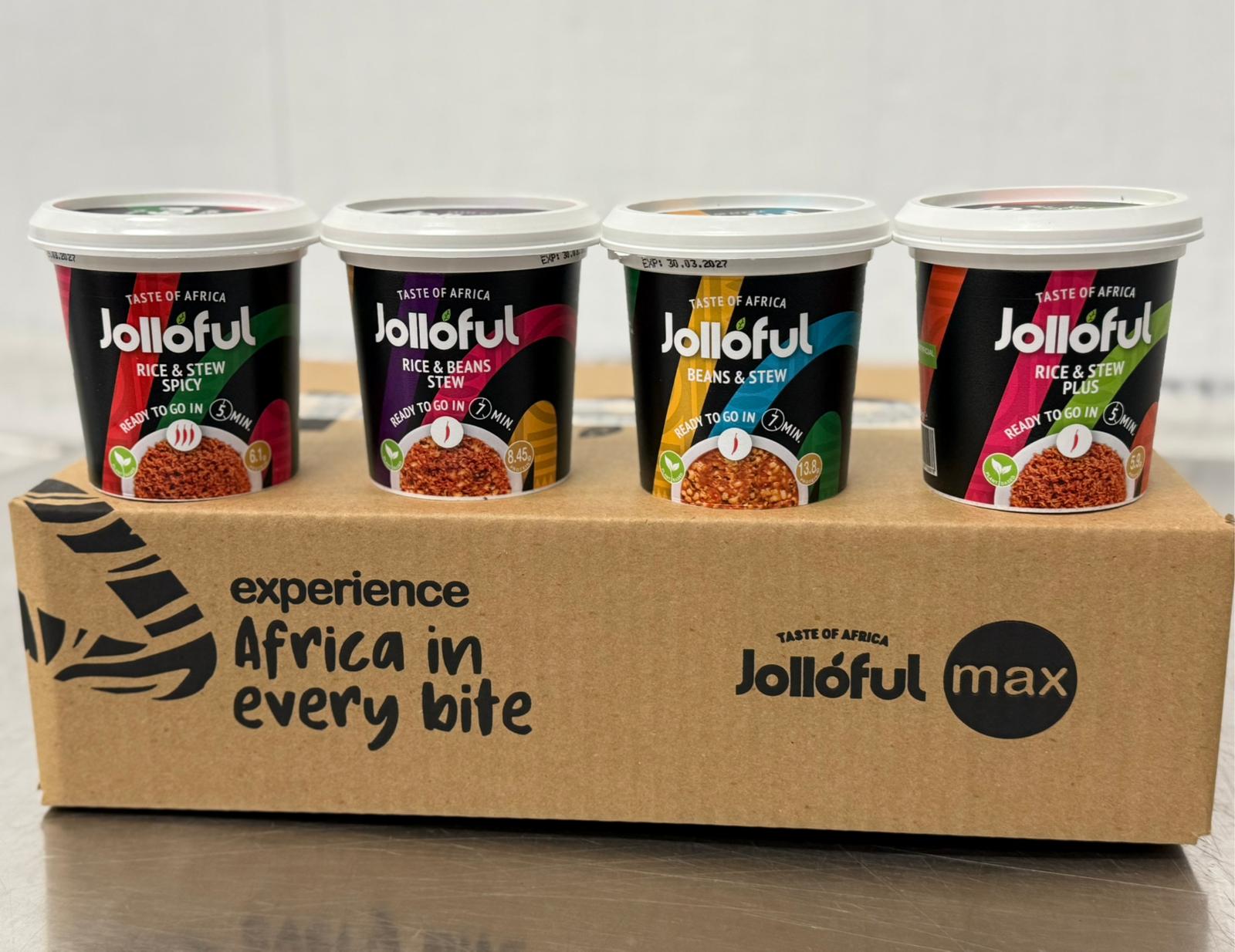
Jolloful is part of that shift: bringing shelf-stable African meals into fast modern routines without accepting the tired standards of the instant noodle aisle. Real food. Rooted in culture. Ready when life is moving quickly.
Better formats will make better habits possible
The next generation of African convenience food will not be limited to one type of shopper or one eating occasion. A five-to-seven-minute meal works as a desk lunch, a post-workout supper, a travel backup or a quick base for a more substantial plate. Add fresh herbs, avocado, roasted vegetables, a fried egg or grilled protein, and a simple meal becomes dinner without turning into a project.
Portion design will matter too. People want meals that feel filling but not heavy, portable but not flimsy, premium but still realistic for a regular shop. Variety packs can help households keep options on hand without eating the same flavour repeatedly. For first-time buyers, they also lower the barrier to discovery.
Sustainability will increasingly be part of the conversation. Long-lasting products can reduce food waste, particularly compared with fresh items that are bought with good intentions and forgotten at the back of the fridge. Yet shelf stability is not automatically sustainable. Packaging choices, sourcing, transport and portion size all matter. Brands should be honest about those tensions rather than making easy claims.
Culture cannot be an afterthought
There is a risk whenever a cuisine becomes more visible: its edges get smoothed away to suit the broadest possible audience. Heat is toned down, recipes are simplified beyond recognition and cultural context becomes a decorative pattern on the box. That may feel safer, but it creates forgettable food.
The better route is confidence. Let African flavours be bold. Explain them clearly. Give newcomers an easy way in without making long-time fans feel like their food has been translated beyond recognition. A meal does not need to be complicated to be culturally grounded.
That confidence also gives people permission to build their own rituals around convenience food. A quick lunch can still be nourishing. A cupboard meal can still carry memory. A five-minute dinner can still taste like someone cared.
The future is not about asking African food to fit old convenience standards. It is about raising those standards altogether. Keep a few meals you are genuinely excited to eat in the cupboard, and busy days stop deciding what good food looks like.


Hinterlasse einen Kommentar