
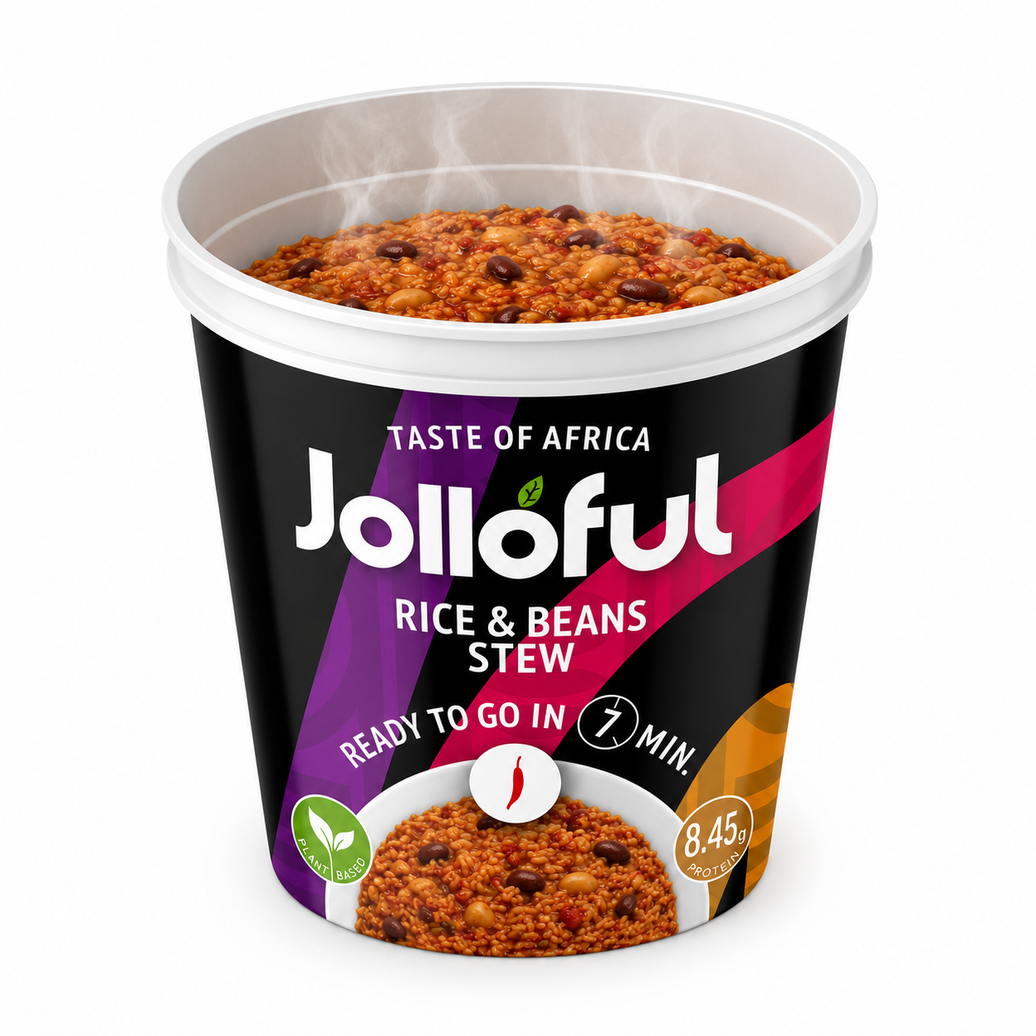
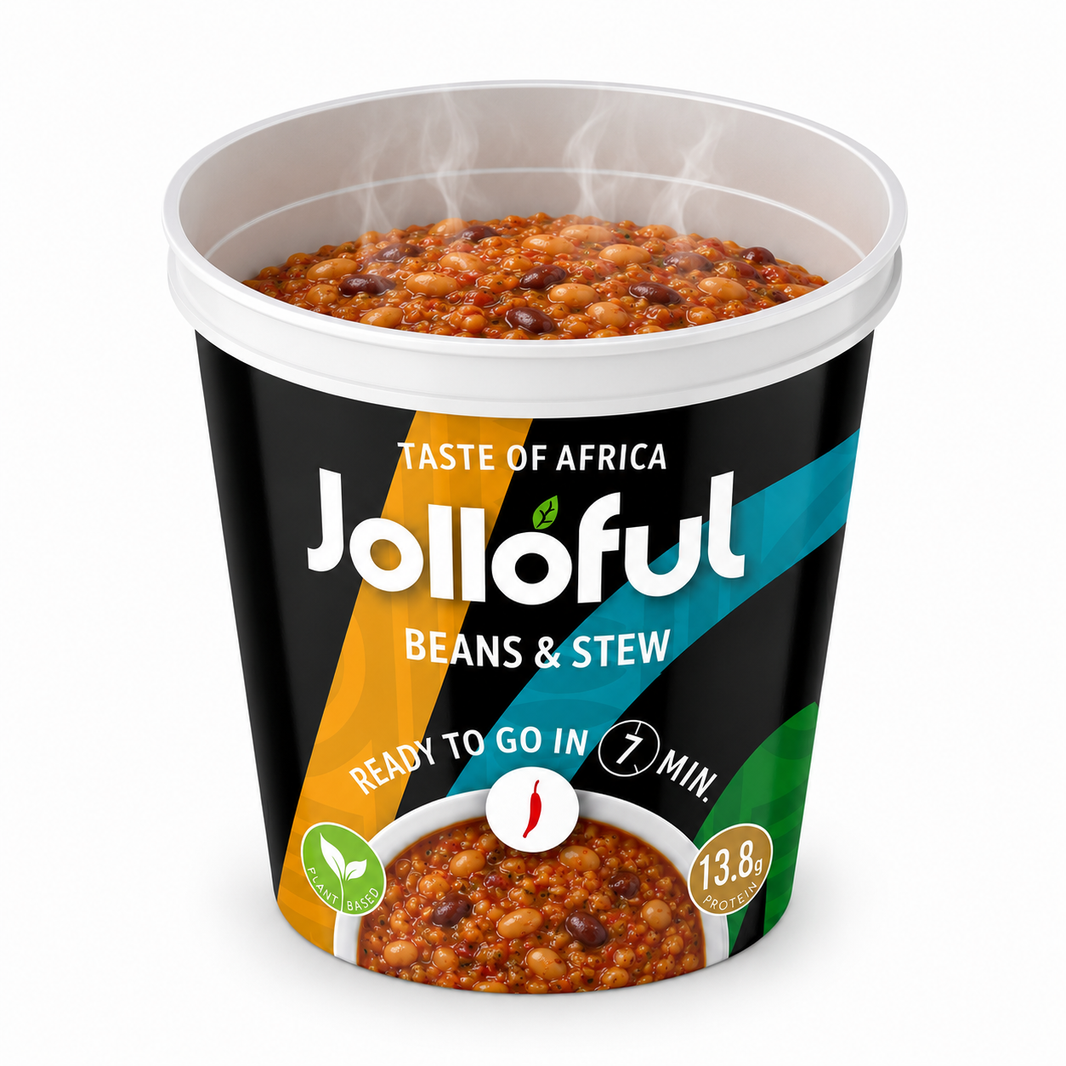
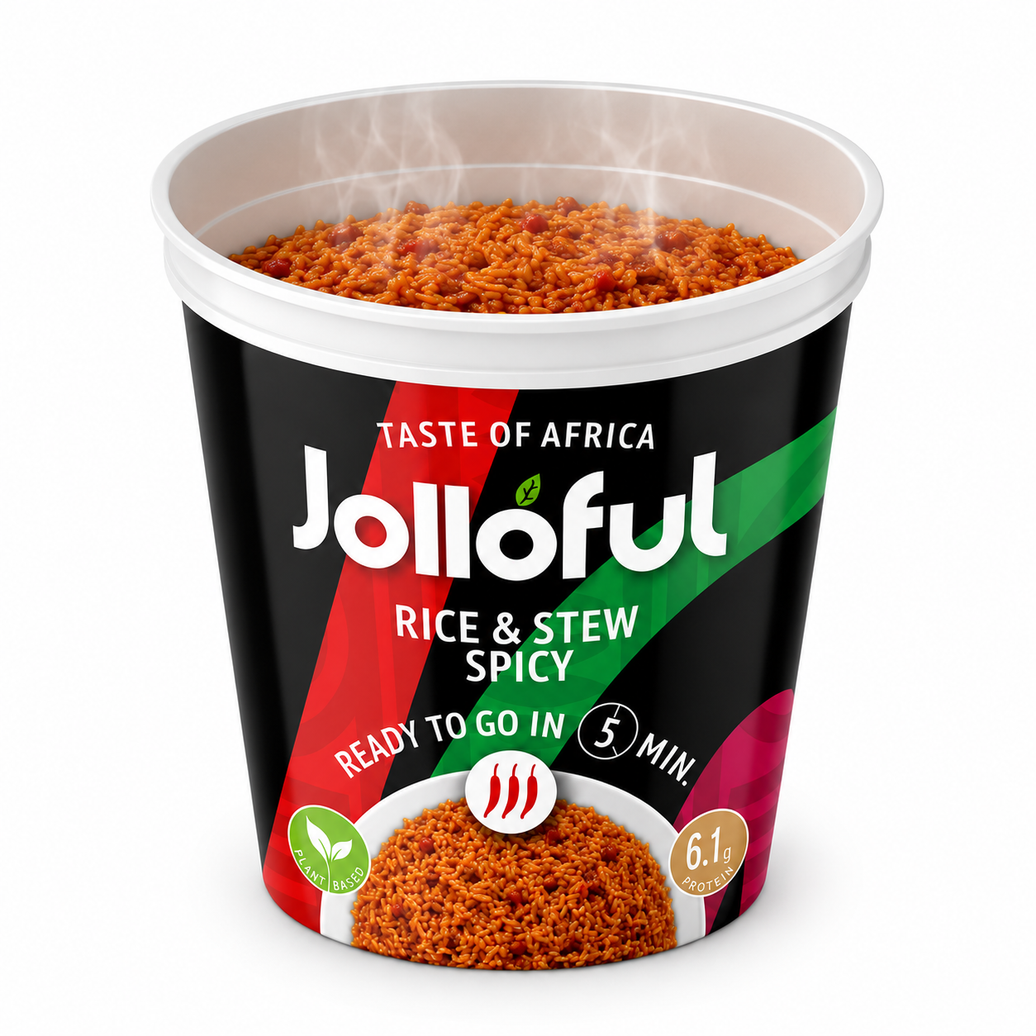

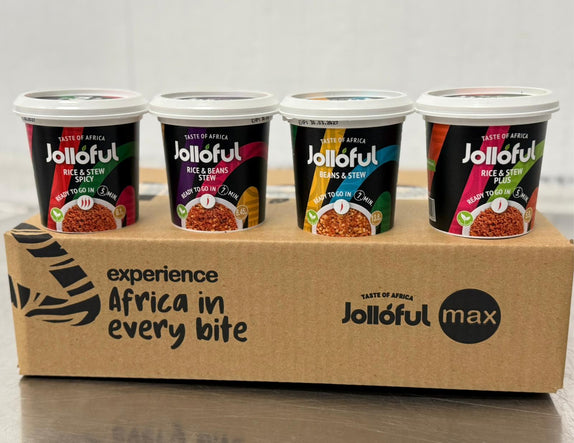
Order your 8-pack / 12 pack box today
A clean label should make a meal feel easier to trust, not harder to decode. When you are hungry between meetings, back from the gym, or feeding the family after a long day, you should not need a chemistry degree to understand what is in your food. You need flavour, speed and ingredients that feel recognisable.
That is why clean label has become more than packaging language. It is a pushback against the idea that convenience must come with artificial colours, unnecessary preservatives and a list of ingredients that reads like a laboratory inventory. For people who want quick food with real character, that shift matters.
What clean label means - and what it does not
There is no single legal definition of clean label. Different brands use the phrase differently, and that means the front of the pack is only the beginning. In practice, a clean label usually points to food made with straightforward, recognisable ingredients and without certain additives that shoppers prefer to avoid, such as artificial colours or added preservatives.
The best clean label products do not hide behind vague promises. They show you what is doing the work: grains, vegetables, herbs, spices, pulses, oils and seasonings with a clear culinary purpose. A rich flavour should come from properly built seasoning, not from pretending that less flavour is somehow more virtuous.
Clean label also does not automatically mean organic, low-calorie, low-salt, allergen-free or suitable for every diet. A meal can have a short, familiar ingredient list and still be high in salt or contain an allergen. Equally, an ingredient with a technical-sounding name is not automatically bad. The useful question is simple: why is it there, and does the brand explain it clearly?
Why ingredient clarity matters in fast food
Convenience food has spent years teaching shoppers to expect compromise. Fast often meant bland. Shelf-stable often meant overly processed. Bold flavour often meant artificial shortcuts. That old equation deserves to be challenged.
Ingredient clarity gives you more control over what you bring into your kitchen cupboard. It helps you compare products quickly, spot dietary needs and make choices that fit your routine. For many African diaspora households, it carries another kind of value too: familiar ingredients and real spice profiles can make a quick meal feel connected to home rather than like a watered-down imitation.
For first-time explorers of African cuisine, clear labelling lowers the barrier to trying something new. You can see the ingredients, understand the preparation and enjoy a proper introduction to vibrant regional flavours without needing to hunt down a dozen specialist items after work.
That is not about making African food less distinctive for a mainstream audience. It is about making access easier while keeping the flavour and cultural confidence intact. Real food can be practical. Food rooted in culture can still fit a packed Tuesday.
A short ingredient list is not the whole story
It is tempting to judge a product by the length of its ingredient list alone. Sometimes that is helpful, but it is not a complete test. A seasoning blend may contain several spices, herbs and natural flavour-building ingredients. That is not a red flag. It may be exactly why the food tastes layered, warming and satisfying.
Instead, read the list with context. Look for ingredients you recognise, but allow room for culinary complexity. Think about what the meal is designed to do. A plain oat pot can be very simple. A spiced West African-inspired meal needs more going on - aromatics, chilli, herbs, grains, pulses and seasoning all have a role.
The better signal is whether the ingredients feel intentional. Are they there to create taste, texture and nourishment? Or are they mainly there to imitate food, disguise poor-quality inputs or stretch the product beyond recognition?
Shelf-stable does not have to mean second-rate
A long shelf life can sound suspicious if you have only experienced heavily processed snacks. But shelf stability is not automatically a sign of low quality. Drying, careful packaging and low-moisture formats have long helped food travel, store well and stay ready when fresh ingredients are not practical.
For busy households, students and people who travel often, that practicality is genuinely valuable. A cupboard meal does not wait for you to rush to the shops. It is there when your fridge is bare, when work runs late or when you want something more exciting than another beige freezer meal.
The trade-off is that shelf-stable food will not behave exactly like a meal made from scratch on the hob. Texture, preparation time and portion size all matter. A good product is honest about those realities while delivering something worth eating: satisfying flavour, clear ingredients and a method that gets you from cupboard to meal in minutes.
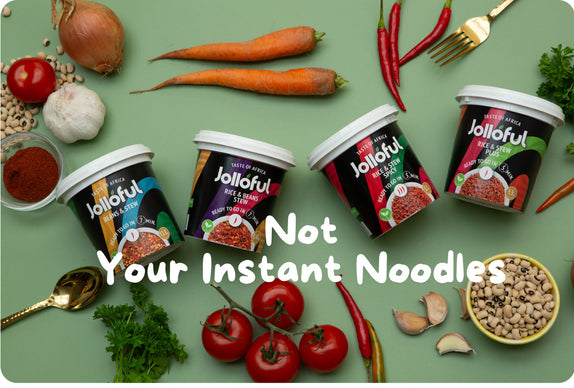
That is the standard Jolloful is built around: authentic African-inspired flavour, practical preparation and no need to settle for the usual instant-food formula. Hot water, a few minutes, and food that brings heat, depth and a sense of place to the table.
How to read a clean label with confidence
Start with the ingredient list, not just the claim on the front. You do not need to scrutinise every word with suspicion. Read it as you would a recipe. Can you identify the main ingredients? Do the spices, vegetables and grains sound like they belong in the dish? Is the product open about allergens?
Then check the nutrition panel for the details that matter to you. If you are watching salt, sugar, saturated fat or protein, the clean label claim cannot answer those questions by itself. Compare like for like, especially with meal pots and quick lunches where portions can vary more than you expect.
Finally, consider the job the food needs to do. A quick lunch before a train journey, an emergency dinner and a post-workout meal are not the same occasion. You might want a lighter option sometimes and something more filling at others. Good food choices are not about chasing perfection. They are about finding options that work for your life without asking you to abandon taste or standards.
The bigger shift: convenience with standards
Clean label is part of a wider change in what people expect from packaged food. Shoppers are less willing to accept vague claims and more interested in what sits behind them. They want food that fits modern routines but still reflects care, craft and cultural honesty.
For African food, this is an exciting moment. The category does not need to borrow bland convenience conventions to earn a place in everyday cupboards. It can lead with the things that make it memorable: proper spice, generous flavour, ingredients with purpose and recipes that carry heritage forward.
A clean label should never be a substitute for deliciousness. Nor should flavour be used as an excuse for poor transparency. The best quick meals deliver both. They tell you what is inside, respect the culture behind the food and make your busiest days taste far better.
Next time you reach for a fast meal, read beyond the bold claim. Choose the one whose ingredients, flavour and purpose all make sense together. Your cupboard can be convenient and full of life.



Hinterlasse einen Kommentar