
Ask ten Africans what counts as authentic food and you will get ten confident answers, often with a friendly argument thrown in. That is exactly why the question matters. What is authentic African food? It is not one flavour, one spice mix, or one viral dish on social media. It is a huge, living collection of cuisines shaped by region, trade, climate, faith, migration, memory and daily life.
The first thing to clear up is the word African. Africa is not a single kitchen. It is a continent of more than 50 countries, thousands of ethnic groups and countless cooking traditions. So when people ask what authentic African food is, the better question is usually which African food, from where, and made by whom.
What is authentic African food, really?
Authentic African food is food that stays rooted in the ingredients, techniques, flavour logic and eating culture of specific African communities. That does not mean it must be frozen in time. It does mean it should respect where the dish comes from.
A bowl of jollof rice, for example, is authentic not because it fits somebody else’s stereotype of “ethnic food”, but because it reflects a real West African cooking tradition with recognised ingredients, methods and regional variations. The same goes for Ethiopian injera, Senegalese thieboudienne, Ghanaian waakye, Nigerian egusi soup, Moroccan tagine, Kenyan pilau or South African chakalaka. Different places, different histories, different rules.
Authenticity also is not the same as luxury or complexity. Some of the most authentic meals are everyday foods - stews simmered with tomatoes and onions, rice dishes layered with spice, porridges, bean dishes, grilled meats, leafy greens, fermented batters and one-pot meals built for family tables. Real food. Rooted in culture.
Why the idea of “African food” gets simplified
In many Western markets, African cuisine is still treated as a novelty category. It gets reduced to a few clichés: very spicy, meat-heavy, rustic, or hard to define. That flattening misses the point.
African cuisines are incredibly sophisticated. They balance heat, acidity, smoke, sweetness, fermentation, texture and aroma with real precision. Some dishes are bold and fiery. Others are subtle, earthy or gently spiced. Some are built around grains and pulses. Others centre seafood, vegetables or slow-cooked meat. It depends on the region, the season and the home cook.
The simplification also happens because packaged food has trained many shoppers to expect convenience first and culture second. That is where a lot of products get African food wrong. They borrow the label, mute the flavour, overprocess the ingredients and strip away what made the dish distinctive in the first place.
Authenticity is about more than ingredients
Ingredients matter, but authenticity does not live in a shopping list alone. It also lives in technique, proportion and intention.
Take a West African tomato base. On paper, it can look simple: tomato, pepper, onion, oil, seasoning. In practice, the difference between a flat sauce and a proper one often comes down to how long it is cooked, how the aromatics are layered, how the pepper is handled and whether the final flavour lands with depth instead of just heat.
The same is true across the continent. Fermentation in East Africa and the Horn is not a side detail. It is foundational to flavour and texture. North African spice use is not about making food “exotic”. It is about balancing warmth, fragrance and savoury depth. Southern African food traditions often show the same kind of clarity - strong staples, strong seasoning, strong communal identity.
So if a product or restaurant claims authenticity, the test is not whether it looks vaguely African. The test is whether it tastes like a dish with a real cultural backbone.
Regional examples of authentic African food
West Africa is known for deeply savoury, boldly seasoned cooking. Jollof rice, groundnut stew, egusi, suya, waakye and moi moi all show how layered flavour can come from familiar ingredients handled properly. Rice, beans, cassava, yam, pepper, onion, tomato, ginger and palm-based ingredients often play major roles, but the combinations vary widely.
East African cuisines bring their own signatures. You will find dishes built around lentils, rice, chapati, coconut, cardamom, cloves and slow-cooked meat, alongside fresh relishes and fragrant stews. On the coast, there is clear influence from Indian Ocean trade, with spice-forward dishes that are rich without being heavy.
In the Horn of Africa, injera with stews such as doro wat or misir wat reflects one of the continent’s most distinctive culinary systems. Fermented breads, spice blends like berbere and communal eating styles all matter as much as the core ingredients themselves.
North African cuisines often feature couscous, preserved lemon, olives, pulses and aromatic spice blends. These foods are unmistakably African, even when global conversations wrongly separate North Africa from the rest of the continent’s food story.
Southern and Central African cuisines add yet more range, from maize-based staples and grilled meats to leafy greens, peanut stews and freshwater fish preparations. Again, there is no single master template.
Can modern convenience still be authentic?
Yes - but only if convenience does not erase character.
That is an important distinction for busy people in the UK, Ireland or Germany who want dinner in minutes but do not want another bland pot of noodles pretending to be a meal. Shelf-stable African food can be authentic if it keeps the dish’s flavour profile, uses credible ingredients and respects the original inspiration rather than watering it down for mass appeal.
Not every traditional dish translates perfectly into a quick format. Some foods rely on fresh finishing, long fermentation or textures that are hard to preserve. So there are trade-offs. But speed alone does not make a meal fake, just as homemade does not automatically make it authentic. A rushed home version can miss the mark. A well-made modern version can still honour the original dish.
That is where standards matter. Real ingredients. Clean labels. No artificial colour. No added preservatives if they are not needed. Strong flavour without gimmicks. If convenience is built with care, authenticity can travel.
How to tell if African food is actually authentic
Start with whether the food names a real dish or tradition instead of hiding behind vague labels like “African-style”. Specificity usually signals respect.
Then look at the flavour logic. Does it taste balanced and intentional, or just hot for the sake of it? Authentic African food is often bold, but bold is not random.
Next, consider ingredients and preparation. You do not need a museum-piece recipe, but the core structure should make sense. If a jollof-style meal has no proper tomato-pepper depth, or a peanut stew tastes like sweetened sauce, something has gone wrong.
Finally, ask whether the food feels connected to people who actually eat it. Authenticity is cultural, not cosmetic. Packaging can help tell that story, but the taste has to do the heavy lifting.
What authenticity does not mean
It does not mean every family cooks the same recipe. It does not mean innovation is banned. It does not mean food must be difficult, niche or only understood by insiders.
African cuisines have always evolved. New ingredients arrived through trade. Techniques travelled. Families adapted dishes to budget, religion, migration and local produce. A Ghanaian dish made in London may not look identical to one made in Accra, and both can still be authentic if the roots are intact.
That point matters for diaspora households especially. Authentic food is often the version that carries memory forward in the place where you live now. Sometimes that means substitutions. Sometimes it means shortcuts. The key question is whether the soul of the dish remains recognisable.
Why this question matters more than it seems
When people ask what is authentic African food, they are often asking something bigger. Can convenience still have integrity? Can packaged meals still carry culture? Can a fast lunch feel like more than fuel?
The answer should be yes. African food deserves the same respect given to any other global cuisine. It is not a trend and not a catch-all category. It is a set of serious culinary traditions that happen to fit modern life remarkably well when handled properly.
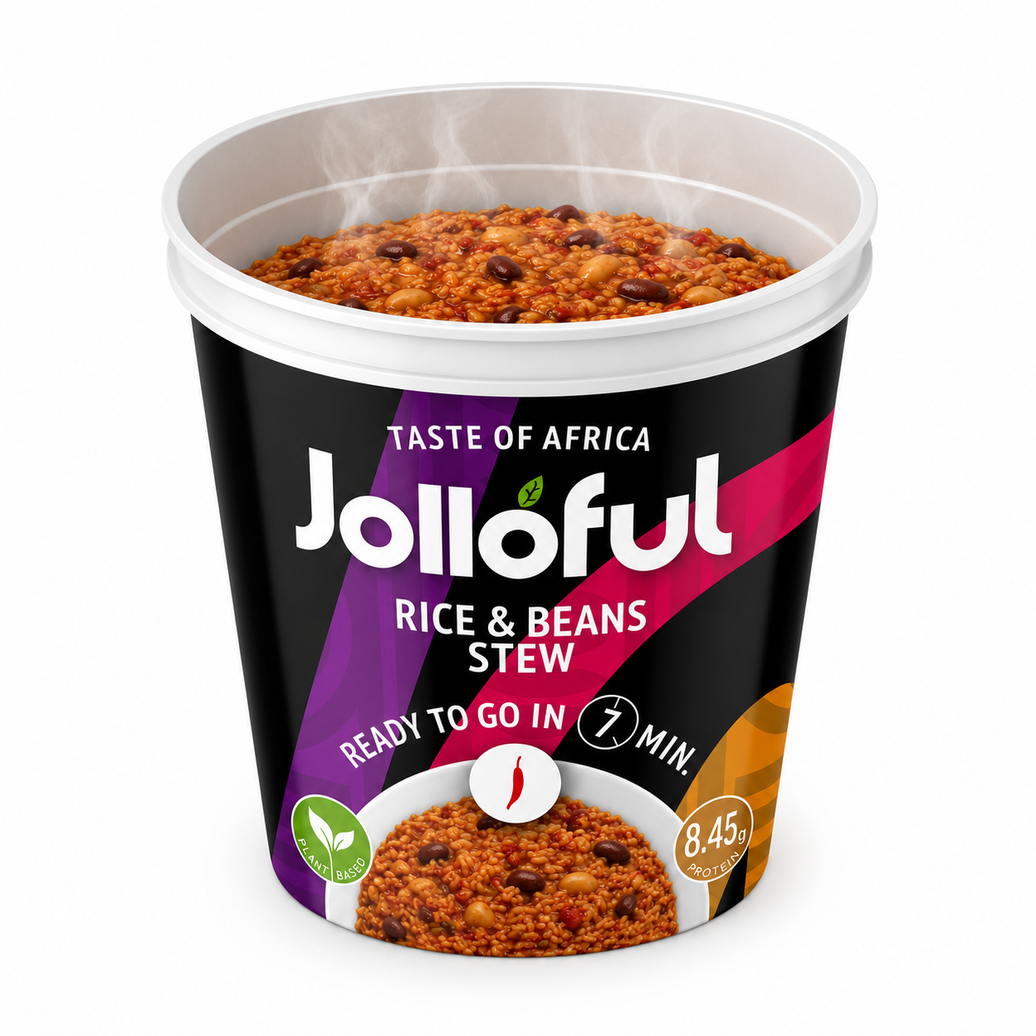
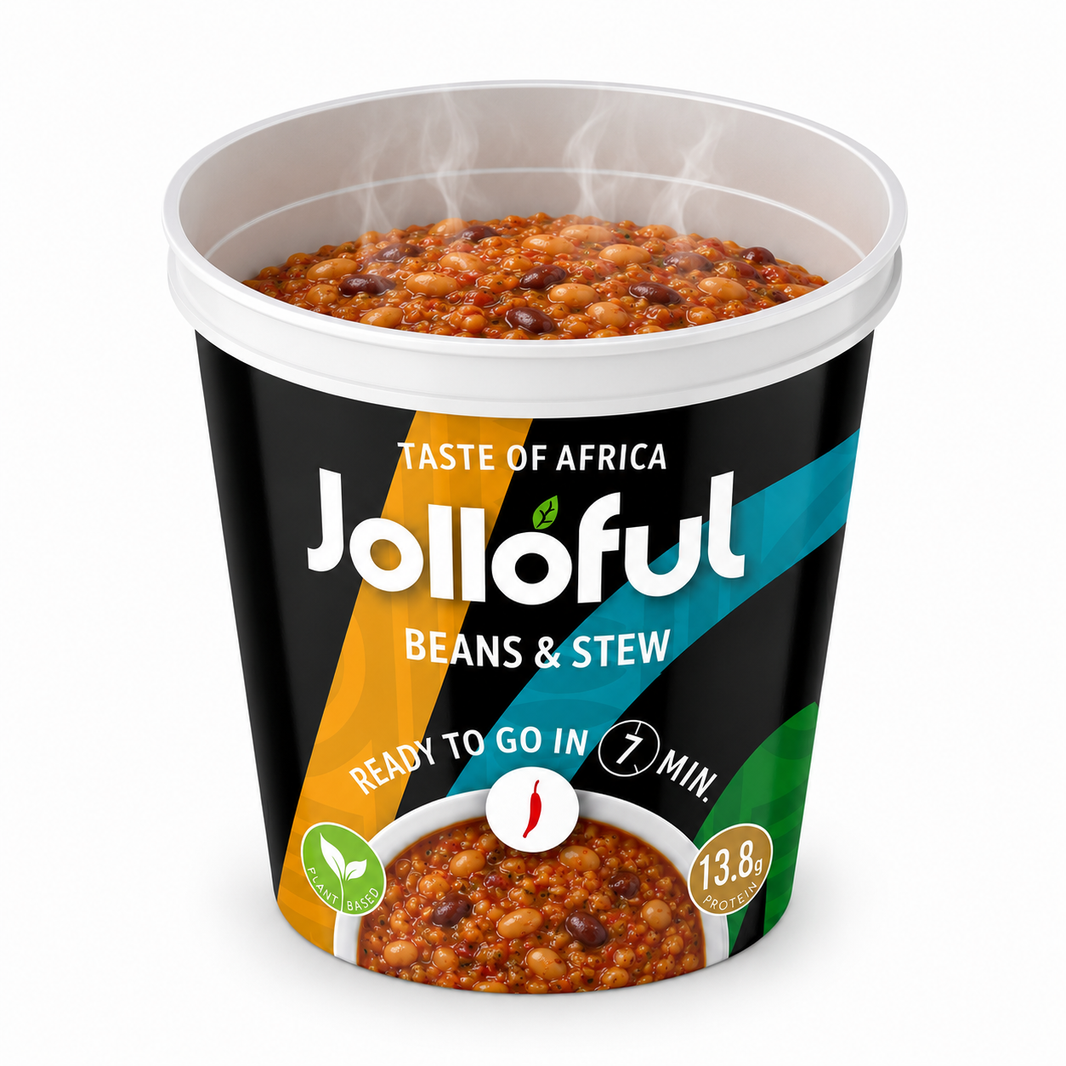
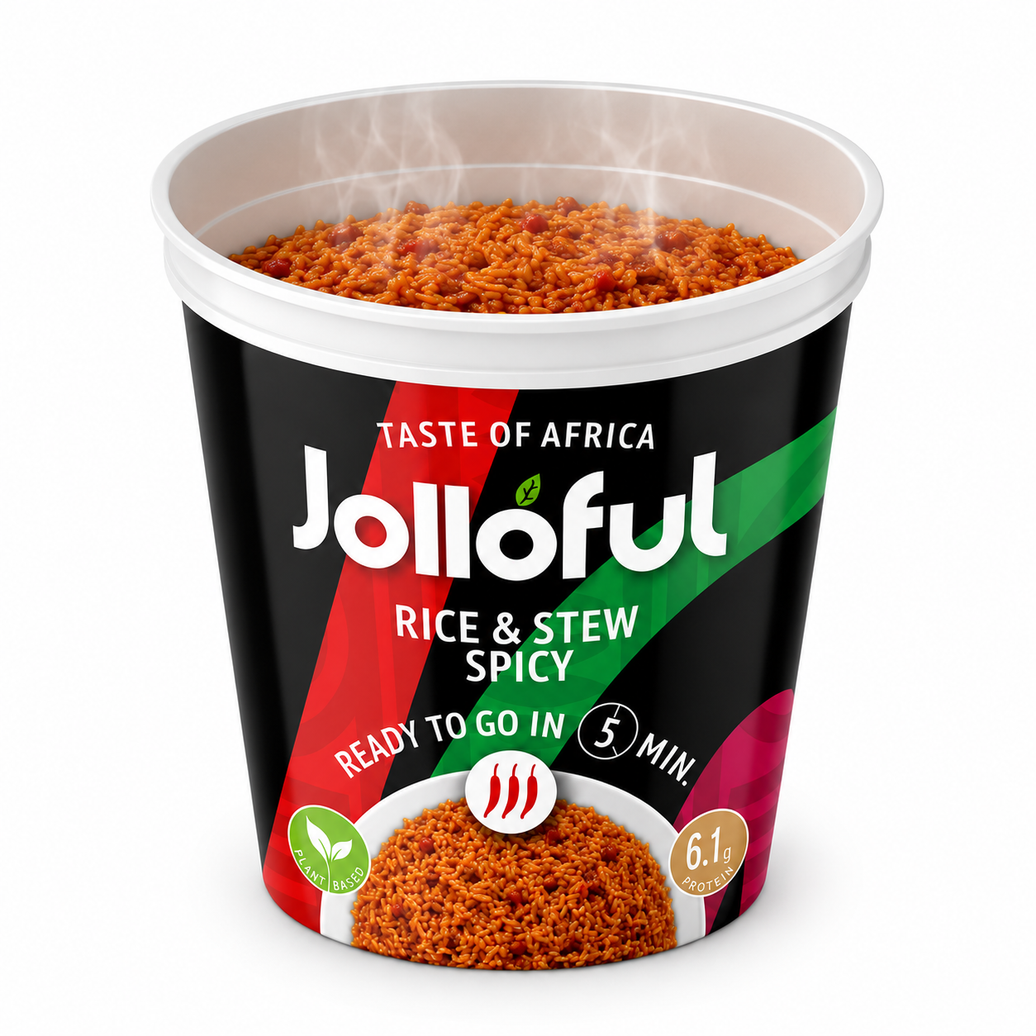
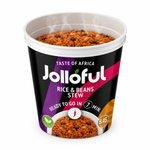
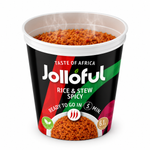
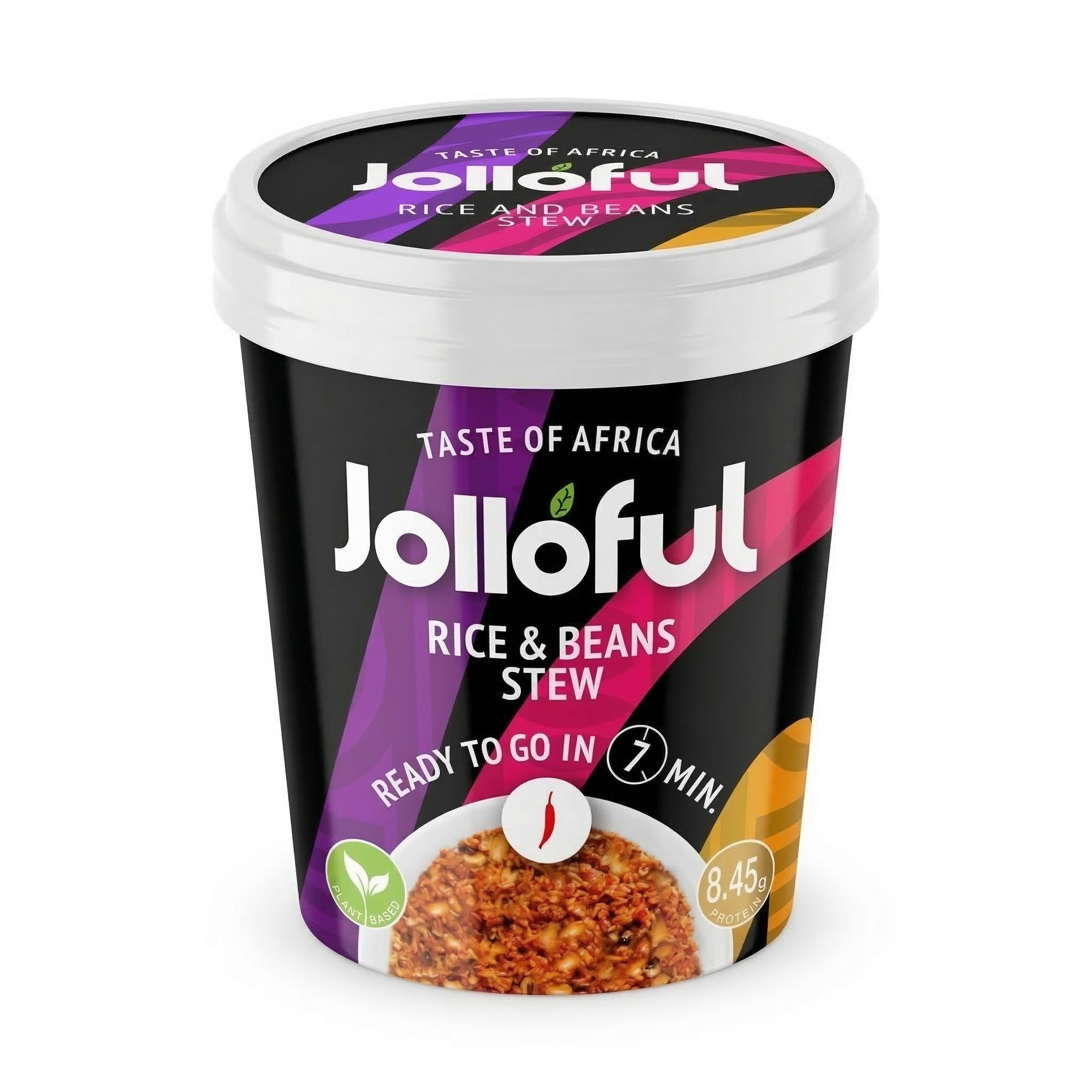
That is why brands like Jolloful matter when they get it right. They make African food easier to access without sanding off the flavour, pride or cultural meaning that made it worth eating in the first place.
If you are trying African food for the first time, start with a dish that has a clear regional identity and let the flavour speak for itself. If you grew up with it, trust your palate. Authenticity is not about performance. It is about whether the food feels honest, grounded and unmistakably from somewhere real.
TRY IT TODAY>>> https://jolloful.com


Hinterlasse einen Kommentar