Order your 8-pack / 12 pack box today
What if the best answer to what to pack for lunch at the office depends less on a perfect meal plan and more on the day ahead? Lunch for a short break, a shared fridge and a long afternoon may look very different from lunch on a relaxed day with a microwave nearby.
It’s easy to fall back on the same sandwich or buy something at the last minute. Choose food that travels well, suits your appetite and fits your office setup, without turning the morning into another chore.
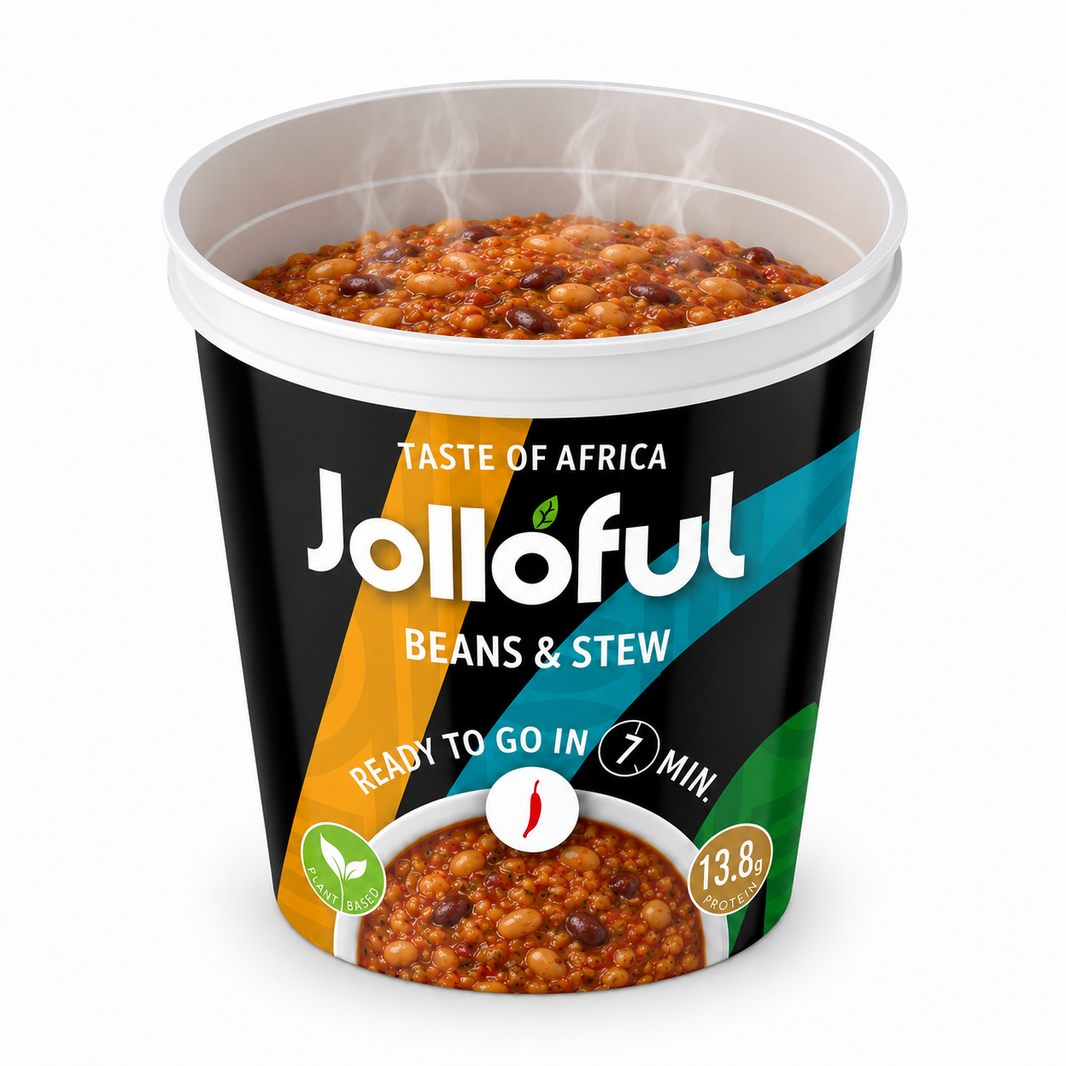
This practical checklist helps you match lunch to your schedule, plan for cold or limited storage, and remember the small essentials, from a fork to a leak-proof container. It also includes Jolloful’s plant-based West African meals, with rice, beans and stew flavours. Add hot water and stir for a meal ready in 5-7 minutes. The meals are shelf-stable for up to 12 months and are a whole meal, not a snack. They’re a convenient option for office routines in Germany and the United Kingdom.
What to Pack for Office Lunch: Start With Your Workday
Choosing lunch can feel like one more decision before you leave home. It doesn’t need to become a strict meal plan. Start with a few practical questions, then pick an option that fits the day ahead.
How long is your break? How hungry do you expect to be? How long is your commute? Will the food need refrigeration? These details help you decide what to pack for lunch at the office without expecting yourself to make the same choice every day.
The best office lunch fits your schedule, storage and appetite. It might be homemade, assembled at work or a convenient meal. Choose something you can bring and enjoy with the time and facilities you have.
Match lunch to your schedule and appetite
Look at your calendar before choosing a meal. A short break between meetings may leave little time to queue for a microwave or assemble several ingredients. A longer pause may give you room to sit down and enjoy a more substantial lunch. Your appetite can vary, too, so it’s fine to choose different options on different days.
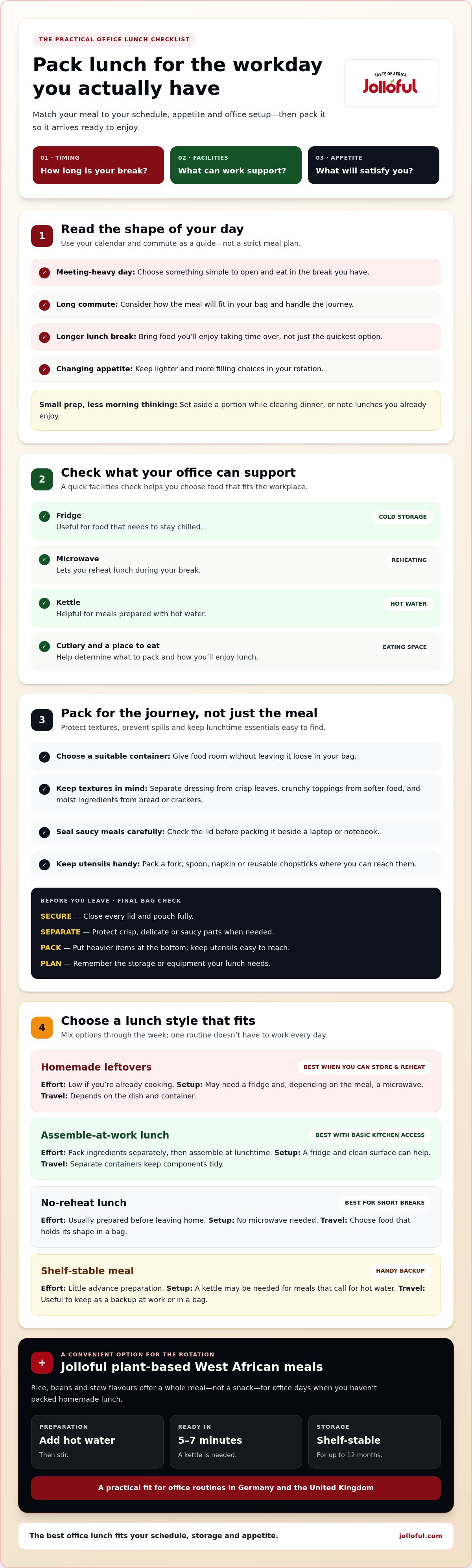
Use the shape of your day as a guide:
- Meeting-heavy day: Pick something simple to open and eat during the break you have.
- Long commute: Consider how the meal will fit in your bag and handle the journey.
- Longer lunch break: Bring food you’ll enjoy taking time over, rather than choosing only for speed.
- Changing appetite: Keep lighter and more filling choices in your rotation.
A little advance planning can reduce morning decisions. Set aside a portion while clearing dinner, or make a short note of lunches you already enjoy. That’s one simple approach to meal preparation, without committing to a full week of batch cooking.
Check what your office can support
Workplaces differ, so take stock of what’s available before deciding what to bring. Is there a fridge, microwave or kettle? Can you use cutlery, and is there somewhere to sit and eat? If equipment or space is limited, portable food that needs little preparation may be more convenient.
- Fridge: Useful for food that needs to stay chilled.
- Microwave: Lets you reheat lunch during your break.
- Kettle: Helpful for meals prepared with hot water.
- Cutlery and a place to eat: Help you decide what to pack and how you’ll enjoy lunch.
Let these details shape your plan. If there’s no suitable place to store or prepare lunch, choose food that works with the facilities you do have. A quick check before you pack can prevent an inconvenient surprise at lunchtime.
How to Pack an Office Lunch That Travels Well
A lunch can be delicious at home and disappointing after a bumpy commute. Pack with the journey in mind: decide what can travel together, protect anything delicate, and keep the parts you’ll use at lunchtime easy to reach. Thoughtful packing makes unpacking simpler.
A useful lunch container protects the meal and makes it easy to eat at work. Choose a shape that gives the food room without leaving it loose in your bag. For a layered salad, keep leaves above heavier ingredients. For a filled wrap, use a snug case so it stays together instead of getting pressed flat.
Choose containers for the food you are carrying
Think about texture as well as fit. A small, sealed pot keeps dressing apart from crisp leaves until lunch. Keep crunchy toppings in a separate pouch, and place moist ingredients away from bread or crackers. If you’re packing a saucy meal, make sure the lid is fully closed before putting it beside a laptop or notebook.
Pack utensils where you can find them quickly. A fork, spoon, napkin or reusable chopsticks can go in a small pouch, so they don’t get buried under the food. If you eat at a shared desk, a napkin also gives you a clean surface for setting down your cutlery.
Plan for storage and reheating
Decide what to do with lunch as soon as you arrive. Put food that needs chilling into the workplace fridge, and keep cold items separate from anything that could warm or crush them. If you plan to reheat a meal, choose a suitable container and leave enough time in your break for the shared kitchen.
For a lunch that needs hot water, check that a kettle is available and bring a spoon for stirring. The American Heart Association’s work-lunch ideas can also offer inspiration for meals that suit different routines.
Before leaving, do a quick bag check:
- Secure: Close each lid and pouch fully.
- Separate: Keep crisp, delicate or saucy parts apart when needed.
- Pack: Place heavier items at the bottom and utensils where they’re easy to reach.
- Plan: Remember any storage or equipment the meal needs at work.
For a convenient West African option to add to your work-lunch rotation, explore Jolloful’s meal collection.
Homemade, No-Reheat, or Ready-to-Eat: Compare Office Lunch Options
The easiest lunch choice depends on what you can prepare, carry and eat at work. Compare the options by the effort they require, then mix styles through the week. You don’t need to settle on one system for every office day.
Homemade leftovers
Preparation effort: low if you’re already cooking. Storage or equipment: may need a fridge and, depending on the meal, a microwave. Portability: varies with the dish and container. Best fit: a day when you can store and reheat your food comfortably.
Assemble-at-work lunch
Preparation effort: pack ingredients separately, then assemble them at lunchtime. Storage or equipment: a fridge and clean surface can help. Portability: works well for components that stay tidy in separate containers. Best fit: a day with access to basic kitchen facilities.
No-reheat lunch
Preparation effort: usually done before leaving home. Storage or equipment: depends on the food; no microwave is needed. Portability: choose items that hold their shape in a bag. Best fit: a short break or a workplace without reheating options.
Shelf-stable meal
Preparation effort: little advance preparation. Storage or equipment: a kettle may be needed if the meal calls for hot water. Portability: useful to keep as a backup at work or in a bag. Best fit: a day when you haven’t packed a homemade lunch.
When homemade or assembled lunches make sense
Leftovers are useful if you already cook at home and can set aside a portion in a suitable container. Choose a dish that still appeals the next day, and portion it before putting away dinner so it’s ready to grab.
Assemble-at-work lunches suit days when ingredients travel better separately. A grain bowl, filled wrap or bean salad are useful formats to consider. Pack components in separate containers, then combine them at lunchtime if your workplace has the space and tools you need.
When a shelf-stable meal can simplify the day
Some mornings don’t leave room to prepare lunch. Jolloful’s West African meals offer an alternative to packing leftovers. Add hot water and stir, then enjoy a meal ready in 5-7 minutes. The meals are shelf-stable for up to 12 months, making them practical to keep in your lunch rotation. They’re a whole meal, not a snack.
A flexible rotation might include leftovers after a home-cooked dinner, a no-reheat lunch for a meeting-heavy day, and an assembled meal when you have kitchen access. Keep the choices you enjoy and switch them around as your schedule changes. Variety can come from changing the format, not from finding a new recipe every day.
Office Lunch Packing Checklist: Keep the Routine Simple
A packed lunch is easier to manage when you don’t have to invent a new plan each morning. Choose a few options you like, then keep a short checklist by the door or in your notes app. It’s a flexible routine, not a rule that says you must cook ahead every week.
A short packing routine makes the office lunch decision easier to repeat. Use it to check the meal and the small essentials that help you enjoy it. What to pack for lunch at the office may change with your calendar, but the final check can stay much the same.
Before you leave, make sure you have:
- A main meal that suits your appetite and the time you have for lunch.
- A suitable container that closes securely and fits the food.
- Utensils and a napkin for eating comfortably at work.
- Separate components, such as dressing or toppings, packed apart if needed.
- A storage plan that fits the food and the facilities available at the office.
Use a simple evening-before or morning checklist
Pick your meal first, then check what it needs. Does it need a container, separate ingredients, a spoon or a way to stay chilled? Pack those items together in the evening if that suits your routine, or run through the list in the morning. Finish by considering the commute and whether you can store, assemble or heat the meal at work.
Build variety without creating extra work
Keep variety simple by rotating formats and flavours, rather than searching for a new recipe every day. You might alternate a filled wrap with leftovers, a cold lunch or a convenient meal. If you enjoy West African flavours, rice, beans and stew offer a satisfying direction for a work lunch.
Let the week guide the plan. A busy office day may call for something quick to pack, while a home-working day gives you more room to prepare lunch as you go. For a longer day, choose a meal that suits the break you expect to have. There’s no need to plan every meal in advance.
A backup option can help when meetings run late or your lunch plans change. Keep one choice that fits your routine and storage setup, whether that’s a shelf-stable meal or another practical alternative. It’s there for flexibility, not as another task to manage.
Keep the checklist short enough to use. Once it covers the meal, container, utensils and storage, you’re ready to go.
Bring More West African Flavour to Your Office Lunch
A lunch routine can be practical and still feel full of character. West African food brings familiar staples such as rice, beans and stew into the workday, offering a change from the same sandwich or salad. For anyone curious about a different food tradition, it’s a welcoming place to start: choose a meal that suits your break, then enjoy its comforting flavours at your own pace.
Jolloful’s meals are 100% plant-based, contain no artificial colour or added preservatives, and are free from artificial additives. They’re a whole meal, not a snack. Their familiar meal formats make them easy to consider alongside homemade lunches, especially on days when preparing food before work doesn’t fit the schedule.
Choose a flavour that suits your lunch break
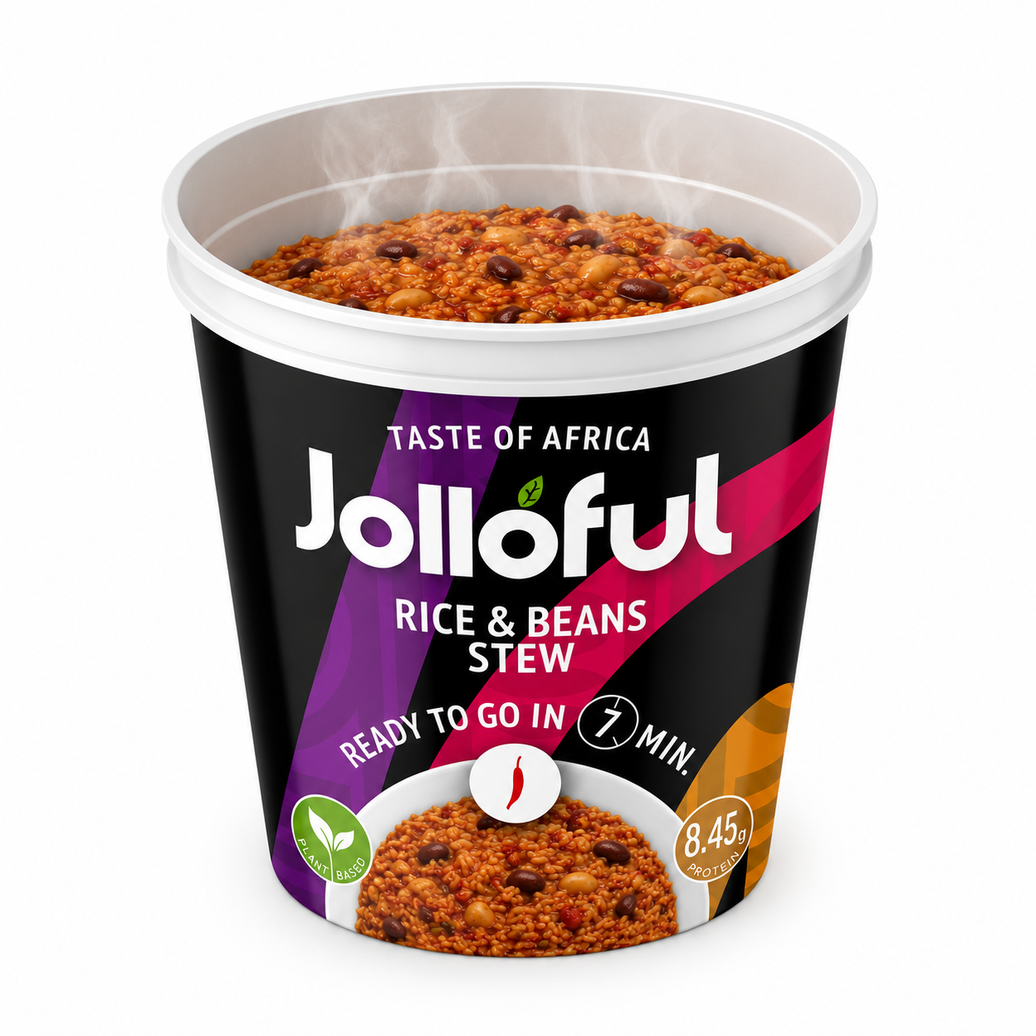
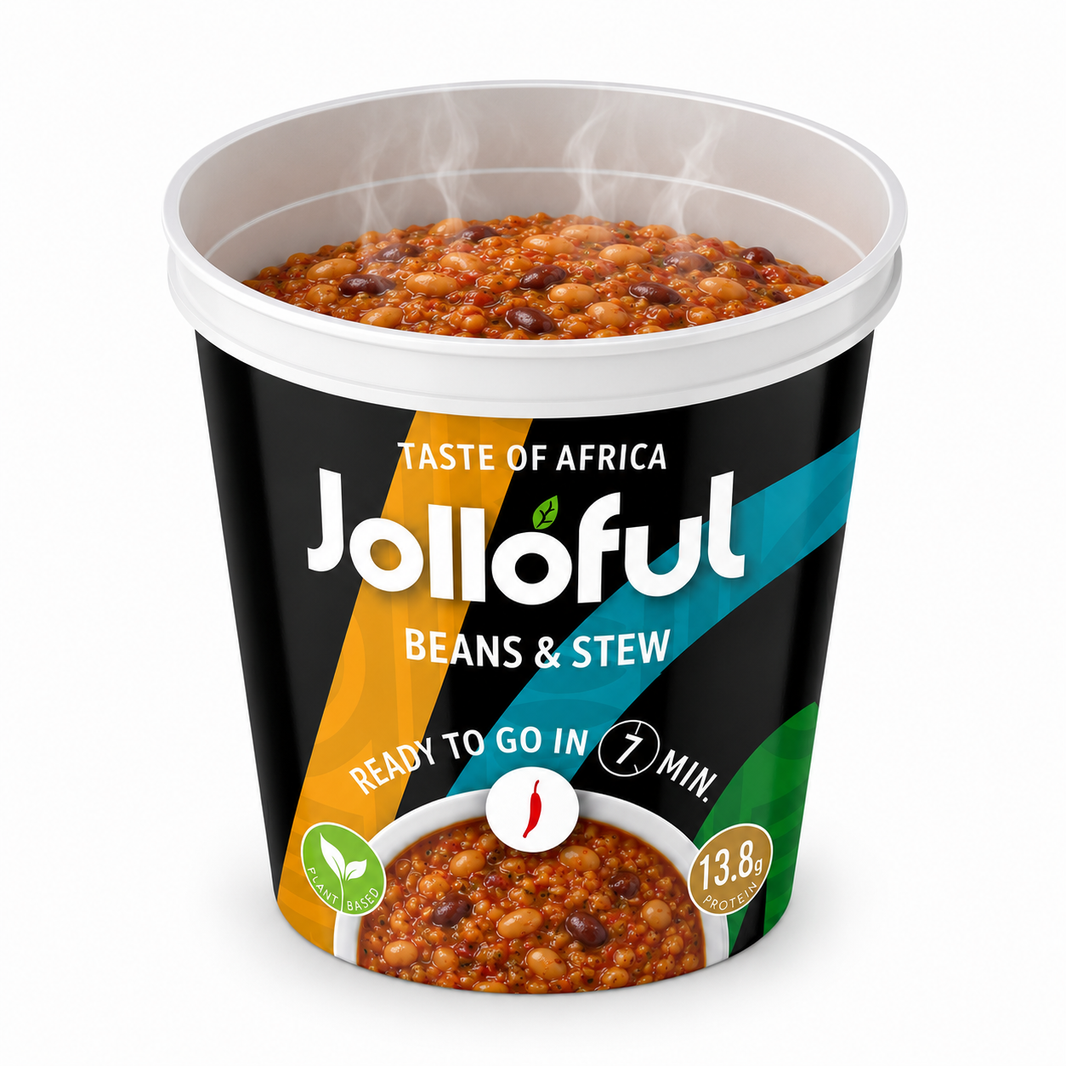
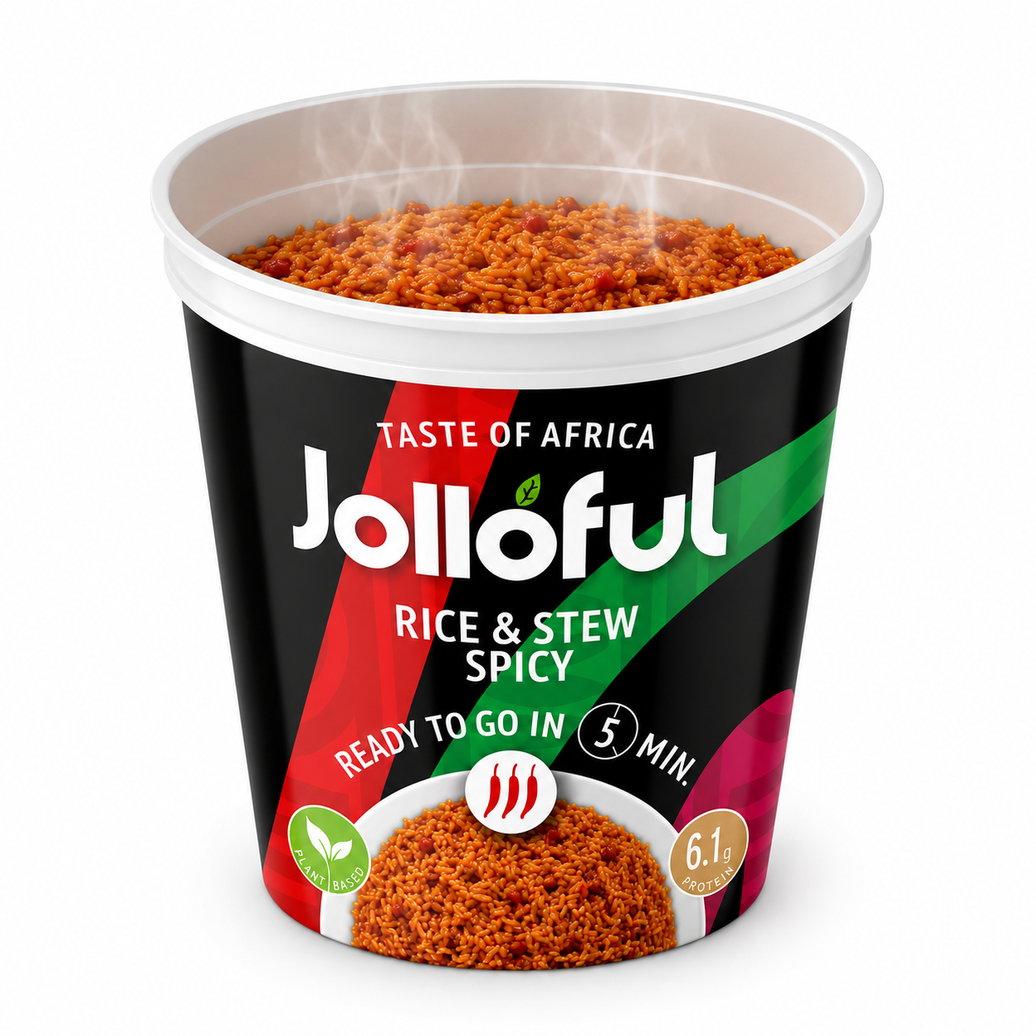
Jolloful offers four meal types: White Rice & Stew (Plus), White Rice & Stew (Spicy), White Rice & Beans Stew, and Beans & Stew. The range brings together rice, beans and stew combinations, including a spicy option. Pick the flavour that appeals, or keep several in rotation so lunch doesn’t feel identical every day.
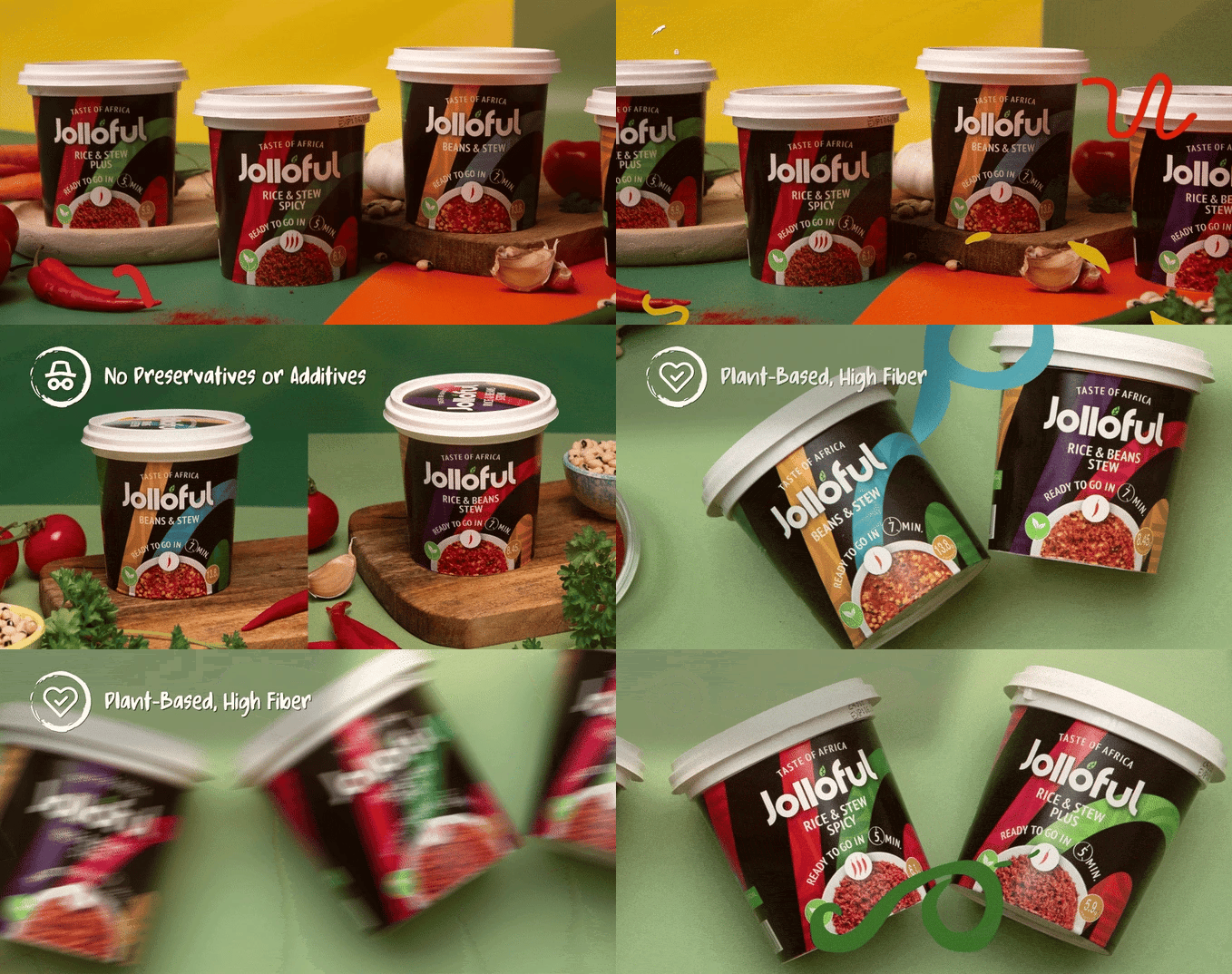
A variety pack brings more than one flavour into your work-lunch routine. The 12-meal variety pack includes four flavours, with three of each. It can suit someone who wants to alternate meals across office days or share the flavours at home before choosing favourites. There’s no need to plan an elaborate menu; having options on hand is a simple way to add variety.
Keep a convenient meal option in your lunch rotation
Some days leave little time to portion leftovers or assemble lunch. Jolloful meals are shelf-stable for up to 12 months. At lunchtime, add hot water and stir for a meal ready in 5-7 minutes. That makes them a practical option for days when bringing prepared food isn’t convenient. Follow the preparation directions on the product packaging.
Let the week set the rhythm. Pack a homemade lunch when it suits you, and keep a convenient option for a day when plans change. A West African meal can bring a welcome shift in flavour without asking you to build a new lunch routine from scratch.
Explore the Jolloful meal collection to find an option that fits your office-lunch routine in Germany or the United Kingdom.
Make Your Next Office Lunch Work for You
Use your next workweek to notice what makes lunch feel easy. Which days give you time to sit down? When do you need something ready with little fuss? A quick note in your calendar can help you spot a pattern and choose what to pack for lunch at the office based on the day, not habit.
Keep the routine flexible. If one lunch doesn’t travel well or suit your break, adjust it next time. A small change, such as packing a different format or keeping a backup option nearby, can make the week feel more manageable without adding a big planning task.
Good lunches don’t need to be complicated. Choose food you look forward to, make it fit your workday, and leave room to discover new flavours along the way.
Here’s to work lunches that feel practical, satisfying and a little more joyful.
Frequently Asked Questions
What is the easiest lunch to pack for work?
The easiest lunch is one that fits your commute, break and office setup. To decide what to pack for lunch at the office, consider a day with back-to-back meetings: portioned leftovers may be simpler than assembling several ingredients at your desk. Keep two or three formats you enjoy in mind, such as a filled wrap, leftovers or a convenient meal, and choose between them as your week takes shape.
What should I pack for lunch if my office has no microwave?
Pack something you’re happy to eat without reheating. A wrap or salad can work, as can another prepared meal that suits your taste and storage needs. If you have a short break between appointments, choose food you can open and eat without waiting for shared equipment. Check the food’s storage instructions, and consider whether you can use a workplace fridge before deciding what to bring.
How do I keep my office lunch from spilling in my bag?
Choose a container with a secure, well-fitting lid and a shape that suits the food. A small sealed pot can hold dressing or sauce separately, while a snug container can help keep a wrap from shifting. Place the lunch upright in your bag if possible, with heavier items packed around it rather than on top. Keep cutlery and napkins in a clean pouch, and follow the meal’s packaging and storage guidance.
Can I bring a shelf-stable meal to the office?
Yes, a shelf-stable meal can be a practical work lunch when it suits your routine. Jolloful meals are shelf-stable for up to 12 months and ready in 5-7 minutes with hot water and stirring. They’re 100% plant-based, contain no artificial colour or added preservatives, and are free from artificial additives. Follow the preparation directions on the product packaging.
What can I pack for lunch when I have little time in the morning?
Choose a lunch that needs little attention before you leave. You could portion leftovers while clearing dinner, or keep a reusable spoon and napkins in your work bag so they’re ready for the next office day. If you’d rather not prepare food in the morning, choose a convenient meal that matches your workplace setup. A short note of reliable choices can help you decide without planning every meal.
How can I make packed lunches less repetitive?
Change one part of lunch at a time. Rotate between formats, such as a grain-based meal one day and a wrap another, or explore flavours from a food tradition you don’t eat often. You can also keep a short list of favourites on your phone and choose based on the day’s schedule. That gives you options without requiring a fresh recipe or a full meal-prep plan every week.


Hinterlasse einen Kommentar