
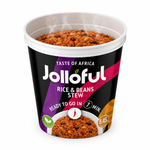
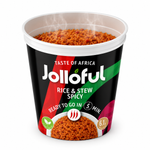

Order your 8-pack / 12 pack box today
A richly spiced bowl should leave you satisfied, not hunting through the cupboard an hour later. Learning how to add protein to African meals is less about changing the food you love and more about pairing it well. A spoonful of beans, a fried egg or a handful of roasted groundnuts can turn a fast meal into something that carries you through a packed workday, lecture or late journey home.
African food is not one flavour, one plate or one rulebook. From West African stews to East African grain dishes and North African-inspired sauces, every region has its own brilliant protein traditions. The best additions respect the dish in front of you: they bring texture, substance and flavour without flattening its character.
How to Add Protein to African Meals Without Losing Flavour
Protein does not need to be bland, dry or treated as an afterthought. The key is to choose a protein that belongs with the seasoning, sauce and texture already on the plate. A tomato-led, peppery meal can stand up to grilled chicken, black-eyed beans or sardines. A nutty or leafy sauce may call for fish, lentils, tofu or a boiled egg.
Start with the flavour profile, then decide how much time you really have. If dinner is happening in seven minutes, leftovers from Sunday cooking may not be the answer. Tinned fish, cooked pulses, eggs and pre-cooked chicken are practical choices because they need little preparation and still bring real nourishment.
For a more filling meal, aim to combine a carbohydrate base with a clear protein source and some vegetables. It is a simple formula, not a strict rule. Your needs will vary depending on your appetite, activity level and what else you have eaten that day.
Let beans and lentils do the heavy lifting
Beans are already central to many African kitchens, and for good reason. They are affordable, satisfying and made for bold seasonings. Black-eyed beans, kidney beans, butter beans and chickpeas work particularly well with pepper sauces, onions, garlic, ginger and warming spices.
For speed, use tinned beans, rinse them well and heat them in a small pan with onions, chilli and a little stock or water. Lentils are equally useful, especially pre-cooked pouches or canned lentils. They absorb flavour quickly, making them ideal when you need dinner to taste cooked rather than merely assembled.
If you are trying to eat more plant-based meals, beans and lentils offer an easy starting point. Pair them with grains, vegetables and a flavourful sauce, rather than expecting them to replace every element of a meat-based dish on their own.
Eggs are the weeknight hero
Eggs are one of the quickest ways to add protein to African meals. Fry one with crisp edges, scramble it with spring onions and chillies, or boil a batch ahead for the fridge. Their mild richness balances heat beautifully and makes a simple meal feel generous.
An egg is especially useful when you want a warm, complete meal without opening several packets. Add it at the end so the yolk, if you like it soft, can mingle with the sauce. It is a small move with a big payoff.
Use fish for fast flavour, not just protein
Tinned sardines, mackerel and tuna are cupboard staples worth taking seriously. They bring savoury depth as well as protein, particularly when warmed gently with onions, tomatoes, herbs and chilli. Smoked fish can be even more characterful, but use it with a lighter hand because it can be salty.
Fish is a smart choice for meals that already have a vibrant sauce or plenty of acidity. A squeeze of lemon, a little fresh pepper or sliced onions can brighten everything in minutes. For those who do not eat fish, crumbled tofu seasoned with smoked paprika, garlic and chilli can create a similarly savoury note.
Fast Protein Pairings for Busy Meals
Convenience should not mean settling for a flavourless beige dinner. Keep a few flexible protein options nearby and build around what your meal is asking for. These pairings work because they are fast, not because they demand a complicated new recipe.
- Grilled chicken strips bring a familiar, lean option to peppery rice, grain bowls and saucy dishes. Season simply with garlic, ginger, thyme and chilli so the main meal still leads.
- Spiced chickpeas are ideal for plant-based plates. Toss them in a pan with oil, curry powder, onion powder and a pinch of salt until hot and lightly crisp.
- Pan-fried tofu works best when pressed or patted dry first. Brown it properly, then add a little soy sauce, chilli and ginger for depth.
- Prawns cook in minutes and pair beautifully with tomato, coconut, pepper and herb-forward sauces. Buy them cooked for maximum speed, then warm rather than overcook.
- Groundnuts or peanut butter can make a meal more substantial when you need something quick. Sprinkle roasted groundnuts over a bowl or stir natural peanut butter into a warm sauce for a richer finish.
There is no need to load every meal with several proteins. One good portion is usually enough, especially when it is paired with fibre-rich beans, vegetables or whole grains. More is not always better if it makes the meal heavy or hides the flavours you were looking forward to.
Make a Shelf-Stable Meal Feel More Complete
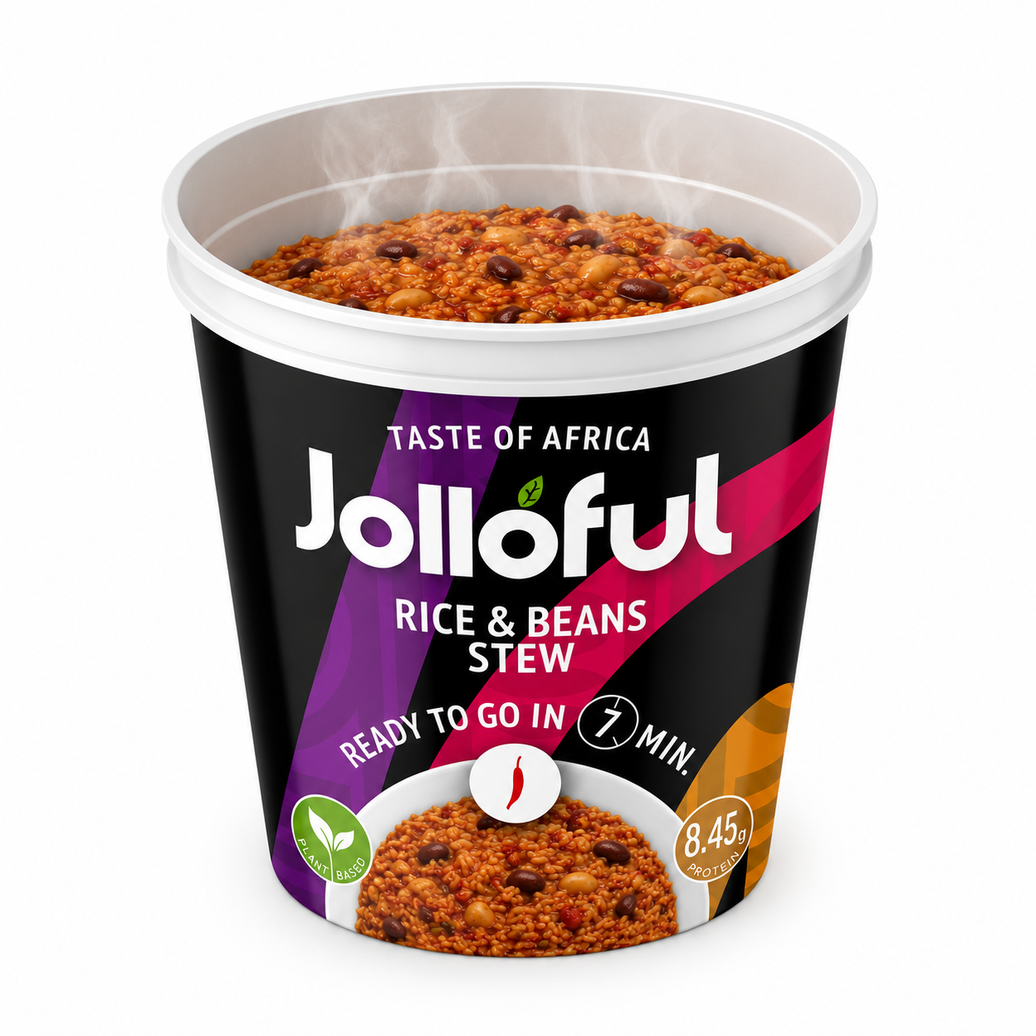
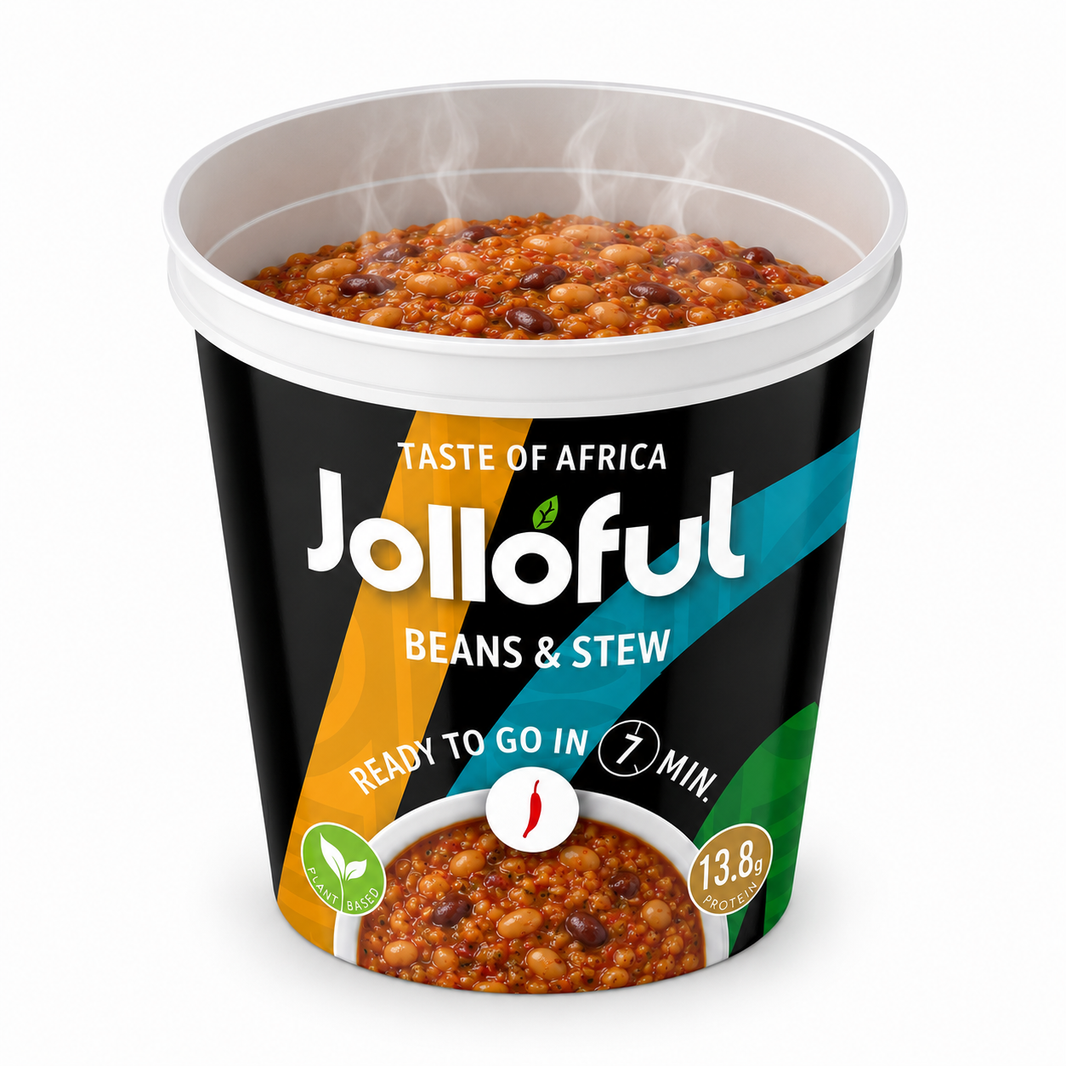
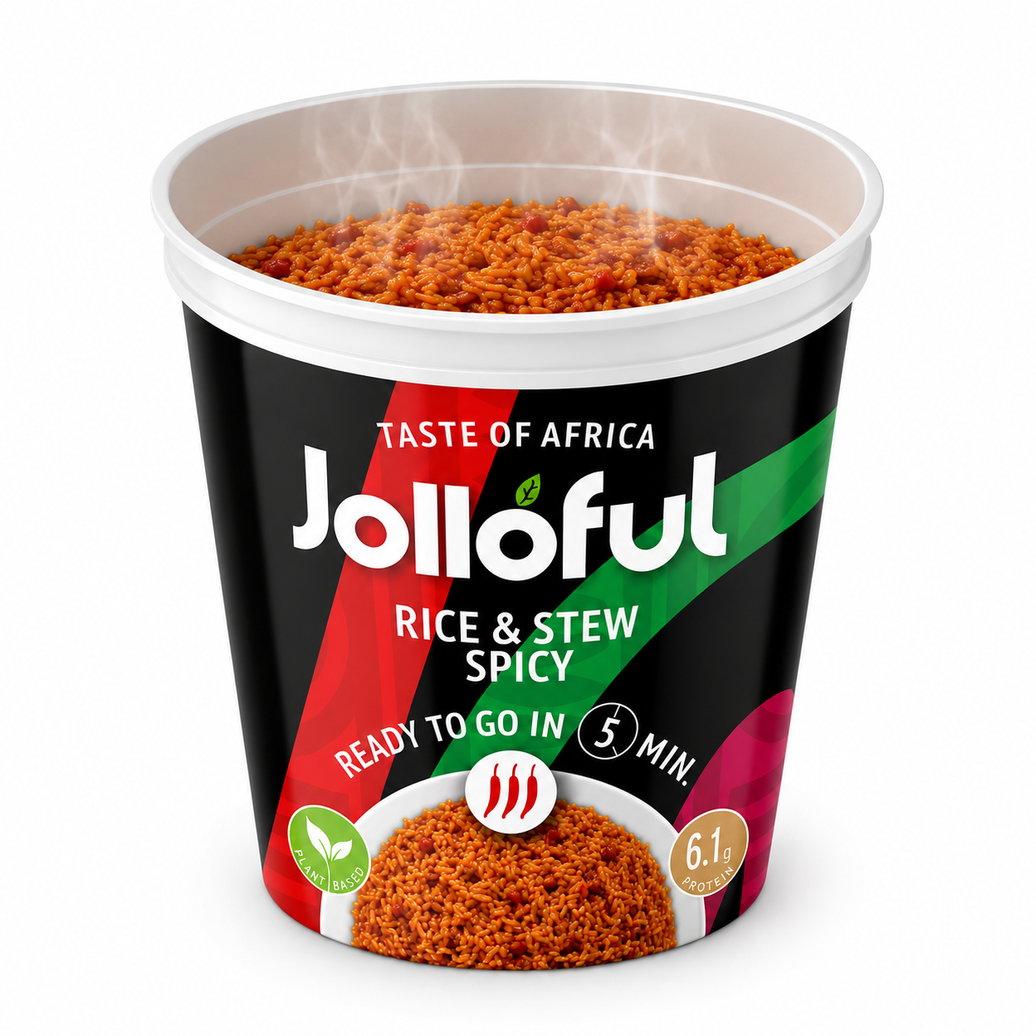
A cupboard meal can be a genuine dinner when you add one fresh or protein-rich element. That is part of the appeal of a quality shelf-stable option: it gives you a flavourful foundation, then lets you make the meal your own. Jolloful meal cups are made for this kind of real-life flexibility - hot water, a few minutes, then your choice of egg, fish, beans or chicken.
If you are working from home, keep cooked chicken or boiled eggs in the fridge for quick lunches. If you are commuting, tinned beans and fish are easier to store than fresh ingredients. If you are feeding a household with different preferences, serve the protein separately so everyone can build their own bowl.
That last point matters. One person may want prawns, another may prefer chickpeas, and someone else may be avoiding dairy or meat. A shared base with separate toppings is often the fastest route to a meal that feels personal rather than compromised.
Do Not Forget Texture and Heat
Protein changes texture as much as it changes nutrition. Soft beans suit a thick stew; crisp tofu adds contrast to a tender grain dish; flaky fish brings a lighter finish. Think about what the meal is missing. If everything is soft, add something crunchy. If the sauce is intense, choose a milder protein. If the meal is dry, use a saucier addition such as chickpeas warmed in a little tomato sauce.
Heat needs the same attention. African cuisines are celebrated for bold spice, but heat should support flavour, not overpower it. Mild proteins such as eggs, beans and plain yoghurt can cool a fiery plate. If you want more fire, season your chicken, prawns or tofu separately with fresh chilli before adding it.
A Small Prep Habit That Pays Off
The easiest way to eat more protein on busy days is to prepare one or two options before you need them. Boil eggs, roast chickpeas, cook a tray of chicken thighs, or portion tofu into a marinade. You are not meal-prepping an entire week of identical lunches. You are simply giving future you a better choice than skipping the protein altogether.
Store cooked food safely, cool it promptly and reheat it until piping hot. For pantry options, check labels for salt levels and choose products with ingredients you recognise where possible. Real food can still be fast.
The next time a bold African meal is on the table, do not reach for a bland side dish out of habit. Add the protein that fits the flavour, the time you have and the way you want to feel afterwards. A few thoughtful additions can keep the meal quick while letting its culture, spice and comfort stay right where they belong.


Hinterlasse einen Kommentar