

Five years ago, many supermarket convenience aisles still treated African food as niche - if they recognised it at all. That is changing quickly. The global demand for African flavours is no longer a quiet trend driven only by diaspora communities. It is becoming a broader shift in how people shop, cook and eat, especially among consumers who want more from fast meals than salt, filler and forgettable taste.
This matters because flavour trends do not move on hype alone. They move when culture, convenience and product quality finally line up. African cuisine has always had the depth, range and character. What is changing now is access, visibility and the willingness of mainstream consumers to expect more adventurous, more honest food in formats that fit real life.
What is driving global demand for African flavours?
At the centre of this shift is a simple consumer truth: bland convenience food has lost its appeal. Busy people still need speed, but they no longer want to trade flavour, ingredient quality or cultural relevance for it. They want meals that feel real. They want heat with purpose, seasoning with depth and dishes that do more than simply fill a gap between meetings.
African flavours meet that demand naturally. Across the continent, recipes are built on layered spice, slow-developed savoury notes, aromatics, peppers, grains, legumes and carefully balanced heat. That creates the kind of taste memory people come back for. It also stands out in categories long dominated by ultra-processed options designed more for shelf life than enjoyment.
Another driver is the growing confidence of African diaspora consumers in global markets. For years, many had to choose between authenticity and convenience. Home-style flavours often required time, specialist shopping or cooking from scratch. As better products enter the market, diaspora households are no longer being asked to settle for watered-down interpretations. That changes purchasing power into visible demand.
At the same time, non-African consumers have become far more open to cuisines that were once overlooked by mainstream retail. They are not just chasing novelty. They are looking for food with identity. In that context, African cuisine offers something stronger than a passing food fad - it offers distinct culinary traditions with real staying power.
African flavours are not one thing
One of the biggest signs of progress is that people are beginning to understand a basic but often missed point: African food is not a single flavour profile. It is not one spice blend, one level of heat or one cooking style. The continent contains enormous regional diversity, and that variety is part of why global demand keeps expanding.
West African cooking, for example, is often celebrated for rich stews, peppery warmth, tomato-based sauces, smoky notes and deeply savoury seasoning. East African traditions may lean more towards fragrant spice combinations, lentils and grilled meats. North African cuisines bring their own layers of spice, preserved ingredients and long-established culinary exchange. Southern and Central African foods add further depth again.
For brands, retailers and food buyers, this matters. Treating African flavours as a monolith limits both product development and consumer understanding. The brands that will win are the ones that present African cuisine with specificity and confidence, rather than flattening it into a generic "world food" category.
Convenience has changed the conversation
There was a time when convenience food and authentic food sat on opposite sides of the room. One was quick but disappointing. The other was rich in culture and flavour but harder to access on a weekday. That split is narrowing.
Modern consumers, especially young professionals, students and working parents, now expect both. They want dinner in minutes, but they also read labels. They care whether a product uses real ingredients. They notice when flavour has been stripped out to suit a mass market. And they are increasingly willing to pay more for convenience that does not feel cheap.
This is where African food has a genuine advantage if it is handled properly. Shelf-stable, fast-prep formats can introduce people to strong regional flavours without requiring a specialist shop, a full recipe plan or an hour at the cooker. But there is a trade-off. If brands over-simplify recipes to fit old convenience standards, they lose the very thing that makes African cuisine compelling in the first place.
The opportunity is not to make African food taste "safe". It is to make it accessible without removing its character.
Why younger shoppers are reshaping the market
The global demand for African flavours is rising fastest among consumers who are used to mixed cultural influences in daily life. Younger urban shoppers in the UK and across Europe have grown up in food cultures shaped by migration, travel, social media and a broader idea of what belongs on a weekly meal rotation.
They do not divide food into rigid categories of familiar and foreign in the same way previous generations often did. One night might be pasta, the next a spicy grain bowl, the next a West African-inspired lunch cup between calls. For them, flavour discovery is normal, not exceptional.
There is also a stronger interest in provenance. People want to know where a dish comes from, what ingredients define it and whether the brand behind it is treating that cuisine with respect. That gives African food brands a chance to stand apart from generic multinational convenience products. Cultural credibility is not an optional extra here. It is part of the value.
Retailers and foodservice are finally paying attention
Consumer curiosity alone does not build a category. Availability does. One reason African flavours are gaining ground is that more buyers are starting to recognise what they previously missed - repeat demand.
In retail, African products are moving beyond being stocked only for diaspora communities. Buyers are noticing that strong flavour, clean labels and practical formats have wider appeal. In foodservice, there is growing interest in menu variety that feels modern but grounded. Offices, universities, travel hubs and speciality cafés all want food that feels current without being empty trend-chasing.
That said, there is still friction. Some retailers remain cautious, often because they underestimate mainstream demand or rely on outdated assumptions about what customers will try. Packaging, naming and shopper education still matter. A product can be deeply authentic and still need clear communication. There is no contradiction there. Making food approachable is not the same as diluting it.
Clean labels matter more than ever
Flavour gets attention first, but ingredients close the sale. As consumers become more sceptical of overprocessed convenience meals, they are looking for products that feel transparent. They want to recognise what they are eating. They want less artificial colouring, fewer unnecessary additives and a clearer sense that the food was designed to nourish as well as satisfy.
This shift works in favour of brands rooted in real cooking traditions. African cuisine has never needed laboratory tricks to taste bold. Its strength comes from peppers, onions, tomatoes, spices, grains and layered preparation. Translating that into packaged food takes skill, but when done well, it answers a very current demand: speed without compromise.
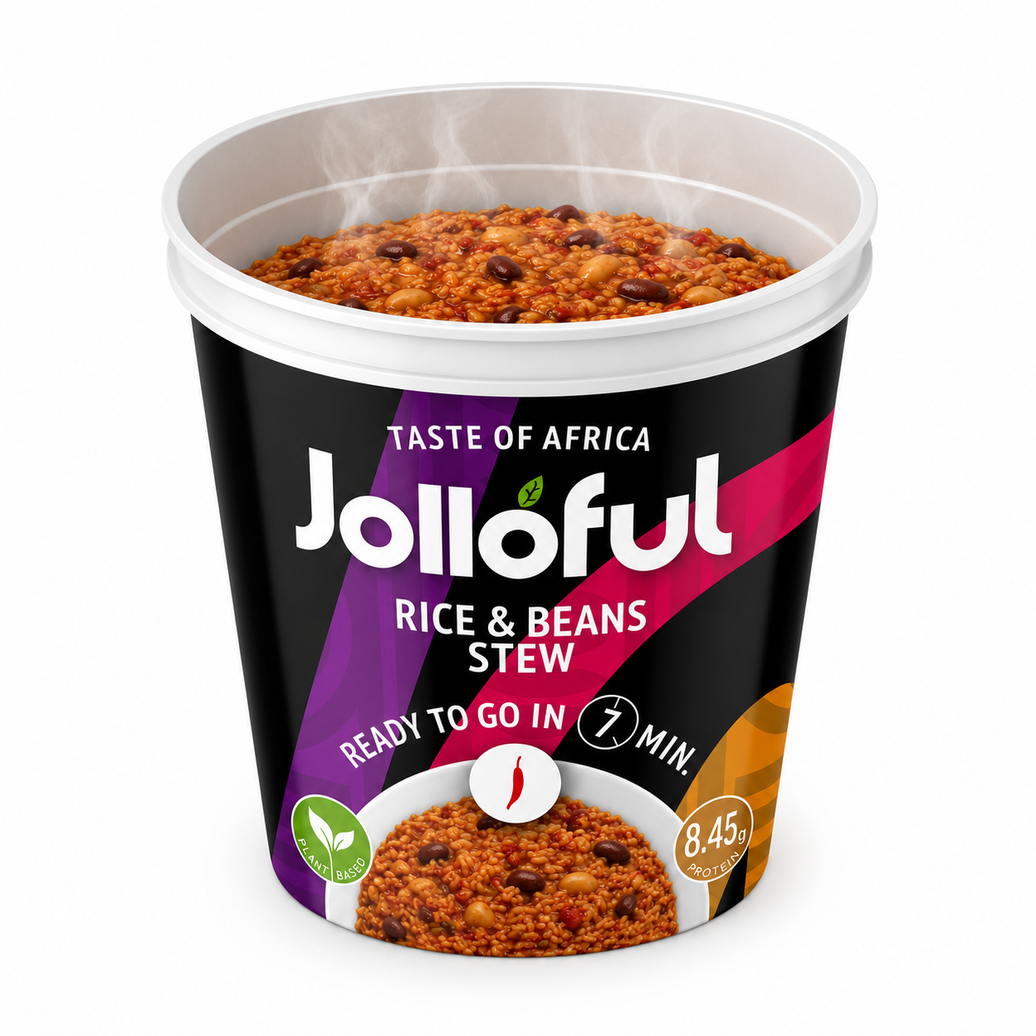
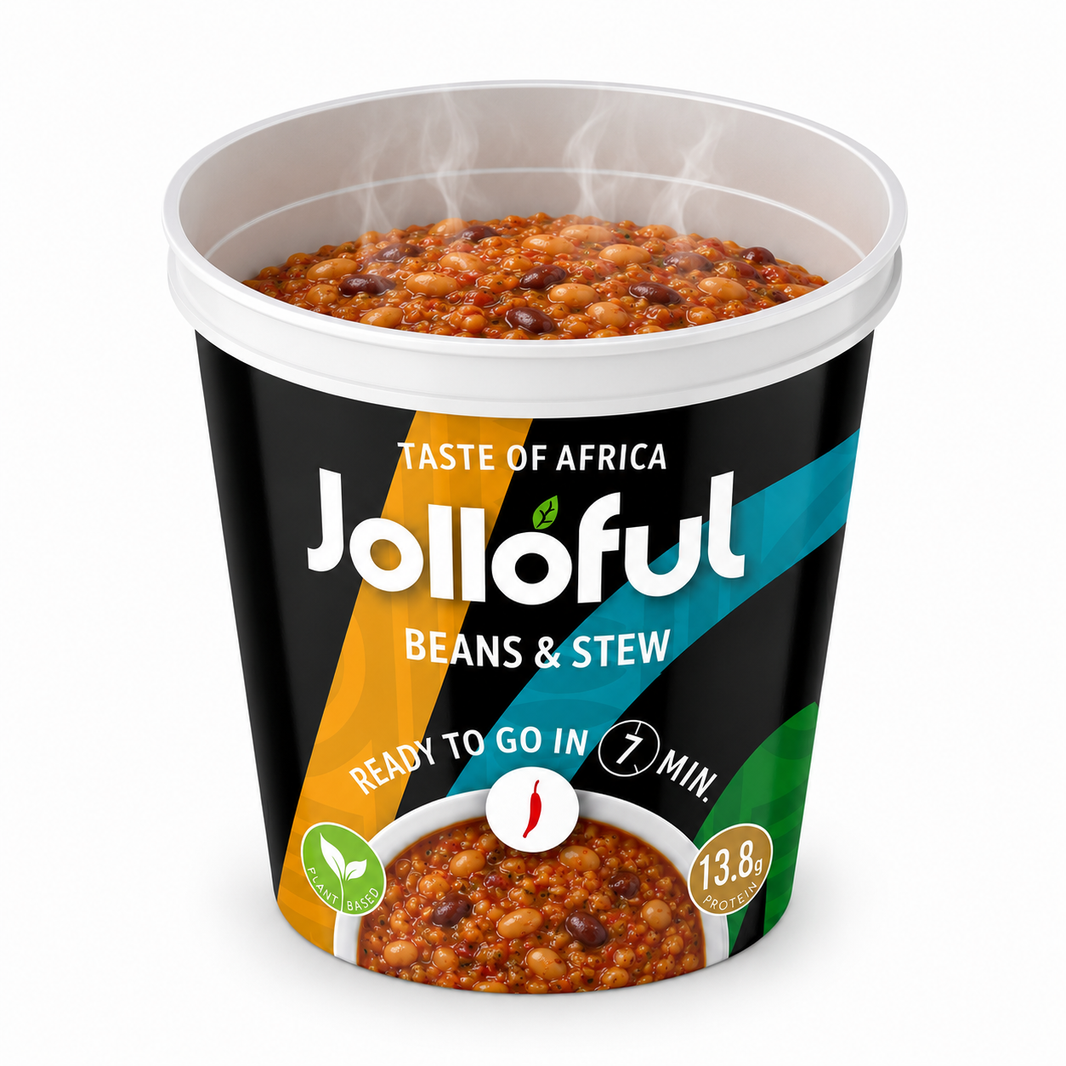
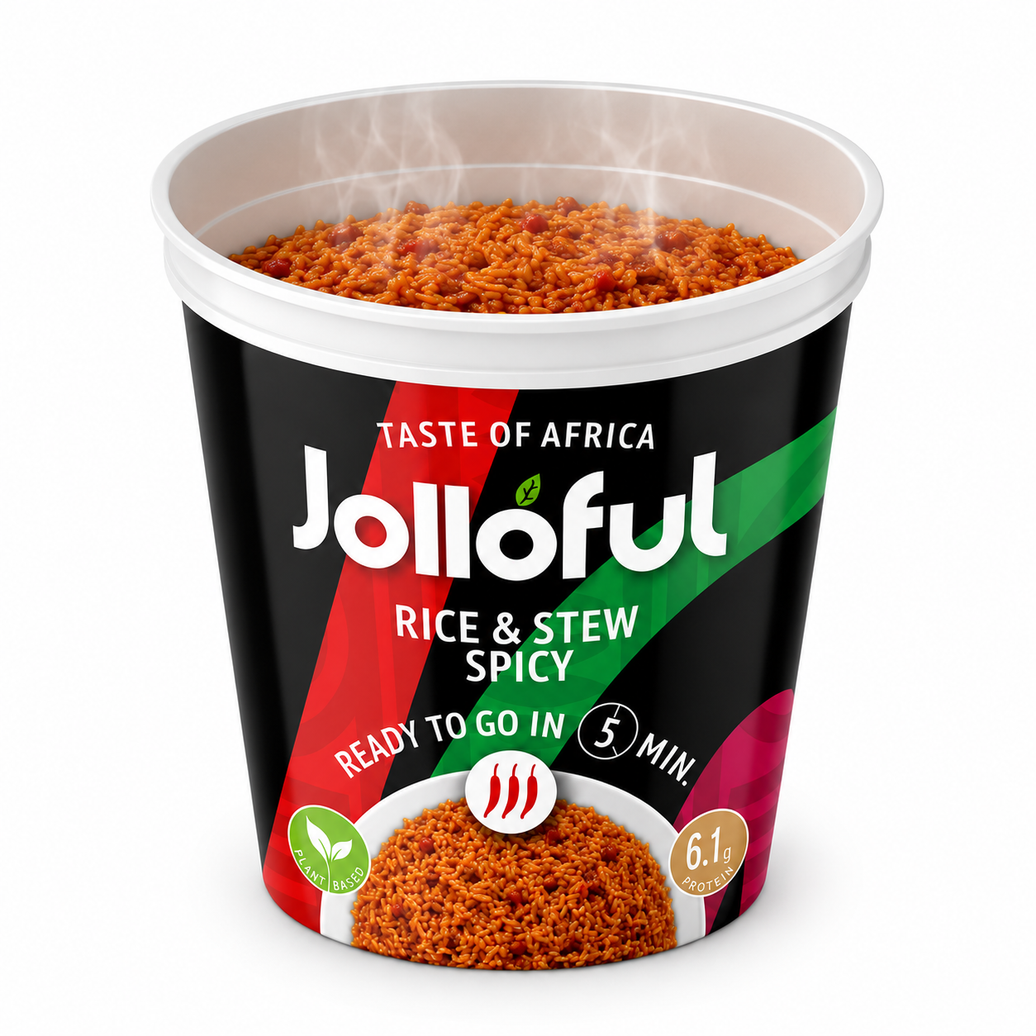
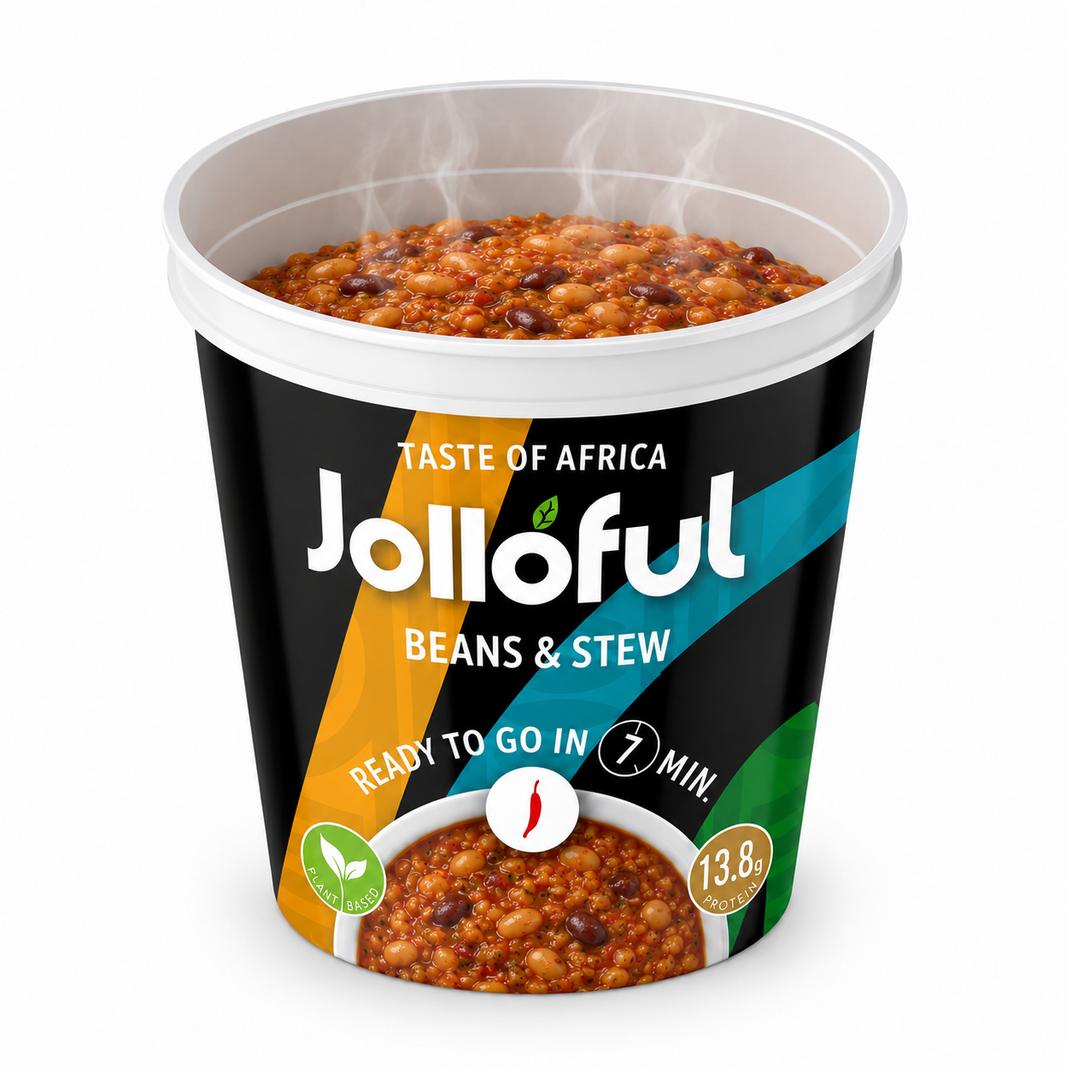
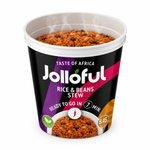
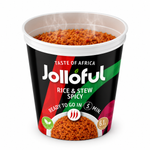
That is one reason brands like Jolloful are finding traction. The proposition is simple and strong - real food, rooted in culture, ready when life is busy. For a market tired of low-grade instant options, that is a meaningful difference.
What the future of African flavours looks like
The next stage of growth will not come from treating African cuisine as a moment. It will come from building everyday habits around it. That means products people can keep in the cupboard, meals they can prepare between school runs or meetings, and flavours they want again next week rather than just once for curiosity.
It also means more precision in how African foods are presented. The market is maturing. Consumers can handle more detail, more regional identity and more confidence from brands. They do not need everything softened into broad terms. In fact, the clearer the point of view, the stronger the connection tends to be.
There will still be challenges. Price sensitivity is real. Education gaps remain. Some shoppers will need an easy entry point before they branch out. But the direction is clear. As people look for convenience with standards, flavour with substance and food that reflects a more connected world, African cuisine is moving into the space it has long deserved.
The real opportunity now is not just to meet the global demand for African flavours, but to meet it properly - with quality, pride and food that tastes like it means something.


Hinterlasse einen Kommentar