
A 6am airport run, a delayed train and a day of meetings can make crisps for breakfast feel inevitable. But learning how to eat well travelling is not about carrying a cool bag the size of your suitcase or refusing every spontaneous meal out. It is about having a few reliable choices ready, so hunger does not decide for you.
Good travel food should do more than fill a gap. It should give you steady energy, proper flavour and something familiar when every part of the day feels in motion. Whether you are crossing the UK for work, taking a city break in Europe or heading home to see family, eating well can travel with you.
Start with a realistic travel food plan
The best plan is not the strictest one. It is the one you can follow when you are tired, short on time and facing a service-station meal deal. Before leaving, think about the journey in three parts: what you will eat before departure, what you can carry, and where you are likely to buy food.
A proper meal before a long journey makes a noticeable difference. Aim for a combination of carbohydrates, protein and fibre: eggs with toast and vegetables, yoghurt with oats and fruit, or a warm grain-based meal that actually satisfies. Starting well means you are less likely to buy the first sugary snack in sight two hours later.
Then pack for the gaps. A delayed flight or a late hotel check-in is much easier to handle when you have food that needs little effort. The goal is not to recreate your kitchen. It is to avoid reaching the point where anything edible will do.
Pack food that earns its space
Every item in your bag needs to be useful. Choose foods that are shelf-stable, reasonably compact and enjoyable enough that you will actually eat them. Think fruit such as apples or satsumas, roasted nuts, oatcakes, nut butter sachets, dates, high-quality protein snacks and wholegrain crackers.
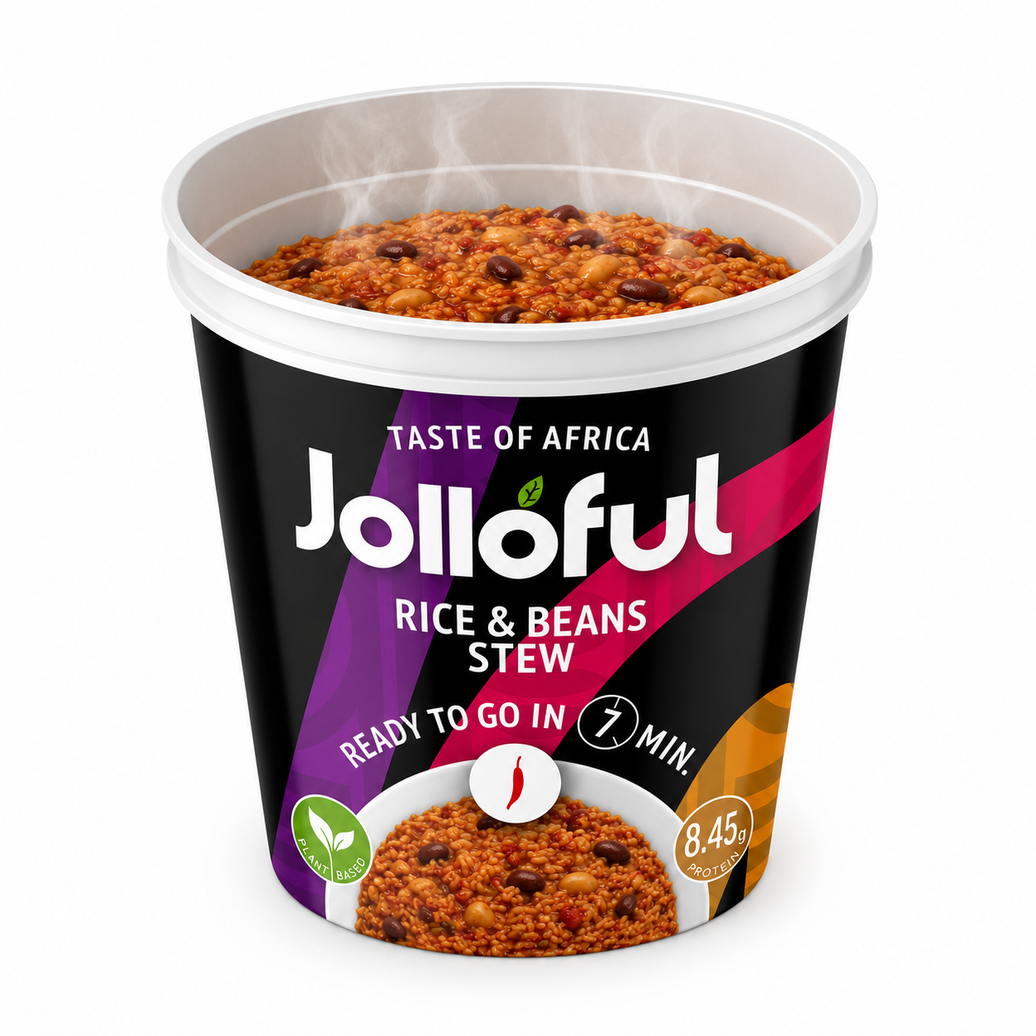
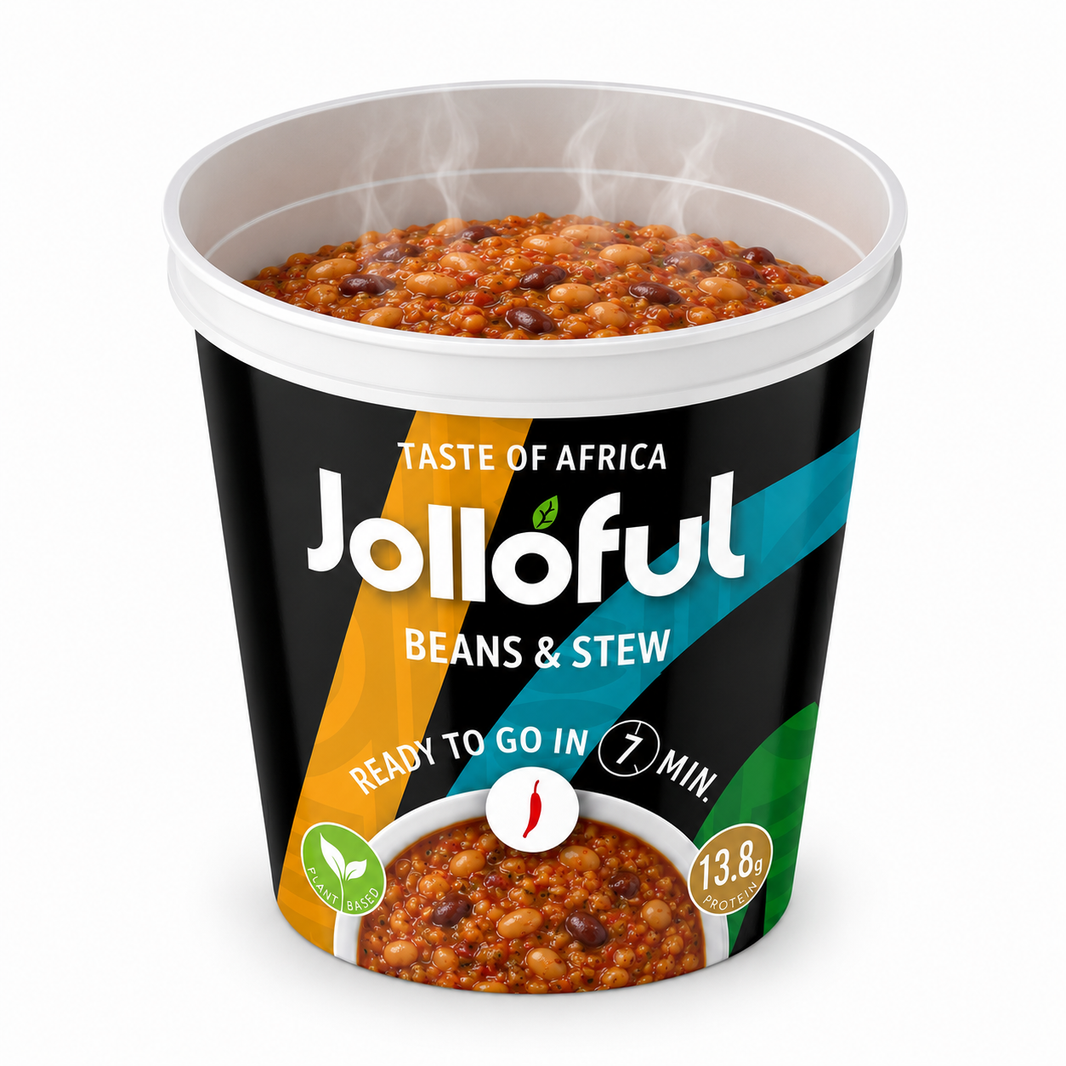
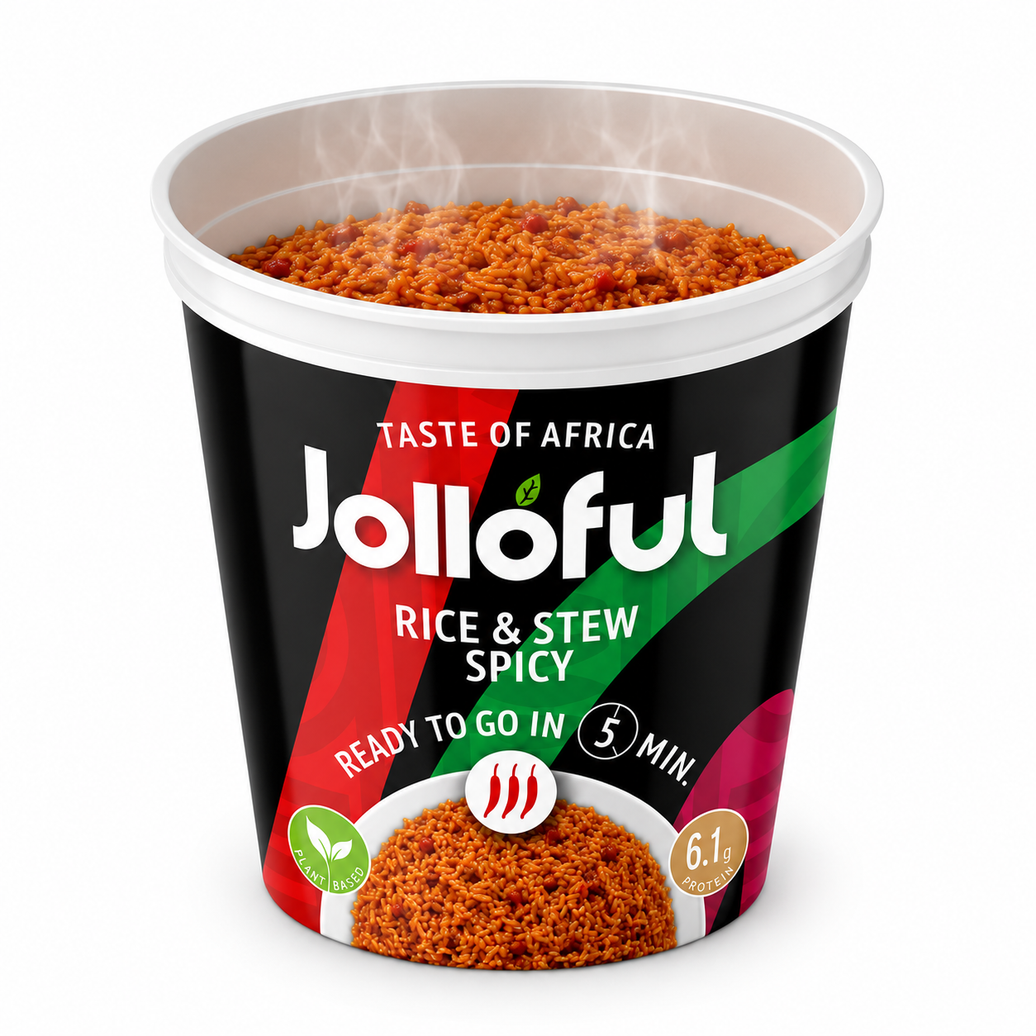
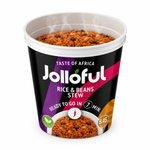
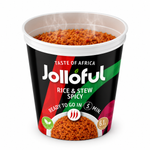
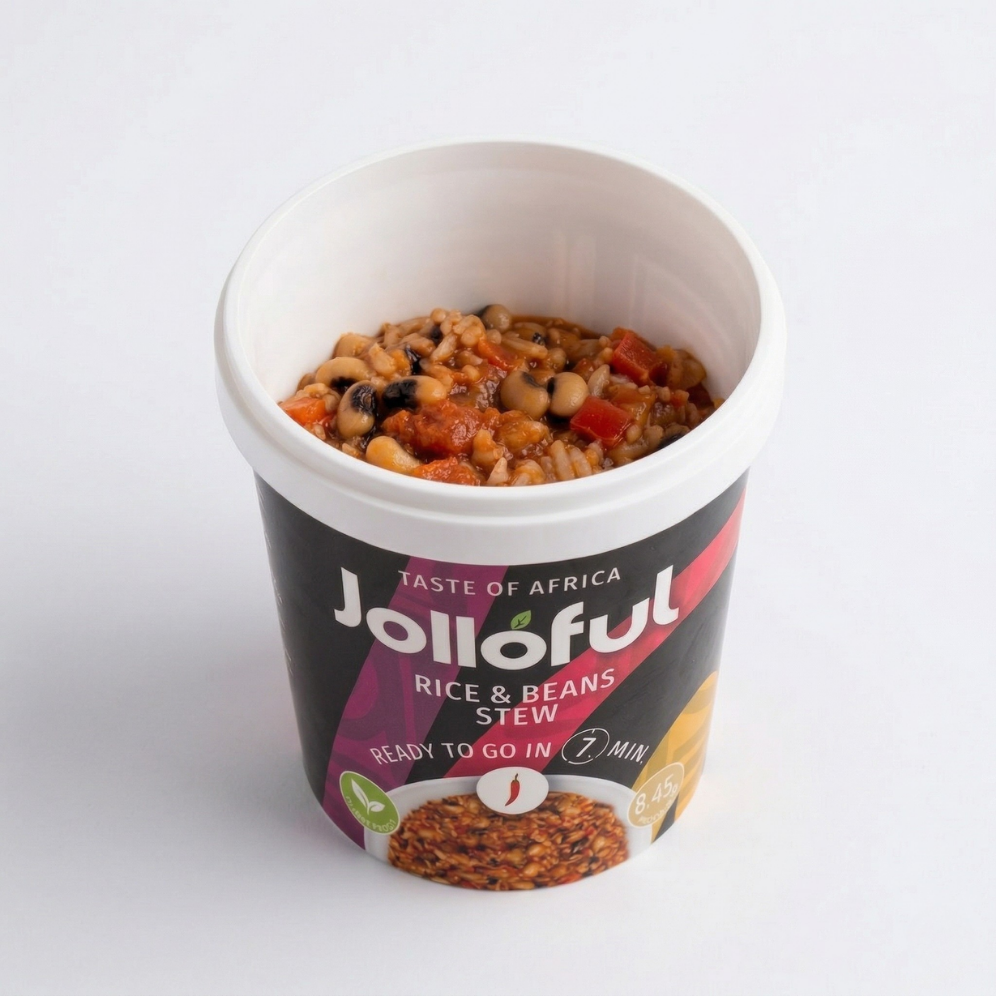
For longer journeys, bring something that feels like a meal rather than a snack collection. A shelf-stable meal cup can be especially useful if you know you will have access to hot water at an airport lounge, office, hotel or train station. It gives you a warm, filling option without relying on a fridge or settling for a limp sandwich.
This is where quality matters. Read the label rather than assuming every convenient meal is the same. Look for recognisable ingredients, satisfying portions and flavours you genuinely want to eat. Convenience should not mean artificial colours, unnecessary preservatives or a bowl of blandness.
Jolloful meal cups are made for this exact kind of moment: bold, culturally rooted African flavours in a format that is ready in minutes with hot water. They are a practical addition to a travel bag when you want real food, not a compromise disguised as convenience.
How to eat well travelling through airports and stations
Airports and stations are built around urgency. That is why the best choice is often made before you are hungry. If you have packed a meal or snacks, you can browse without panic and choose something to complement what you have rather than trying to build an entire day’s nutrition from a display beside the till.
When buying food on the move, look for a clear source of protein, a carbohydrate that will keep you going, and some fruit or vegetables where possible. A chicken and salad wrap, a pot of yoghurt with fruit, sushi with edamame, or a soup and a seeded roll can all work. None needs to be perfect. The point is to choose food with staying power.
Watch the drinks, too. A large sweet coffee and an energy drink may feel helpful during an early start, but the crash is rarely worth it. Water, sparkling water, tea or coffee alongside food will usually serve you better. If you are flying, start drinking water before boarding rather than waiting until you feel dehydrated.
There is also room for pleasure. A pastry from a brilliant local bakery or a favourite airport treat is part of travelling sometimes. Enjoy it because you want it, not because you had no other option. That distinction makes a difference.
Make hotels work harder for you
Hotel breakfasts can be generous, but they can also leave you strangely hungry by mid-morning. Build a plate around substance first: eggs, beans, yoghurt, fruit, oats, wholegrain toast or smoked fish, depending on what is available. Add the croissant if you fancy it, but do not make it the whole breakfast.
If your room has a kettle, you have more options than you may think. Keep a few meal cups, porridge pots or tea bags in your luggage, alongside fruit bought locally. This is especially helpful after a late arrival, when restaurants are closed and room service is overpriced or limited.
For stays of several days, find a nearby supermarket early on. Pick up water, fruit, yoghurt, nuts and anything you can use for a quick breakfast or snack. It takes ten minutes and removes a surprising amount of daily decision-making.
Eat out with curiosity, not rules
Travelling is one of the best reasons to eat somewhere new. Food carries place, history and people with it. Trying regional dishes, visiting family-run restaurants and following the smell of a busy market can be far more memorable than ordering the safest item on a familiar chain menu.
Eating well at a restaurant does not require turning dinner into a nutrition worksheet. Order what sounds good, but notice what will make you feel good afterwards as well. Meals with vegetables, pulses, fish, meat, grains and richly spiced sauces can be deeply satisfying. Share starters if you want to try more than one thing, and stop when you are comfortably full rather than uncomfortably stuffed.
If you have dietary needs, plan ahead with a little extra care. Learn a few relevant phrases in the local language, keep a translated note on your phone and carry a dependable snack in case suitable choices are limited. For allergies, do not rely on guesswork or vague menu descriptions.
Keep your routine flexible
A travel day rarely follows your normal meal times. You may eat lunch at 11am, dinner at 9pm or spend hours in a car with nowhere worthwhile to stop. Flexibility is more useful than trying to force your usual routine onto an unusual day.
Use hunger as information. If your next proper meal is hours away, eat the snack you packed. If you have been sitting all day and are only mildly hungry, choose something lighter but still nourishing. Skipping meals to ‘save up’ for dinner often ends with overeating later, especially when you are tired.
It also helps to protect the basics: water, sleep where possible and a bit of movement. A walk around the terminal, stretching at a motorway stop or exploring a new neighbourhood on foot can reset your appetite and energy better than another coffee.
A better standard for food on the move
Eating well while travelling is not about being flawless in every airport, hotel or roadside café. Some days will involve a rushed sandwich, late-night chips or a meal that is more beige than you intended. That is normal.
What matters is raising the standard you expect from convenience. Keep food nearby that tastes good and reflects the way you want to eat. Choose local meals with curiosity. Make space for both nourishment and enjoyment. When your bag holds a few dependable options, the journey feels less like survival and more like your life, just in another place.


Hinterlasse einen Kommentar