
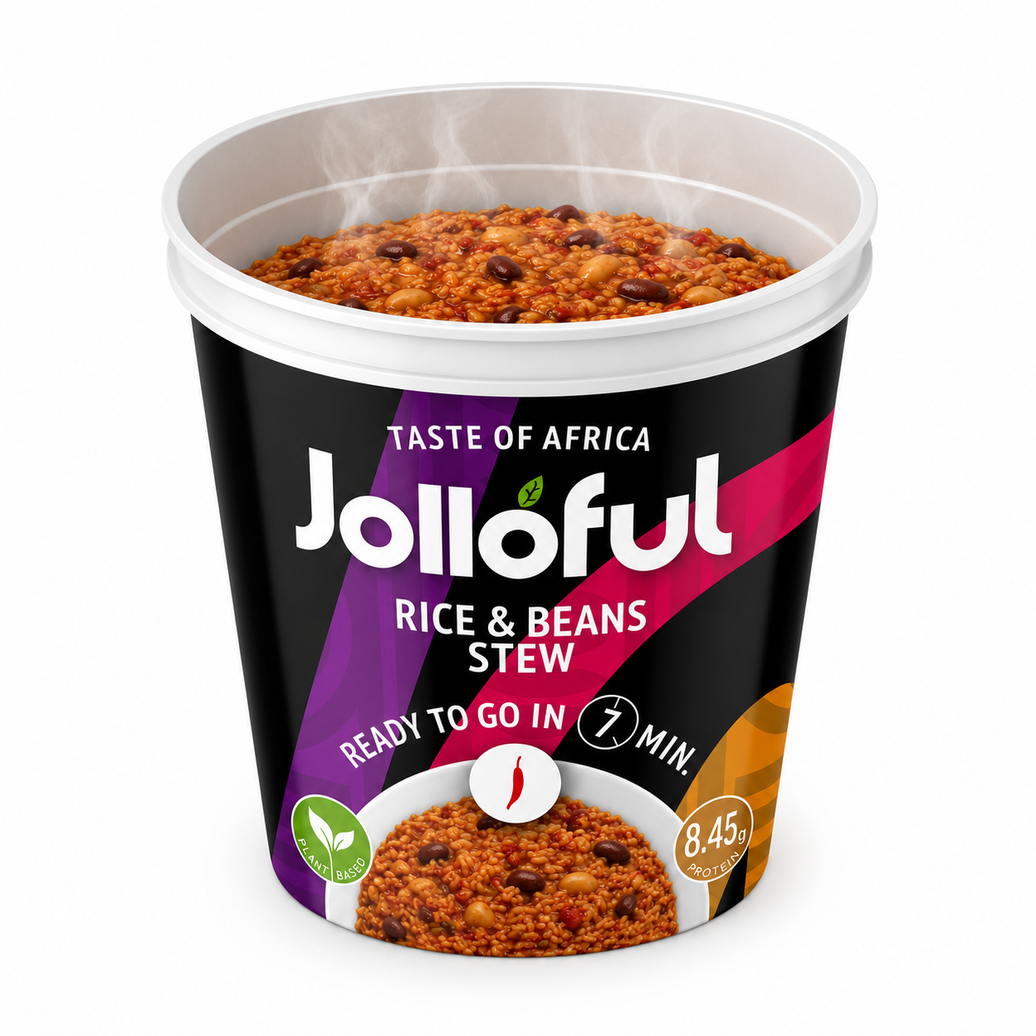
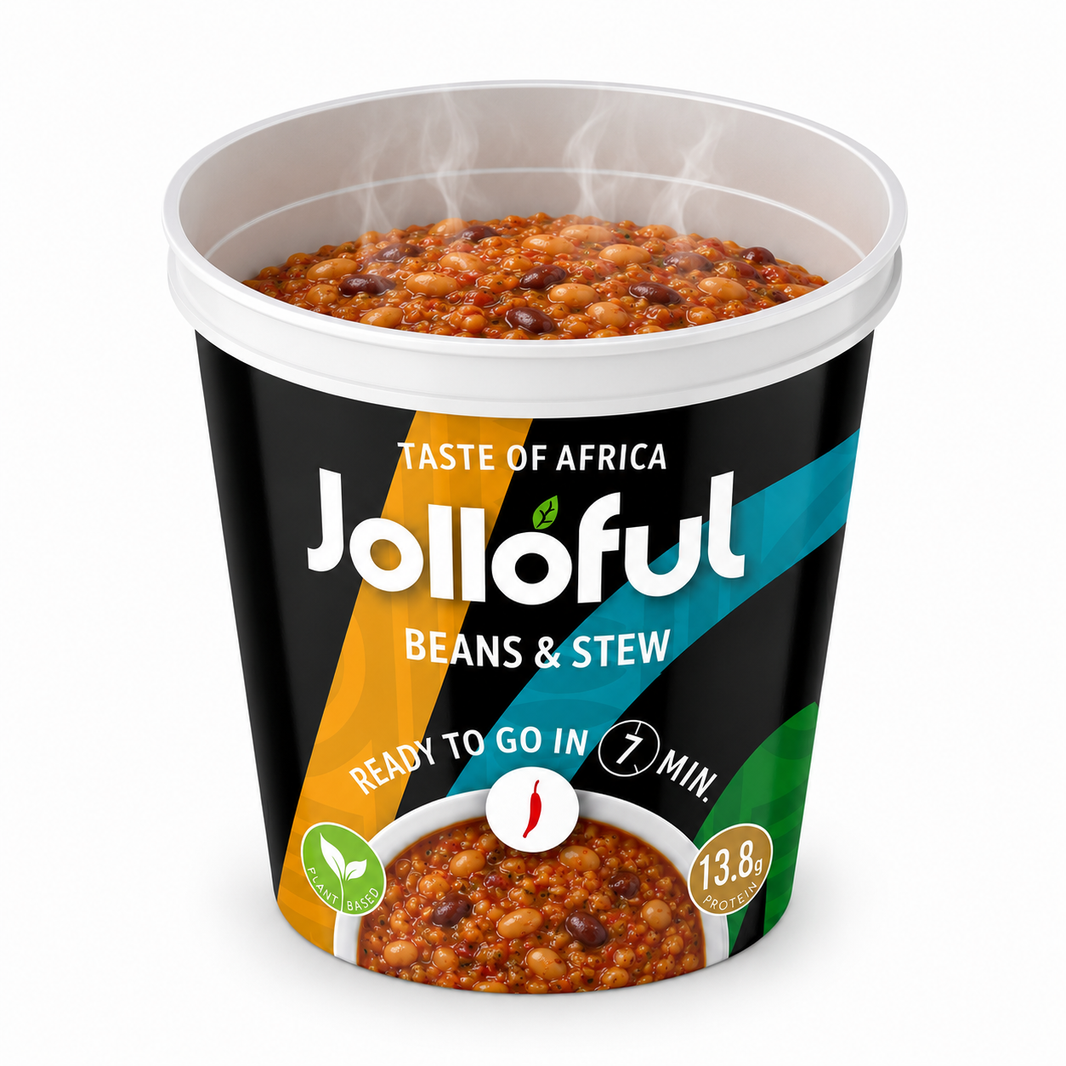
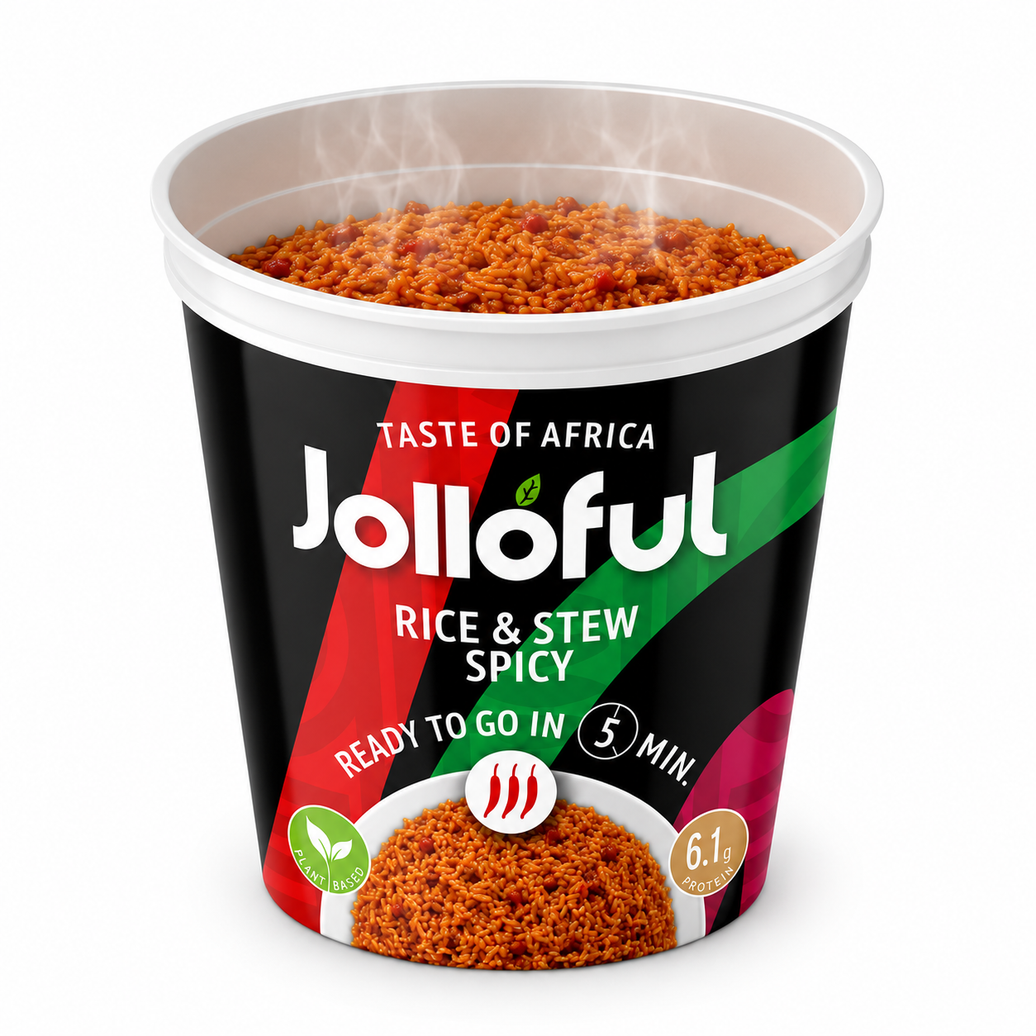
You know the feeling. It is 7.15pm, your day has run over, the fridge is looking uninspiring, and the usual convenience options feel like a let-down before you have even opened the pack. That is exactly where shelf stable convenience meal kits earn their place. Done properly, they are not just emergency food. They are a smarter way to eat well when time is short, space is limited, and flavour still matters.
The category is changing fast. For years, shelf-stable meals were treated as a compromise - useful, maybe, but rarely exciting. Too often they meant overly processed sauces, flat seasoning, artificial additives, or the same tired instant noodle format dressed up with new packaging. Consumers have moved on from that. They want speed, but they also want meals that taste real, feel intentional, and reflect the way people actually eat.
What shelf stable convenience meal kits should really offer
At their best, shelf stable convenience meal kits solve more than one problem at once. They remove the need for constant fridge shopping, reduce food waste, and give you something dependable for busy workdays, late nights, travel, student living, or stocked-up cupboards. But convenience alone is no longer enough.
A good kit should give you three things straight away: ease, credibility, and flavour. Ease means quick preparation with minimal equipment. Credibility means ingredients you recognise and a recipe that feels rooted in a real food culture, not engineered for shelf life first and taste second. Flavour means depth, spice, texture, and proper satisfaction - not a meal you finish and then immediately regret.
That is where the difference between modern meal kits and old-school instant food becomes obvious. Shelf life does not have to mean low standards. In fact, for a lot of shoppers, long storage only becomes appealing when it comes with clean labels, no added preservatives, and a meal they would actually choose to eat even if they had more time.
Why demand for shelf stable convenience meal kits is growing
The rise of hybrid working, smaller kitchens, tighter schedules, and more intentional grocery spending has changed how people shop. Plenty of households in the UK and across Europe now keep a few fallback meals on hand, not because they expect disaster, but because they expect life to be busy.
There is also a cultural shift happening in convenience food. People are less willing to accept blandness as the price of speed. Younger consumers especially are reading ingredient lists, comparing protein and fibre, and paying attention to where flavours come from. They want food that fits a modern routine without flattening everything into one generic taste profile.
For diaspora households, this matters even more. Convenience meals have often ignored the flavours people grew up with or reduced whole cuisines to a single watered-down idea. A shelf-stable format that still respects cultural identity can do something powerful. It can make familiar food practical for weekday life, office lunches, uni rooms, and travel, without stripping away what made it meaningful in the first place.
For curious first-time buyers, the appeal is different but just as strong. A well-made meal kit lowers the barrier to trying something new. There is no long ingredient list to hunt down, no complicated prep, and no pressure to know the cuisine already. You get access without the fuss.
Not all convenience is equal
This is where a little scrutiny helps. The words shelf stable can cover a wide range of products, and quality varies a lot.
Some meal kits lean heavily on fillers, excessive sodium, artificial flavouring, or sugar to create impact quickly. Others put all the value into portability while neglecting texture, portion satisfaction, or ingredient integrity. And some are technically convenient but still require so much assembly that they lose the point.
A better shelf-stable meal finds balance. It stores well, prepares quickly, and still tastes like someone cared about the recipe. That might mean carefully dried ingredients, thoughtfully blended spices, grains that hold their texture, and sauces or bases built for flavour rather than mere shelf endurance.
There is also an important trade-off to acknowledge. Shelf stability can limit certain fresh elements, and no ambient product will mimic a slow-cooked meal straight from a family kitchen in every detail. But that is not the real comparison. The real question is whether it delivers a satisfying, well-made meal in the moment you need it. Against a disappointing supermarket ready meal or another bowl of forgettable noodles, a strong kit can win very easily.
What to look for before you buy
Start with the ingredient list. If it reads like chemistry homework, that tells you something. Many shoppers now prefer options with recognisable ingredients and no unnecessary extras. No artificial colour and no added preservatives are not just marketing lines - they are often signals that a brand is taking food quality seriously.
Next, consider preparation time and method. The best options are genuinely low effort. If all you need is hot water and five to seven minutes, that is useful in real life. It works in an office kitchen, a student hall, a hotel room, or at home when cooking from scratch is off the table.
Then there is flavour profile. This is where too many convenience brands still play it safe, which usually means bland. Strong meal kits are not afraid of character. Spice, warmth, savoury depth, and regional identity matter. A meal should taste like something specific, not like a vague attempt to offend no one.
Portion format matters too. Cups and compact meal packs can be ideal for work lunches and travel because they are tidy and easy to store. Larger packs may suit households better. It depends on whether you are shopping for solo convenience, family backup, or a pantry with range.
Finally, ask whether the product treats convenience as the headline or as one benefit among several. The most compelling brands do not stop at fast. They also stand for something - better ingredients, stronger flavour, cultural authenticity, or a more thoughtful approach to packaged food.
Why African flavours are a natural fit for this category
African cuisine has always had the kind of flavour confidence convenience food often lacks. West African cooking in particular is known for bold seasoning, layered spice, tomato richness, grains, rice dishes, and deeply savoury combinations that hold up beautifully when done with care.
That makes the category especially exciting. Instead of asking consumers to settle for another neutral, generic instant meal, shelf-stable African meal kits can offer something more memorable. They bring heat, comfort, and identity into a format built for speed.
This is also about representation. For too long, African food in mainstream retail has been underseen, oversimplified, or pushed into niche corners. A modern shelf-stable format makes it easier for these flavours to show up where busy people actually shop and eat. It tells consumers that convenience food does not have to orbit the same narrow set of options forever.
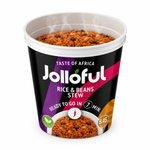
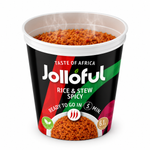
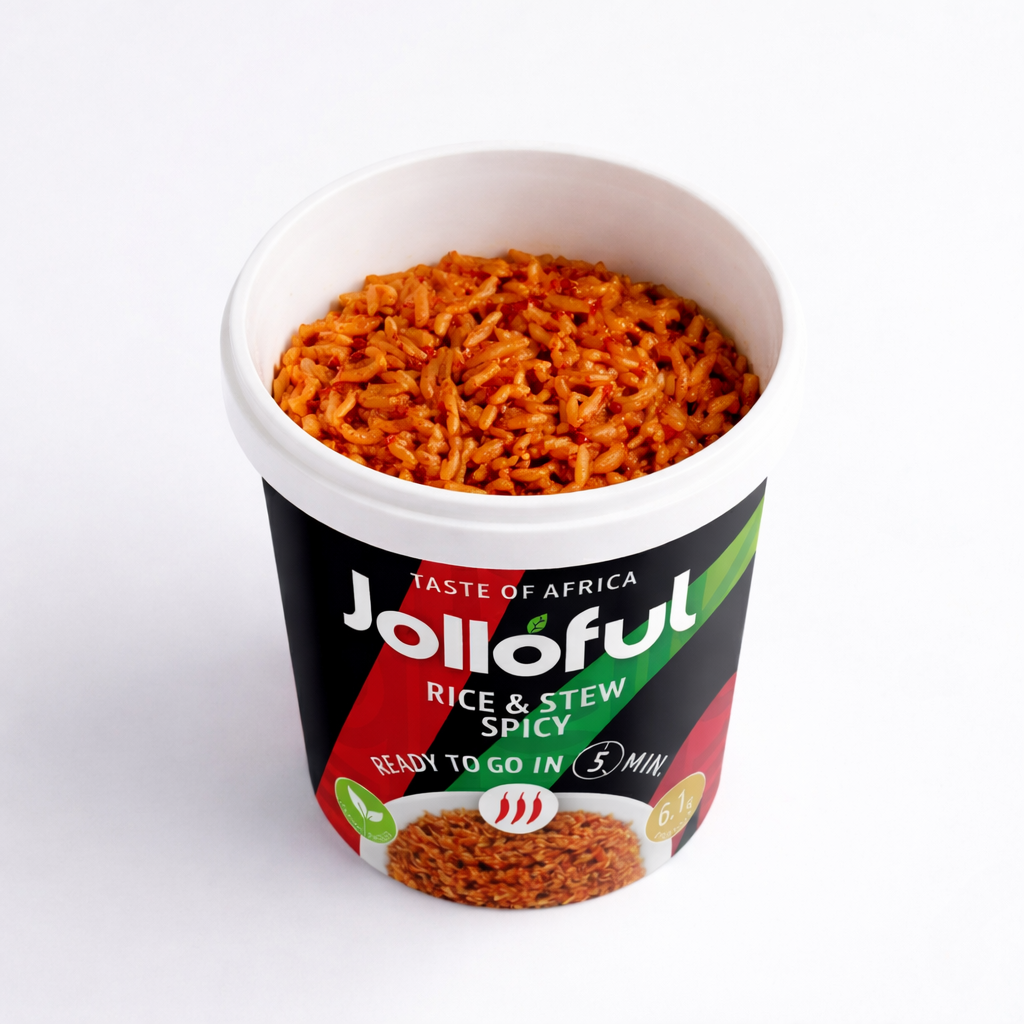
Brands like Jolloful are part of that shift. They show that a fast meal can still be rooted in culture, made with real ingredients, and designed for modern life without becoming another faceless instant product.
Where shelf stable convenience meal kits fit into real life
The beauty of this format is not that it replaces cooking. It supports the moments when cooking is unrealistic.
It works for the parent who needs a quick lunch between meetings, the student who wants better than takeaway, the commuter who gets home late, or the traveller who wants something reliable in the cupboard before and after a trip. It also works for people trying to eat with more intention. A shelf-stable meal can be a better decision than ordering expensive last-minute food or skipping dinner and snacking aimlessly.
For small households, it reduces the pressure to keep a perfectly stocked fridge. For larger households, it gives everyone a backup option that is quicker than starting from scratch. For adventurous eaters, it offers an easy route into new cuisines. For diaspora consumers, it can offer a taste that feels familiar without requiring a full cooking session on a Wednesday night.
That flexibility is the real selling point. Not novelty. Not survivalism. Just useful, flavourful food that meets the pace of modern life.
The future of convenience food looks more honest
The next wave of convenience is not about pretending every meal is gourmet. It is about refusing the old trade-off that says fast food must be low quality, culturally flat, or nutritionally careless.
Shelf-stable products are getting better because consumers are asking better questions. What is in this? Why does it taste so generic? Does this reflect a real dish or just borrow the name? Can I keep it in the cupboard and still feel good about eating it? Those are fair questions, and the strongest brands are answering them with substance.
That is good news for anyone who wants practical food without lowering their standards. A meal kit can be quick and still carry flavour. It can be shelf stable and still feel rooted. It can be easy and still feel like real food.
And once you have tasted that difference, it gets much harder to go back to bland.
SHOP NOW >>> https://jolloful.com


Hinterlasse einen Kommentar