
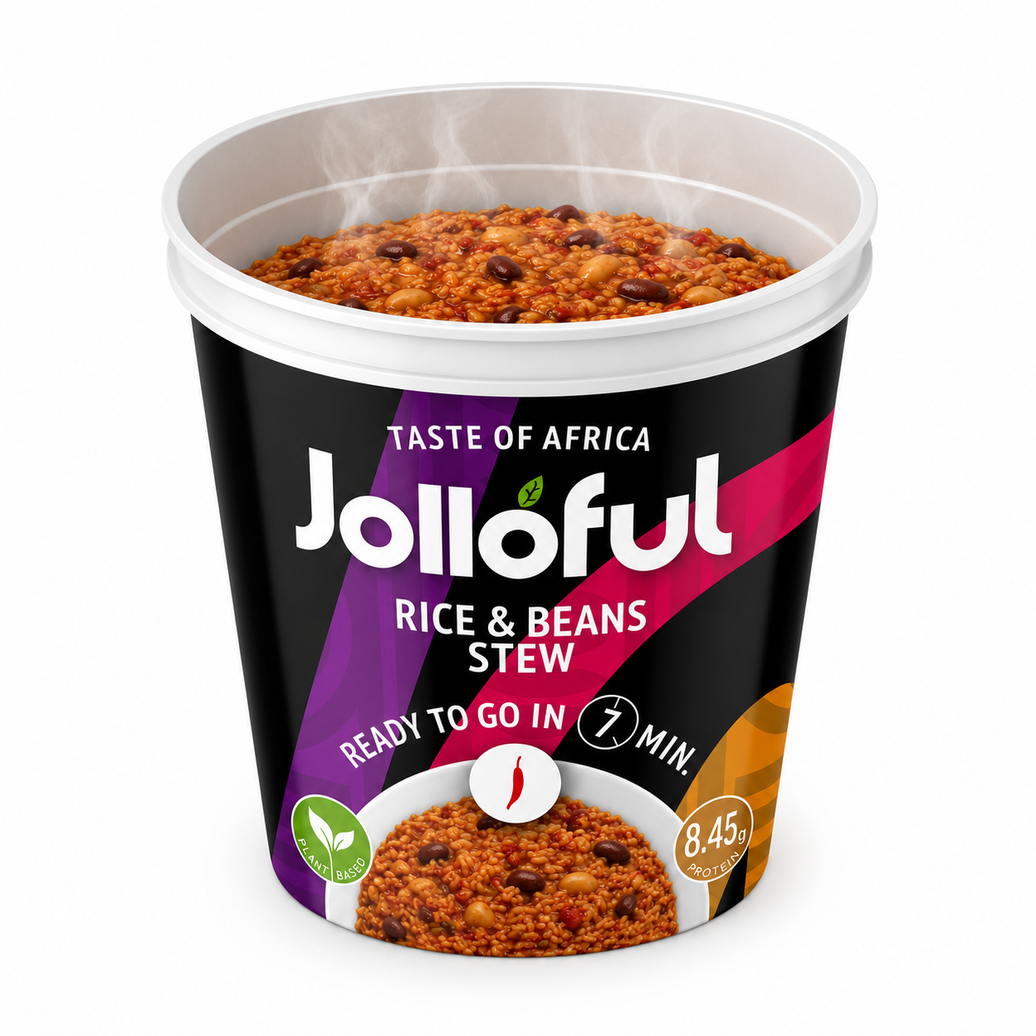
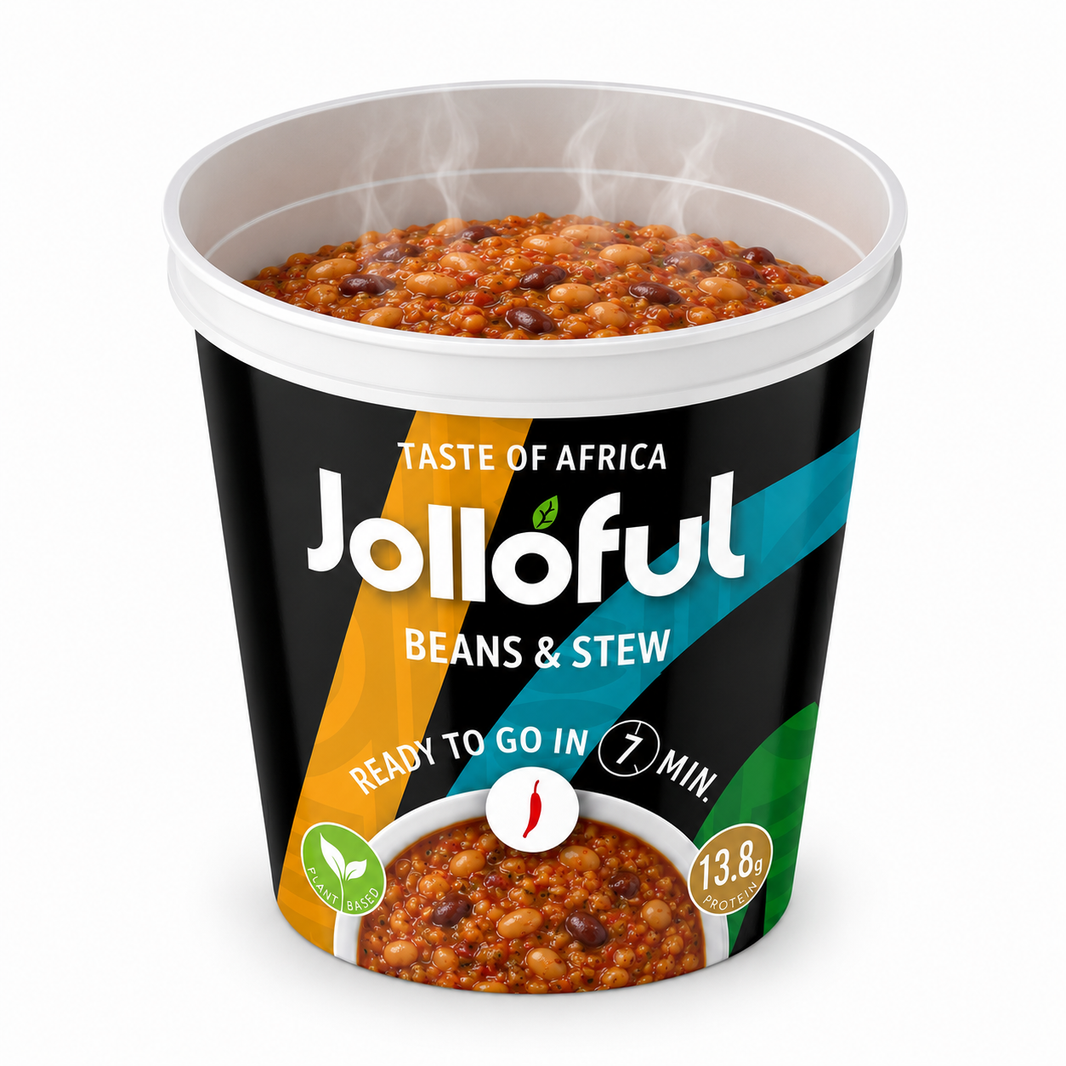
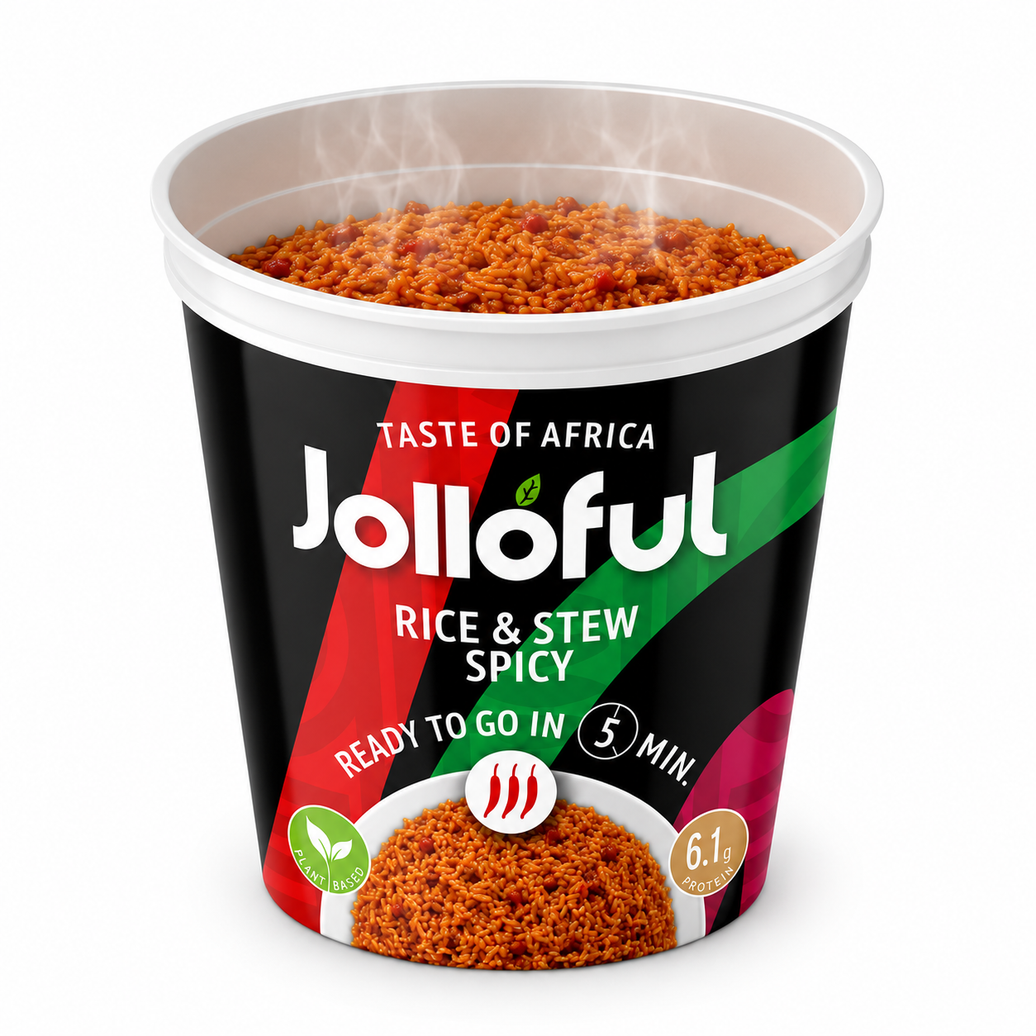
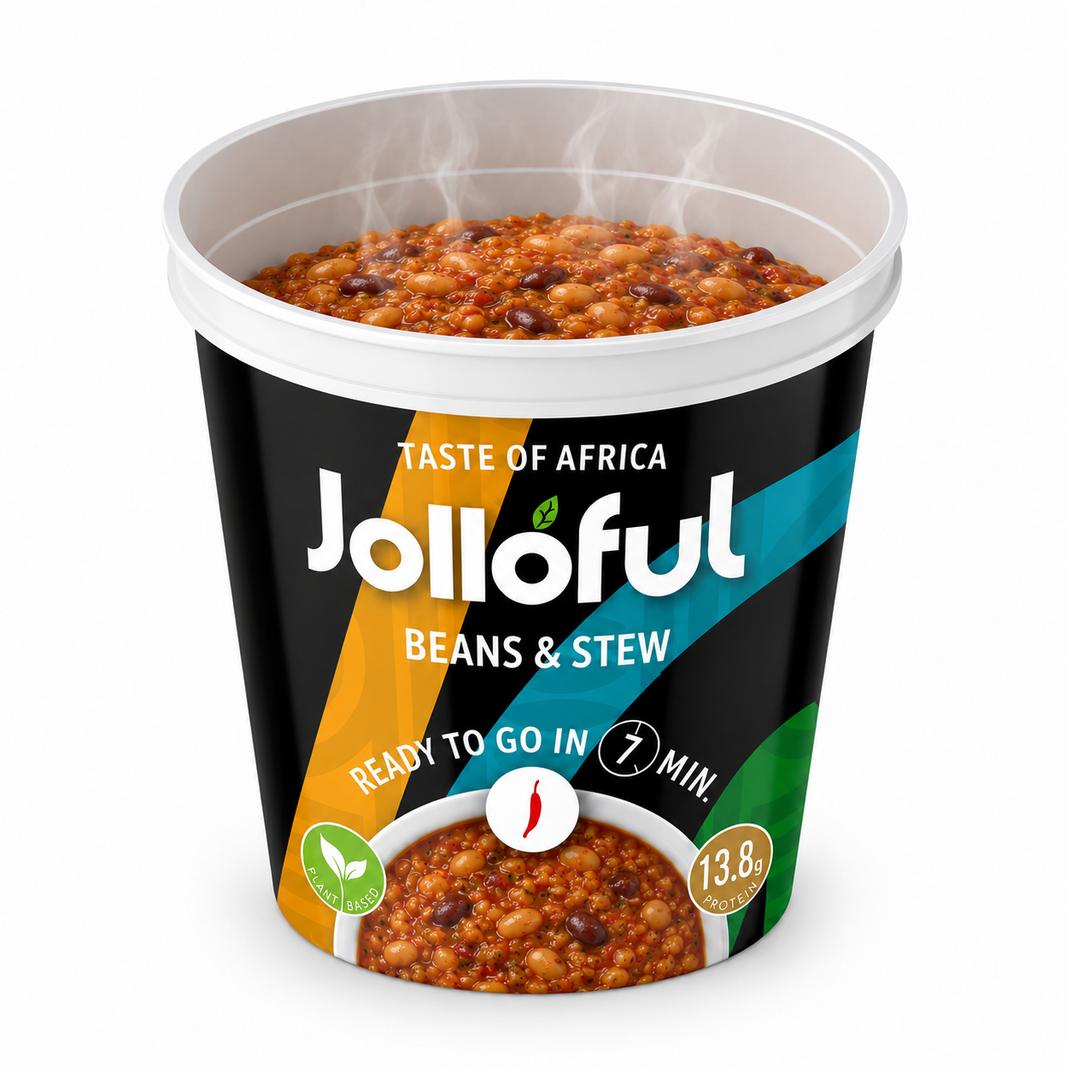
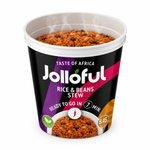
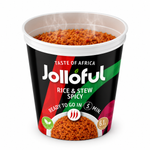

Order your 8-pack / 12 pack box today
A meal that waits patiently in your cupboard can be a small act of self-respect on a busy day. No emergency supermarket run. No settling for something bland just because time is short. But what makes food shelf stable and how can it still taste like real food with real character?
The answer is not simply loading a recipe with preservatives. Shelf stability comes from controlling the conditions that spoil food: mainly moisture, microbes, oxygen and temperature. Get that balance right and a flavourful meal can stay safe and delicious at room temperature for months, ready when hunger calls.
What makes food shelf stable?
Shelf-stable food is food that can be safely stored unopened at ambient room temperature. It does not need a fridge or freezer to remain safe before opening. That is useful whether you are stocking a work drawer, packing for travel, building a reliable home cupboard or making dinner between meetings.
The key is preventing bacteria, yeasts and moulds from growing. Like us, microbes need the right environment to thrive. Take away enough available water, use heat effectively, create a protective pack or adjust a recipe's acidity, and their chances of multiplying drop dramatically.
It is a food-science question, but it is also a quality question. A long date means little if the food tastes flat, feels artificial or bears no resemblance to the dish it is meant to be. The best shelf-stable meals protect both safety and flavour.
Less available water, longer-lasting food
Water is the biggest factor in most shelf-stable foods. More precisely, it is not about the total amount of water in a recipe. It is about water activity - the water that microbes can actually use to grow.
Drying is one of the most effective ways to lower water activity. When ingredients are carefully dehydrated, enough moisture is removed to make microbial growth extremely difficult. Add hot water later and the ingredients rehydrate, bringing back a satisfying texture and carrying those spices, herbs and aromatics into the finished meal.
That is why dried grains, pulses, vegetables and sauces can work so well in a fast meal format. They are light to store, practical to transport and ready in minutes. The method is not a shortcut around proper food. It is a way of preserving it for the pace of modern life.
Drying does involve trade-offs. Fresh herbs may lose some brightness, and certain ingredients can soften differently after rehydration. Good recipe development accounts for this. It layers ingredients that perform well after drying, balances seasoning carefully and gives the food enough time with hot water to wake up fully.
Heat plays a different role
Heat treatment is another major tool. Depending on the product, cooking, pasteurising or sterilising can reduce or destroy microorganisms before the food is sealed. This matters especially for wet, ready-to-eat products, where drying alone is not the preservation method.
Heat must be matched to the recipe and packaging. Too little may not deliver the required safety margin. Too much can dull delicate flavours or change texture. The goal is controlled processing, not cooking food into submission.
For dehydrated meals, ingredients are typically cooked and prepared before drying. That means the hot water at home is primarily rehydrating and heating the meal, rather than turning raw ingredients into dinner from scratch.
Packaging keeps the hard work intact
A well-made shelf-stable meal can be undone by poor packaging. Once food has been dried or heat-treated, it needs protection from the outside world - especially moisture, air, light and contamination.
Moisture is the enemy of a dry meal. If humidity gets into the pack, dry ingredients can clump, lose their intended texture and become more vulnerable to spoilage. Barrier packaging helps keep that moisture out and preserves the conditions created during production.
Oxygen matters too. It can gradually affect flavour, colour and fats, causing food to taste stale or rancid. Some packs use low-oxygen conditions or oxygen absorbers to slow those changes. Light can also degrade certain flavours and nutrients, which is why opaque packaging is often more than a design choice.
A sealed pack is only as good as its seal. Tiny faults can shorten shelf life, so reputable producers test packaging integrity and set storage guidance based on real product trials. Keep unopened food somewhere cool, dry and out of direct sunlight, rather than beside a radiator or in a damp cupboard.
Recipe design does some of the preserving
Salt, sugar and acidity have preserved food for generations. They work because they make the environment less friendly to spoilage organisms. Think of tangy pickles, fruit preserves and cured foods. In modern food production, these principles still matter, although they are used with more precise testing and process controls.
A lower-pH food, meaning a more acidic one, makes it harder for many harmful bacteria to grow. Salt and sugar bind some of the available water, helping to reduce water activity. Spices can contribute flavour and may have natural antimicrobial properties, but they are not a substitute for a validated preservation process.
This is where balance matters. A shelf-stable meal should not be aggressively salty or sugary just to achieve a longer date. Smart formulation combines several approaches - drying, heat, packaging and recipe balance - so no single ingredient has to do all the work.
That approach also leaves room for food with personality. Bold pepper, savoury depth, warming spices and slow-building heat should still be present. Convenience should make flavour easier to reach, not water it down.
Shelf stable does not mean preserved with additives
There is a common assumption that every long-lasting food depends on artificial additives. It is understandable, but it is not always true. Preservation is a broad set of methods, and many shelf-stable foods rely on moisture control, heating and packaging rather than added chemical preservatives.
Read the label for the full picture. A short, recognisable ingredient list can be a positive sign, but food safety depends on the complete system: recipe, production standards, drying or heat treatment, packaging and storage instructions. “No added preservatives” does not mean no preservation took place. It means the product uses other ways to stay stable.
For Jolloful, that distinction matters. Fast African meals should feel like a proper meal choice, not a compromise hidden behind a long list of unfamiliar extras. Real ingredients and cultural flavour belong in the cupboard as much as they belong at the table.
What to look for in a shelf-stable meal
A good shelf-stable option should make your life easier without asking you to lower your standards. Start with the ingredient list. Look for ingredients you recognise and a recipe that sounds like food, not a chemistry experiment.
Then consider preparation. A meal that needs only hot water and a few minutes can be genuinely useful, but clear instructions are essential. The stated standing time is part of the recipe, so do not rush it. Stirring well and covering the meal while it rehydrates can make a noticeable difference to texture and flavour.
Check the best-before date and the condition of the pack. Do not use packaging that is torn, swollen, leaking or damaged. Once opened or prepared, shelf-stable rules no longer apply in the same way. Eat the meal promptly, and follow any on-pack guidance for leftovers.
It also helps to be realistic about what you are buying. Shelf-stable food is designed for convenience and reliability, not to replicate every quality of a meal cooked slowly from fresh ingredients that same evening. The best products make that trade-off feel worthwhile: they deliver satisfying texture, unmistakable flavour and a meal you are happy to eat on an ordinary Tuesday.
A smarter cupboard starts with choice
Shelf stability is not about food that merely survives. Done well, it is about food that holds its flavour, respects your time and stays ready for the moments when a proper meal needs to happen quickly.
Keep a few options that bring genuine comfort and excitement to the cupboard. Your future self - tired, busy and hungry - deserves more than an uninspired backup plan.


Hinterlasse einen Kommentar