
If your only reference point for instant food is a salty cup of noodles eaten at a desk, the question can instant food taste authentic probably sounds optimistic at best. But that says more about what the category has become than what it could be. Fast food is not automatically fake food, and shelf-stable is not the opposite of real flavour.
For people who grew up with deeply seasoned home cooking, authenticity is not a marketing flourish. It is memory, technique, aroma and balance. For people discovering African meals for the first time, it is the difference between a dish that feels alive and one that feels flattened into a generic "ethnic" version of itself. So the real question is not whether instant food can ever be authentic. It is what has to happen for it to earn that claim.
What authenticity really means in instant food
Authenticity is often treated as a mystical quality, but in food it is usually more practical than that. It comes from the right building blocks, the right flavour logic and a clear respect for the dish being made. A convenient meal can still carry cultural truth if it keeps hold of those essentials.
That means the taste has to make sense. Heat should feel intentional, not harsh. Savouriness should come from actual ingredients and cooking decisions, not just a heavy hand with salt or flavouring powder. Texture matters too. If a dish that should feel rich, layered or hearty turns thin, mushy or one-note after five minutes with hot water, something has been lost.
Authenticity also depends on what the product is trying to imitate. Many instant meals fail because they chase the broadest possible version of a cuisine. They round off the spice, flatten the seasoning and remove the ingredients that give a dish its character. The result is convenient, but culturally vague.
Can instant food taste authentic if it is shelf-stable?
Yes, but not by accident. Shelf stability is a technical achievement, not a flavour identity. It simply means the food has been prepared and packaged in a way that extends its life without refrigeration. Whether it still tastes authentic depends on the recipe design and the quality of the ingredients before that packaging ever happens.
There is a lazy assumption that long shelf life always means preservatives, artificial colour and compromised taste. That is often true in low-end convenience food, but it is not a rule. Drying, careful moisture control and smart packaging can preserve food without stripping it of its character. If the underlying dish is built properly, shelf stability can support convenience rather than sabotage flavour.
This is where instant meals tend to split into two camps. One camp builds around cost first and taste second. That is where you get the bland starches, powdered sauces and fluorescent shortcuts. The other camp starts with the dish itself and works backwards, asking how to preserve its core qualities in a format that suits modern life. That second approach takes more care, and usually better ingredients, but it is the only route to something that still tastes rooted.
Why so much instant food tastes fake
Most instant food has trained people to expect very little. The category has been shaped by speed, low price and mass appeal, which usually means taking flavour out rather than putting flavour in. The dish gets simplified until it can offend no one and excite almost no one either.
A lot of products also rely on what could be called flavour theatre. They smell strong when you open the pack, but the taste disappears after two bites. You get salt, a bit of synthetic sweetness, maybe some surface-level spice, yet no depth underneath. That is not authenticity. That is performance.
Another problem is ingredient hierarchy. If the main components are cheap fillers and the defining ingredients of the dish appear only in trace amounts, the final result cannot carry the identity of the original meal. You can print bold cultural cues on the packaging, but the palate notices when the food itself does not follow through.
What makes an instant meal feel genuinely rooted
The first marker is a recipe with a point of view. Authentic food does not usually taste hesitant. It knows where the heat should sit, where the savoury notes should land and what ingredients are non-negotiable. A good instant version keeps that confidence.
The second is ingredient integrity. Real vegetables, recognisable grains, proper spice blends and clean labels matter because they shape how flavour develops. When a product avoids artificial colour and unnecessary additives, it gives the dish more room to taste like itself rather than like the factory it came from.
Technique matters just as much. Some foods rehydrate beautifully when designed for it. Others need a format tweak to survive the journey from cooked dish to shelf-stable meal. The brands that get this right are not trying to force every recipe into the same mould. They understand how different ingredients behave, how seasoning blooms in hot water and how to keep texture from collapsing.
That is why a well-made meal cup can surprise people. It is not pretending to be a restaurant plate served fresh from the pot. It is doing something different - delivering a fast, portable version that still respects the original dish enough to keep its soul intact.
Can instant food taste authentic in African cuisine?
It can, and that matters more than ever. African food has too often been excluded from the convenience conversation unless it is reduced, watered down or misunderstood. For diaspora households, that creates a familiar frustration: plenty of quick options on the shelf, very few that taste like home. For curious first-time eaters, it creates a false impression that African food is either inaccessible or only available through a full cooking project.
Neither should be true. African cuisine deserves the same modern formats that other food cultures enjoy, without being stripped of its identity to fit them. A meal can be ready in minutes and still carry the boldness, warmth and layered seasoning people expect. In fact, convenience can expand access when it is done with respect.
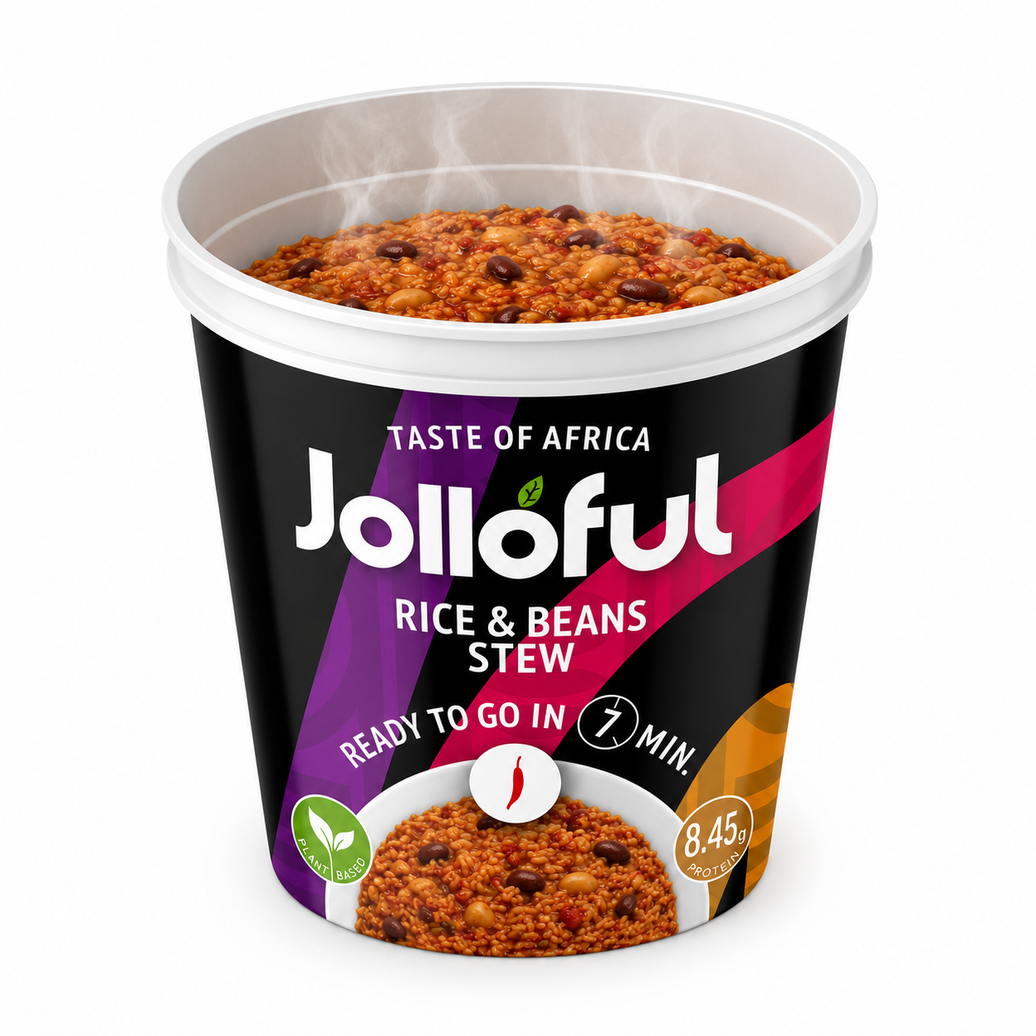
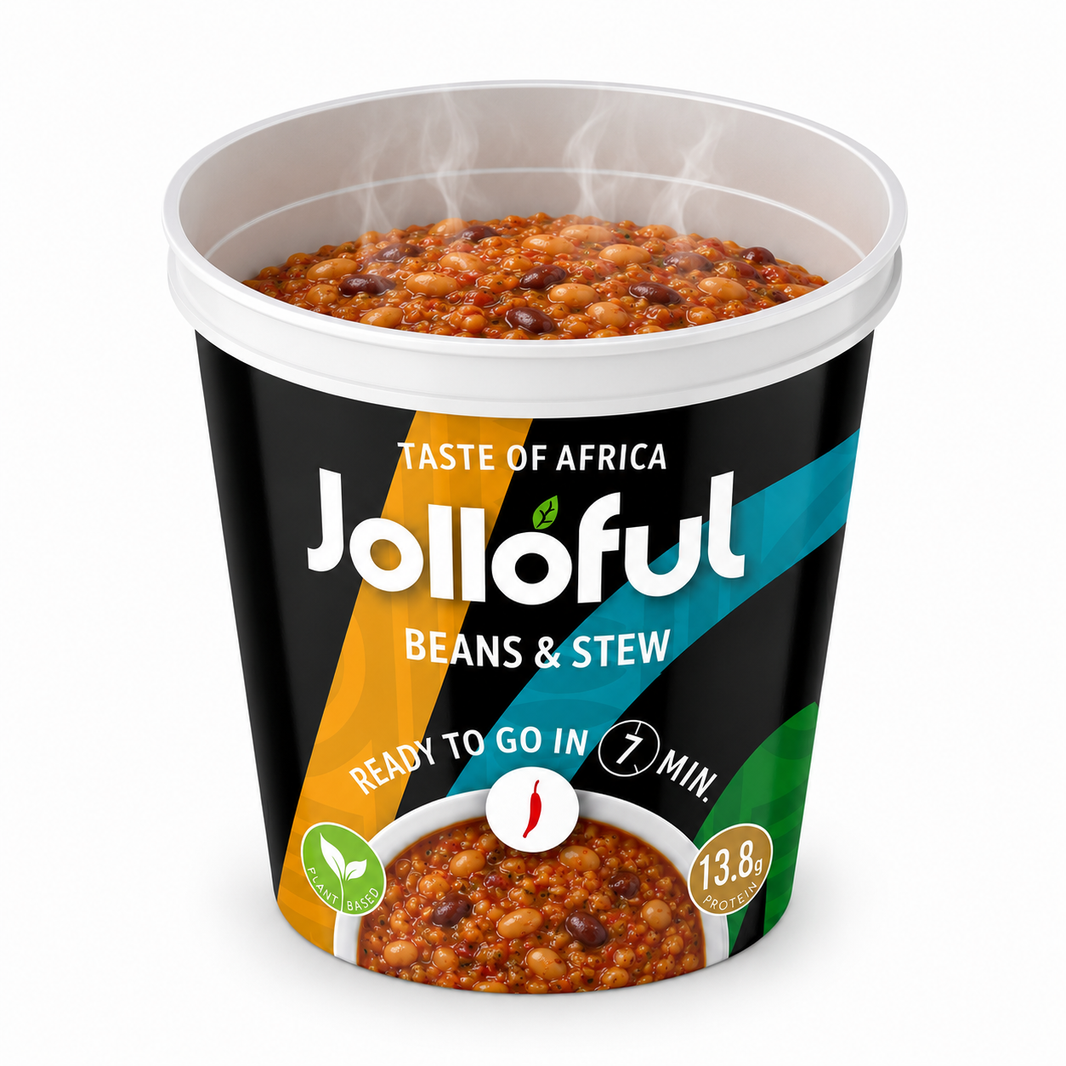
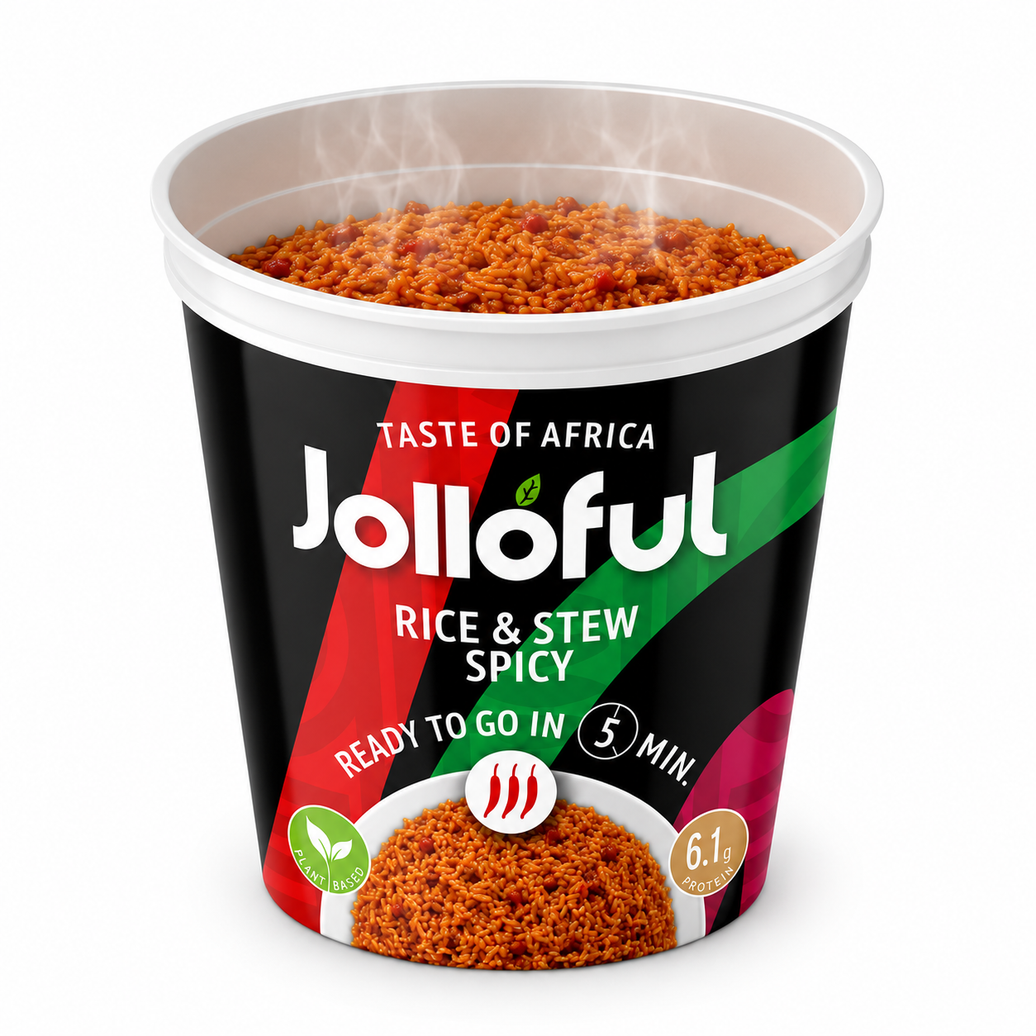
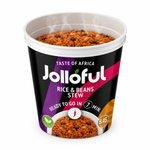
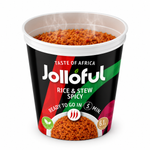
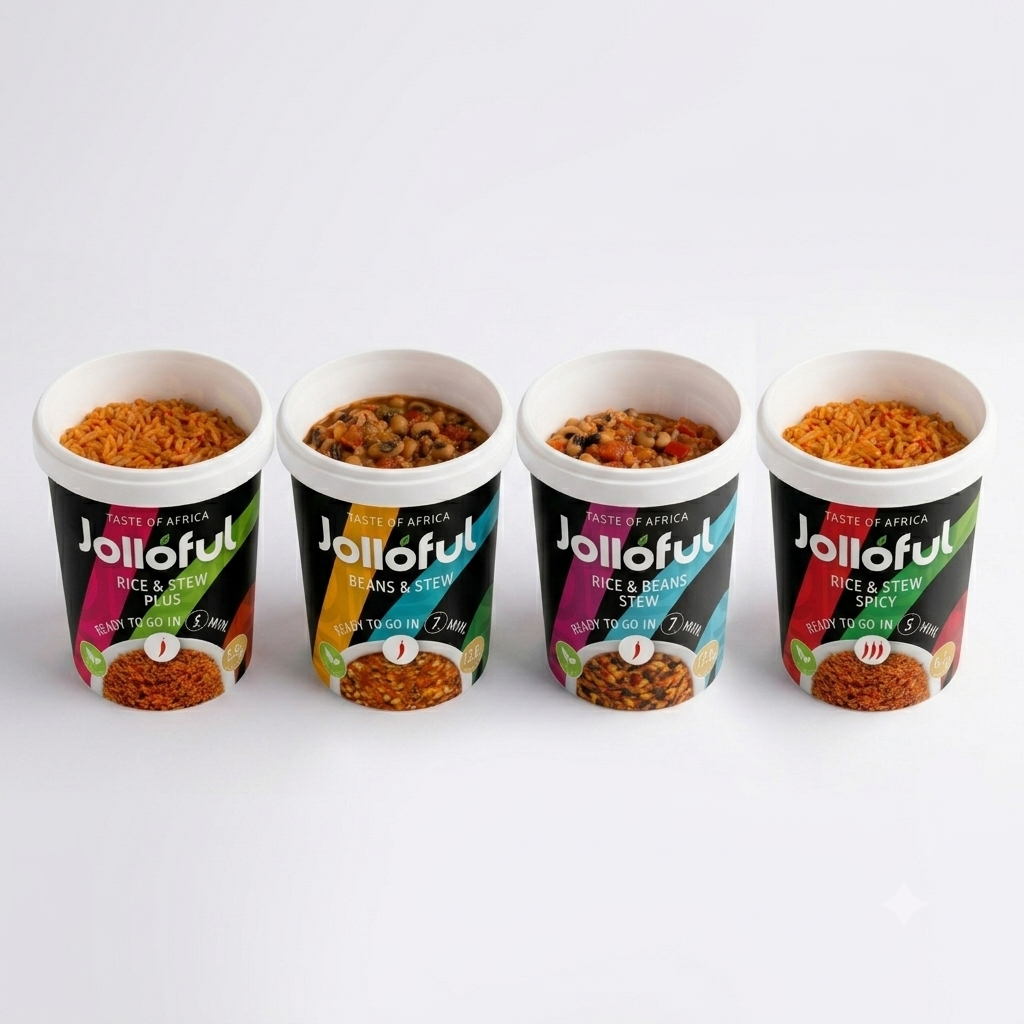
That is part of why brands like Jolloful stand out. They are not trying to squeeze African flavour into the tired instant-food formula. They are building from the cuisine outward - real ingredients, culturally rooted recipes and quick preparation that feels designed for modern life rather than detached from it.
The trade-off people should be honest about
Authentic instant food still involves compromise. Anyone claiming otherwise is overselling it. A shelf-stable meal prepared in six minutes will not replicate every nuance of a slow-cooked dish made from scratch over an afternoon. Some textures will behave differently. Some aromas will land in a slightly different order. Freshness has its own magic.
But that does not mean the result is inauthentic. It means authenticity exists on a spectrum shaped by context. A homemade dish and a carefully designed instant version can both be true to the same culinary identity while delivering different experiences. One offers ritual and time. The other offers speed and access.
For busy professionals, students and parents, that distinction matters. The alternative is often not a lovingly cooked meal from scratch. It is skipping lunch, ordering something forgettable or eating another bland standby that fills space without offering pleasure. In that real-world context, a culturally grounded instant meal is not a compromise on meaning. It is a smarter option.
How to tell if an instant meal is likely to taste authentic
Look past the front-of-pack promises and pay attention to signals that actually matter. Does the ingredient list sound like food or chemistry? Is the spice profile specific or vague? Does the product talk about the dish with confidence, or does it hide behind broad language like "inspired by" and "style"? Those small clues reveal whether a brand is serious about flavour or simply borrowing cultural cachet.
It also helps to notice what the meal is not trying to be. The best products in this space are not chasing the cheapest corner of convenience. They are not trying to mimic generic instant noodles with a new label slapped on top. They are solving a different problem: how to make real food fit a faster schedule.
That is the shift many consumers have been waiting for. Convenience used to mean settling. Now it can mean choosing better - better ingredients, better flavour, better cultural representation and a better fit for daily life.
So, can instant food taste authentic? Absolutely. But only when authenticity is treated as the starting point, not the sales line. If the recipe is rooted, the ingredients are real and the flavour still carries the character of the original dish, speed does not have to dilute identity. It can simply make good food easier to reach on the days you need it most.


Hinterlasse einen Kommentar