
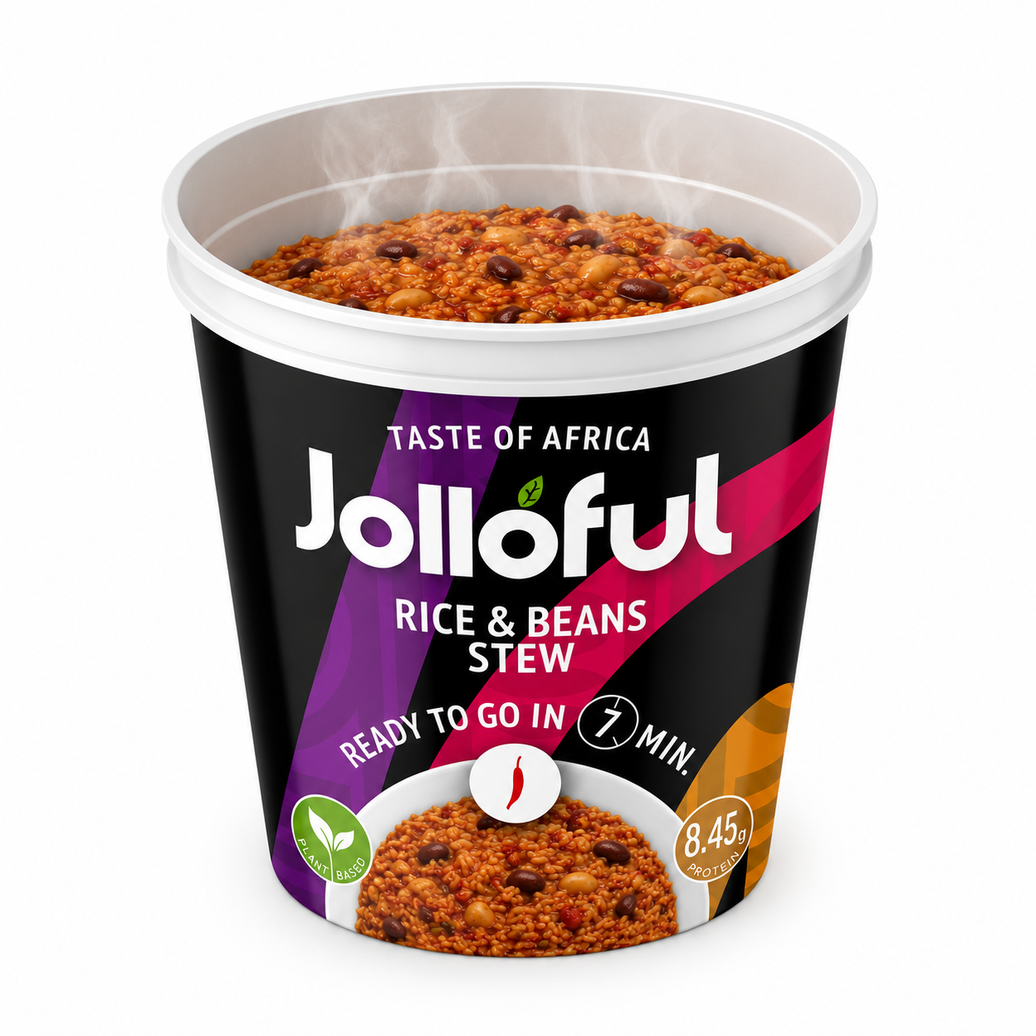
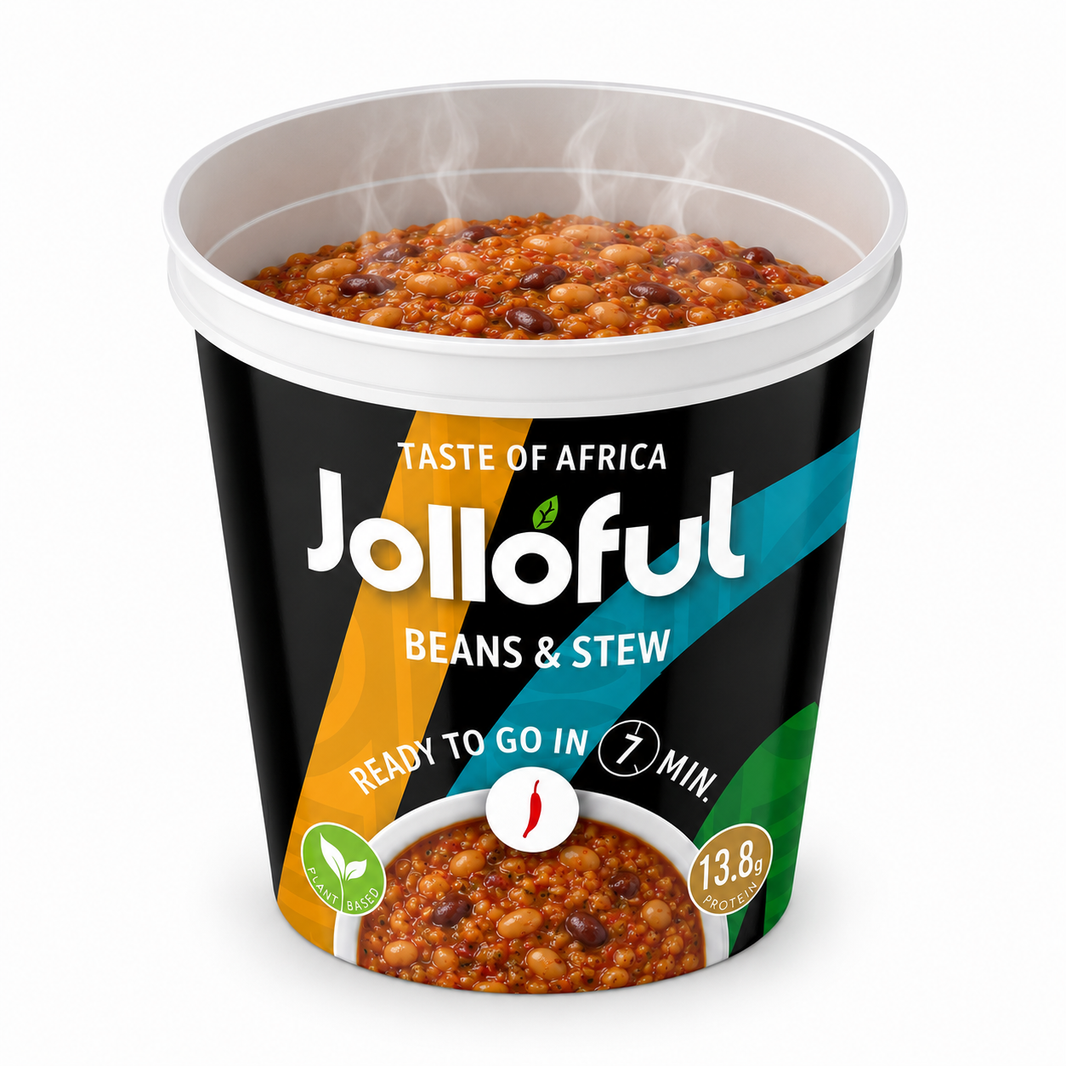
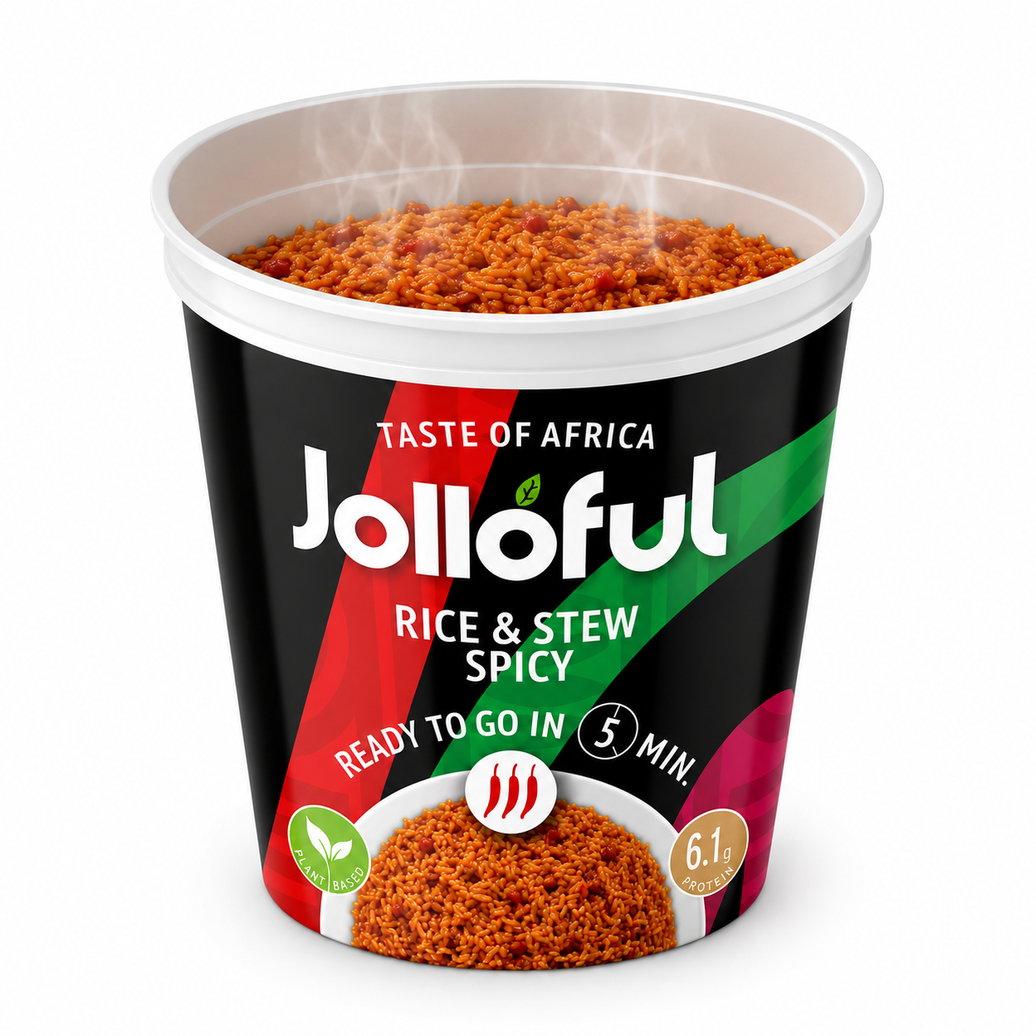
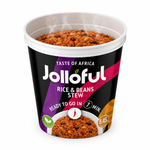
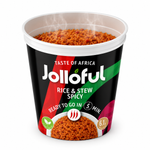

Order your 8-pack / 12 pack box today
A good guide to instant grain meals should begin with one standard: quick food still has to taste like food. A meal ready in minutes can be deeply seasoned, properly satisfying and rooted in real culinary tradition. Convenience is not the problem. Blandness, vague ingredients and flimsy portions are.
For busy days, shelf-stable grain meals earn their place in the cupboard. They travel well, wait patiently for the days when cooking from scratch is not happening, and turn hot water into something far more substantial than a snack. The best ones bring character to the table, not just calories.
What makes an instant grain meal worth eating?
Grains have fed communities across Africa, Asia, Europe and the Americas for centuries because they are versatile, filling and brilliant at carrying flavour. In a well-made instant meal, that same strength matters. The grain should have enough body to hold its shape, while the seasoning should reach every bite rather than sit in a salty puddle at the bottom.
Start with the ingredient list. You should be able to recognise the essentials: grains, pulses or vegetables, herbs, spices, oils and seasonings. A shorter list is not automatically better, but it should make sense. Artificial colours and a long list of additives are often doing work that careful recipe development should have done instead.
Texture is another quiet test of quality. Some grains are naturally softer after rehydrating, while others stay more separate and nutty. Neither is wrong. What matters is whether the finished bowl feels intentional, not powdery, gluey or oddly dry. A five-minute meal does not need to mimic a slow-cooked family feast perfectly, but it should respect the ingredients enough to give them a proper bite.
Then there is flavour. Look for meals built around a clear point of view: warming pepper, savoury tomato, fragrant spices, smoky depth, bright herbs or a rich pulse base. If a product promises African flavours, it should not flatten them into a vague idea of “exotic”. African food is not one flavour profile, one ingredient or one story. The continent holds an extraordinary range of cuisines, and the best convenient meals are specific about the traditions and tastes that inspire them.
A guide to instant grain meals for real-life schedules
The appeal is simple: hot water, a few minutes, and lunch is handled. But the right choice depends on when and how you plan to eat it.
For desk lunches, choose a meal that is complete on its own and easy to prepare in its own pot or bowl. You want a reliable portion with enough grain, vegetables and protein-rich ingredients to see you through the afternoon. A meal that leaves you hunting for biscuits at 3pm has missed the brief.
For commuting, travel or a late night at home, shelf stability matters as much as speed. Keeping a few options in a drawer, work locker or kitchen cupboard removes the pressure to order something forgettable when time is tight. All you need is hot water and a spoon.
For households, variety matters. Keep different spice levels and flavour profiles available so everyone is not eating the same thing on repeat. A mild, savoury option may suit one person, while another wants a proper kick of chilli. This is not fussiness. It is how meals become a useful habit rather than emergency food.
A practical instant grain meal should also be honest about its preparation. Follow the water line or measurements, stir thoroughly and give it the full resting time. Rushing that final minute is often why a meal seems uneven. The grains need time to absorb moisture and the spices need time to bloom.
The difference between filling and genuinely satisfying
A grain meal can look modest before it is prepared, then become surprisingly substantial once hydrated. That is useful, but satisfaction is about more than volume.
Fibre-rich grains and pulses can help a meal feel sustaining, while vegetables and aromatics create contrast and depth. A little heat can wake up the palate. Good seasoning makes simple ingredients feel generous. These are the details that turn a fast lunch into a moment you actually look forward to.
There is a trade-off, of course. The quickest products are not always the most layered, and a shelf-stable meal cannot deliver the same fresh crunch as food made straight from a market shop. Think of instant grain meals as their own category, not a lesser copy of restaurant cooking. Their strength is dependable flavour and genuine convenience, ready when fresh cooking is out of reach.
That distinction matters for people who have been trained to expect very little from instant food. A fast meal can still be made with care. It can carry the warmth of familiar spices, introduce someone to a new regional flavour, or offer a small taste of home between meetings and school runs.
How to make a quick bowl feel even more like yours
Instant grain meals are designed to stand alone, but small additions can take them in different directions when you have an extra minute. Add sliced avocado or a fried egg for richness. Stir through fresh spinach, chopped tomatoes or leftover roasted vegetables for colour and freshness. A spoonful of plain yoghurt can soften a spicy bowl, while extra chilli, fresh herbs or a squeeze of lemon can make it brighter.
The key is not to overcomplicate it. If preparing lunch becomes a ten-step project, the meal has lost its advantage. One simple addition is usually enough.
For a more substantial evening plate, serve the prepared grains alongside grilled fish, chicken, tofu or beans. This works especially well if you are feeding more than one person and want a flavourful base without starting from zero. Treat the instant meal as a shortcut with standards, not an apology.
Read the pack with confidence
Packaging makes a lot of promises. “Natural”, “wholesome” and “world flavours” can sound appealing without telling you much. Look past the front-of-pack language and ask a few direct questions.
What is the main ingredient? Is there a meaningful amount of grain, pulse or vegetable in the meal? Does the flavour come from named spices and real ingredients, or mostly from generic flavourings? Is the portion presented honestly? And crucially, does the recipe sound like something you would be pleased to eat more than once?
Salt can be worth checking too, particularly if you eat ready-made meals often. You do not need to fear seasoning - food should taste good - but it helps to know what is in your regular rotation. Balance comes from the whole cupboard, not perfection in a single pot.
Cultural credibility deserves attention as well. Authenticity is not a costume or a marketing font. It comes from recipes developed with knowledge, ingredients treated with respect and flavours that are allowed to be bold. A brand does not need to make food inaccessible to be true to its roots. In fact, making culturally grounded food easier to enjoy is one powerful way to give it the everyday space it deserves.
Build a better convenience cupboard
The strongest cupboard is not stocked with one kind of meal. Mix instant grain options with tinned beans, frozen vegetables, eggs, nuts, sauces and fresh fruit. That gives you flexibility without demanding a full weekly meal plan.
Keep a couple of meals for rushed lunches, a few for late arrivals home and at least one flavour you are excited to eat. Rotate what you buy so convenience stays enjoyable. A shelf-stable meal should save time, not make eating feel repetitive.
For diaspora households, these meals can also answer a familiar need: something fast that still speaks the language of home. For newcomers to African cuisine, they offer an easy first step without needing specialist shopping or advanced cooking skills. Both are valid reasons to make room on the shelf.
The best instant grain meals do not ask you to lower your expectations because you are busy. They meet you where life is moving quickly, then bring real flavour, real ingredients and cultural confidence with them. Keep one close for the days that need feeding properly.


Hinterlasse einen Kommentar