
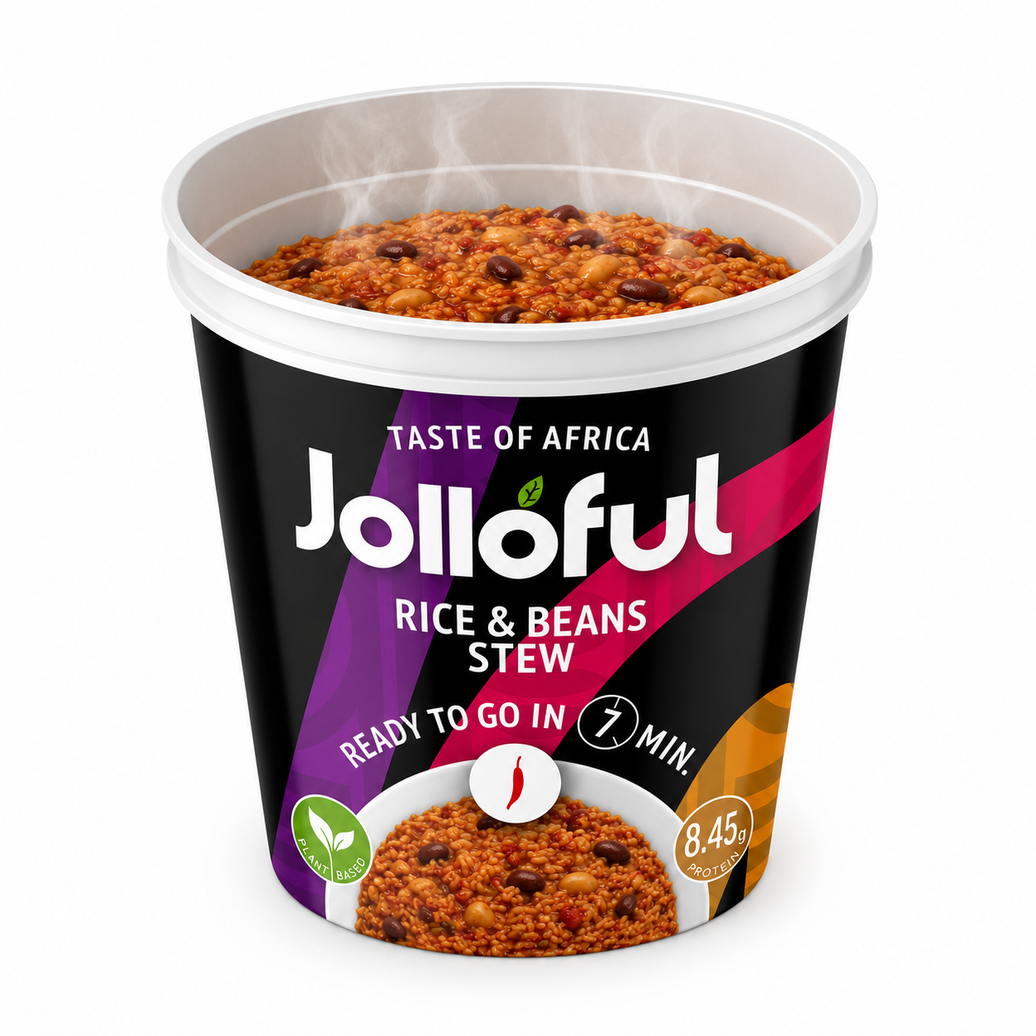
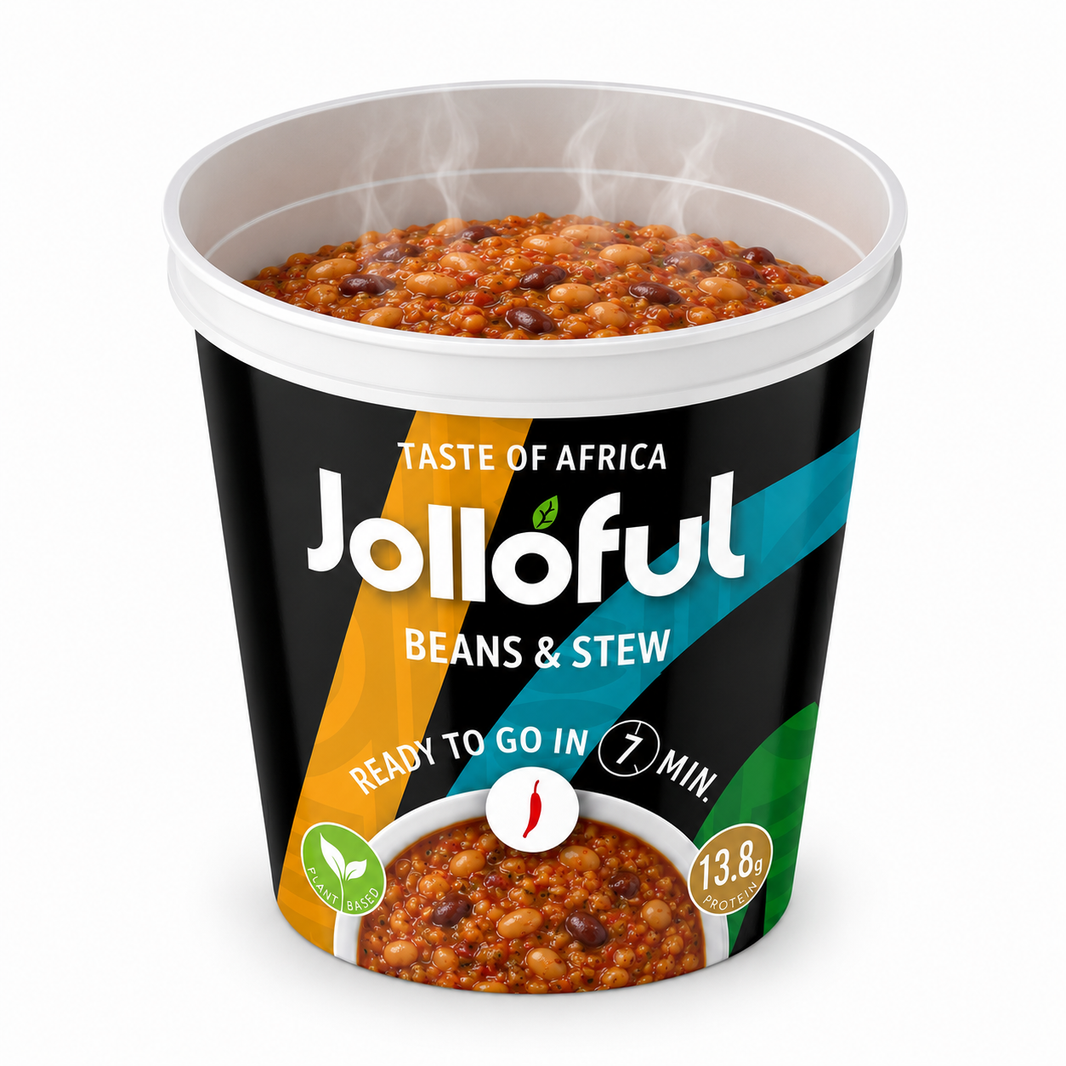
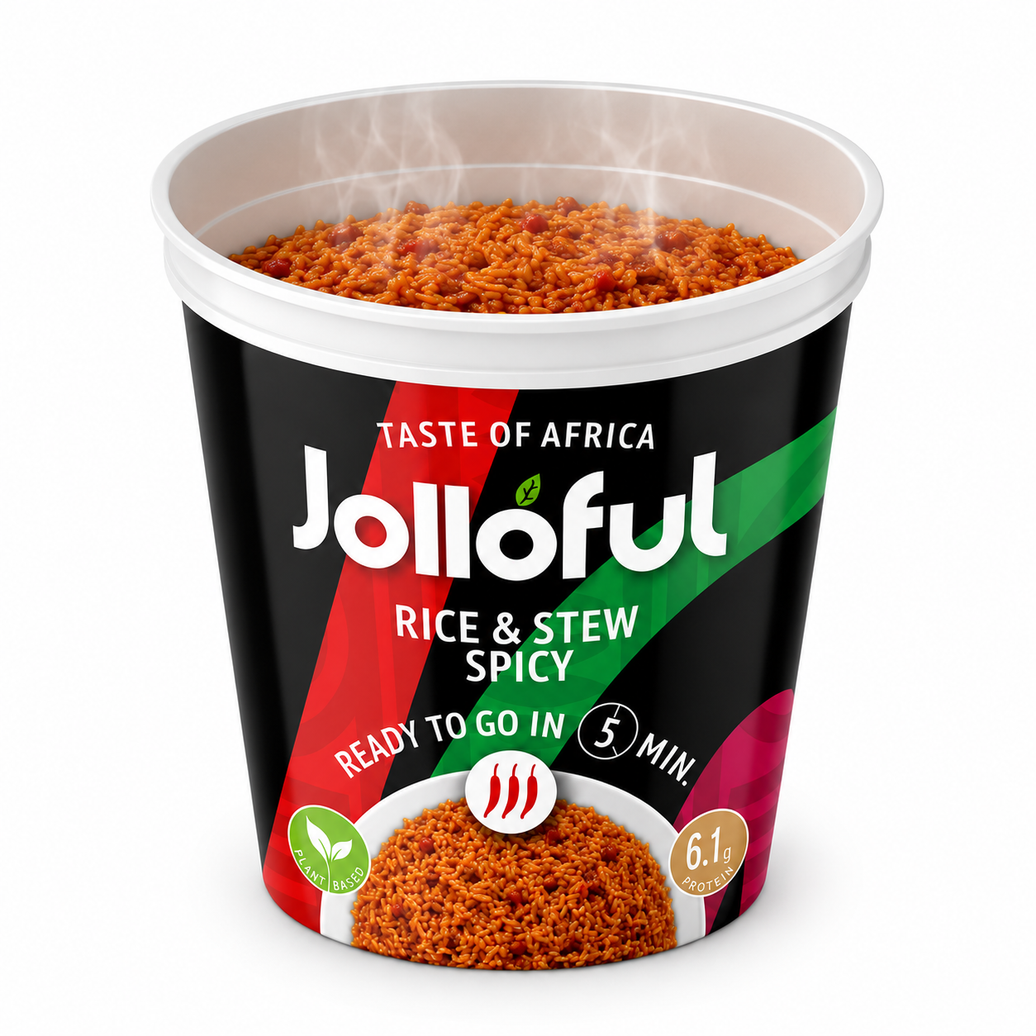
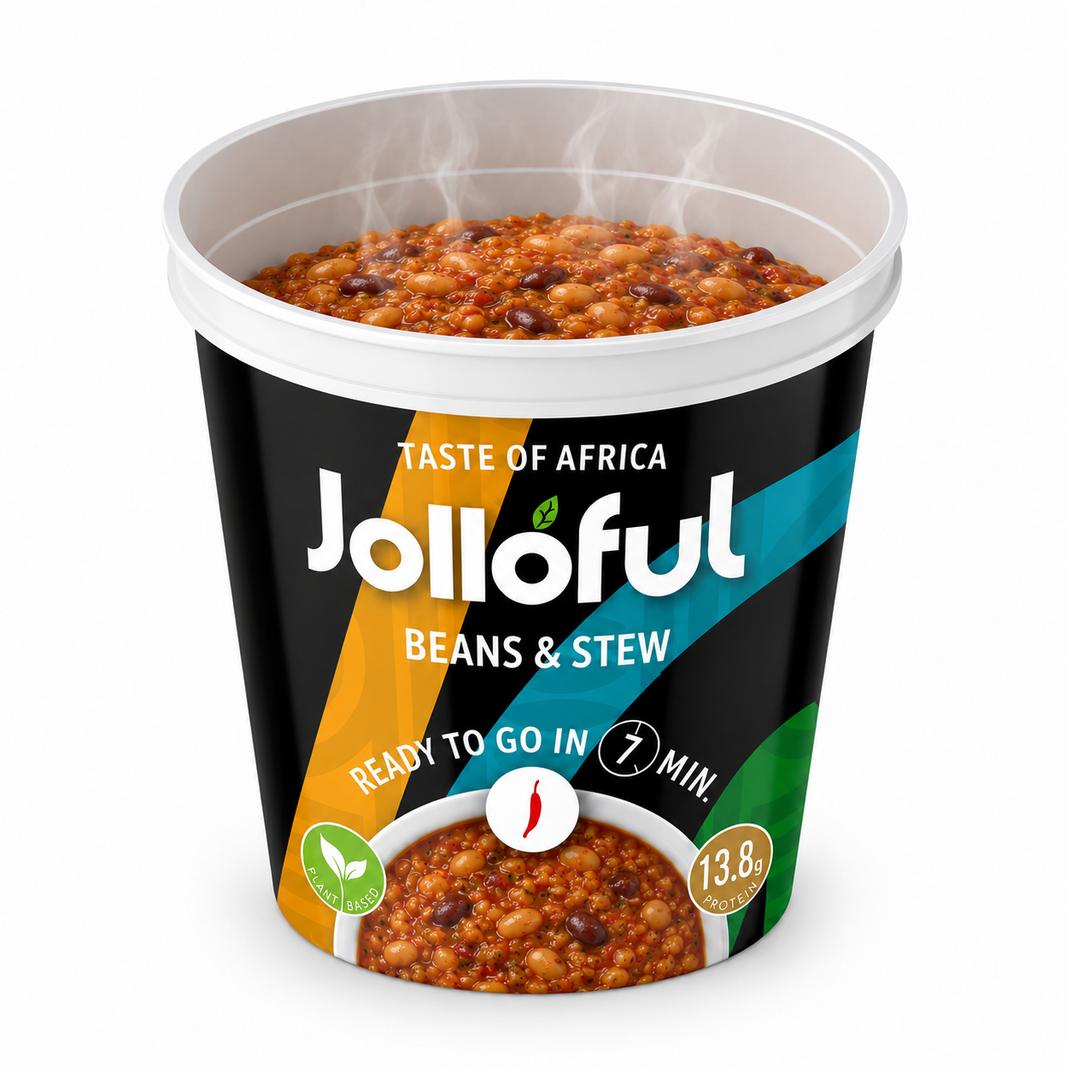
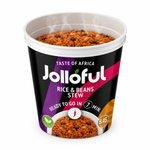
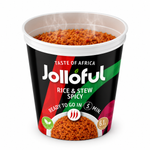

You can tell a lot about a convenience meal in the first three bites. With a jollof rice cup review, that matters even more, because nobody comes to jollof looking for something flat, forgettable or vaguely tomato-flavoured. The bar is higher. Jollof is meant to show up with character - rich tomato depth, proper seasoning, warmth from chilli, and rice that still feels like food, not filler.
That is exactly why jollof rice cups are getting attention from busy shoppers who want dinner fast but are tired of the same old instant options. For diaspora households, there is also another question in the background: does it feel familiar, or does it feel like a shortcut that lost the plot? For first-time buyers, the question is simpler: is this actually good, or just convenient?
What a jollof rice cup review should really judge
A fair review cannot stop at speed. Plenty of meals are quick. That alone is not impressive. A proper jollof rice cup review should look at five things together: flavour, texture, ingredient quality, spice balance and whether the meal respects the dish it is borrowing from.
That last point matters. Jollof is not just rice in red sauce. It carries regional pride, home memories and a very clear expectation of depth. If a cup meal gets the colour right but misses the flavour base, people notice immediately. If it leans too hard into convenience and starts tasting synthetic, the whole promise falls apart.
On the other hand, shelf-stable food has limits. Nobody sensible expects a cup meal to behave exactly like a fresh pot made from scratch on a Sunday afternoon. The better question is whether it delivers a credible, satisfying version of jollof for modern life - lunch at work, late study sessions, travel, quick suppers, or the evening when cooking from zero is simply not happening.
Taste first: does the flavour carry real jollof energy?
The strongest jollof rice cups get the tomato base right. That means savoury depth instead of sweetness, proper seasoning instead of plain salt, and a chilli warmth that builds rather than attacks. Good versions taste layered. You notice tomato, pepper, onion and spice working together, not just a generic red sauce coating the rice.
This is where many convenience foods fail. They assume bold colour can substitute for bold flavour. It cannot. A decent jollof cup should taste cooked, not assembled. It should have enough intensity to hold your attention even without sides, because many people will eat it exactly that way - from the cup, at a desk, on a train, between meetings.
Spice is slightly more subjective. Some buyers want proper heat. Others want just enough to keep it lively. The best products aim for balance rather than bravado. Too mild and it feels sanitised. Too hot and it stops being versatile. For a broad UK and European audience, a medium heat usually makes the most sense, especially if the seasoning still feels distinctly West African rather than watered down for comfort.
Texture can make or break the whole cup
Rice texture is the deal-breaker. You can forgive a small shortfall in heat or depth more easily than you can forgive mush. If the grains collapse into a paste after adding water, the product loses credibility fast.
A good jollof rice cup should rehydrate evenly and keep some separation between grains. It does not need the exact finish of stove-cooked rice, but it should still feel intentional. The rice should be tender, not soggy, and the sauce should cling without turning the meal into a thick porridge.
Preparation matters here. Even a strong product can disappoint if the water level is wrong or if it sits too briefly. Most cup meals need the full resting time. Rushing the process tends to leave harder grains at the top and over-soft rice at the bottom. That is not always the cup's fault, but it does affect the eating experience.
Ingredients matter more than convenience brands used to admit
People are reading labels now. They want to know whether a quick meal is built from recognisable ingredients or padded with additives, artificial colour and the usual ultra-processed shortcuts. That shift has changed the standard for what counts as acceptable convenience food.
In this category, cleaner labels make a real difference. When a jollof rice cup uses real tomato, spices and dehydrated vegetables instead of relying on flavour tricks, the result usually tastes more honest. You can tell. The flavour lands in a more natural way, and the meal feels closer to real food than to a packet experiment.
That does not mean every shelf-stable cup needs to be positioned as health food. It simply means buyers no longer want to trade authenticity for speed. If a product offers both, it stands out quickly. That is one reason culturally rooted convenience meals are growing beyond niche diaspora shopping and into mainstream baskets.
Who will actually enjoy a jollof rice cup?
The answer depends on what you expect from it. If you want a fast, flavour-led lunch that is ready in minutes and travels well in a cupboard or office drawer, this format makes obvious sense. It is also useful for students, parents managing packed evenings, and anyone who wants a shelf-stable meal that feels more alive than instant noodles.
For African diaspora buyers, the appeal can be practical and emotional at the same time. A cup will never replace a family pot, but it can still offer something valuable - familiar flavour when time is short, when ingredients are not on hand, or when you are living far from the foods you grew up with.
For curious first-time buyers, a cup is a low-pressure way in. No big shopping list. No long recipe. No uncertainty about where to start. You get an introduction to jollof in minutes, which matters in markets like the UK, Germany and Ireland where interest in African food is rising but access is still uneven depending on where you shop.
The trade-off: authenticity versus portability
This is the part worth saying plainly. Every convenience format involves compromise. A sealed cup that sits happily on a shelf cannot reproduce every nuance of fresh cooking. Smokiness, layered aromatics and the exact texture of pot-cooked rice are harder to capture in this format.
But that does not make the format lesser by default. It just means the benchmark should be realistic. The right question is whether the cup keeps enough of jollof's identity intact while solving a real modern problem. For many people, that answer will be yes.
In fact, portability changes the value of the meal. Jollof that can live in a work bag, office cupboard or uni kitchen is doing something homemade jollof cannot do. It extends access. It puts culturally rooted food into moments where people would otherwise settle for something bland, beige and forgettable.
So, is a jollof rice cup worth buying?
If the product delivers strong seasoning, a credible tomato-pepper base, decent grain texture and a clean ingredient list, then yes - it earns its place. A good cup is not trying to impersonate a celebration dish. It is trying to give you real flavour, quickly, in a format that respects your time and your standards.
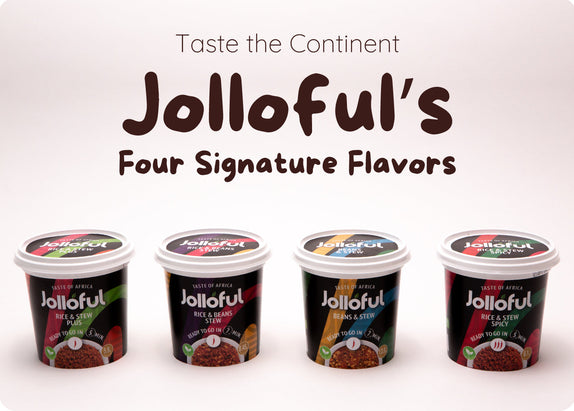
That distinction matters. The category works best when it refuses the old convenience-food logic that speed must mean compromise, artificiality and low expectations. That is why brands such as Jolloful are interesting in this space. They are not selling nostalgia dressed up as novelty, and they are not chasing the instant-noodle lane either. The stronger proposition is simpler: real food, rooted in culture, made for busy lives.
Final verdict in this jollof rice cup review
A jollof rice cup is worth it when it tastes like someone cared about the dish before they cared about the format. You want warmth, spice, tomato depth and rice with structure. You want convenience, yes, but not at the expense of identity. When a cup manages both, it becomes more than a backup meal. It becomes the sort of thing you keep around on purpose.
And that may be the most useful way to judge it. Not by asking whether it replaces homemade jollof, because it does not need to. Ask whether it rescues a busy day with flavour that still feels real. If the answer is yes, that cup has done its job very well.




Hinterlasse einen Kommentar