
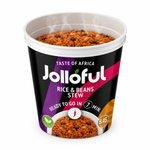
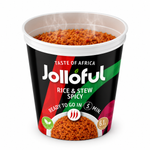
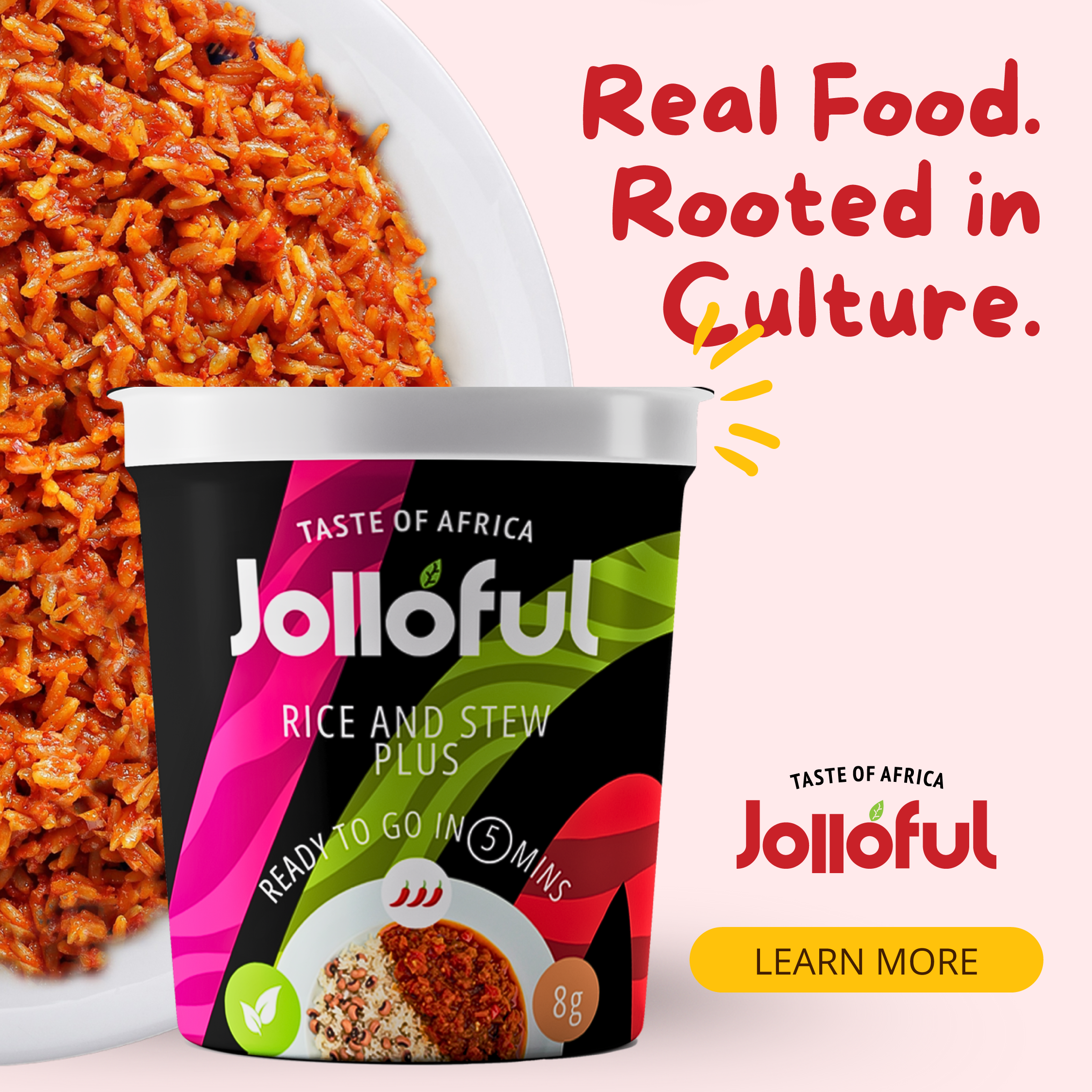
You do not need to choose between a proper meal and a practical one. That is the real appeal of meals with no preservatives. For busy people, students, parents, and anyone tired of bland beige convenience food, the question is not just whether a meal is quick. It is whether quick food can still feel honest, flavourful, and worth eating.
That question matters even more when you care about ingredients. Plenty of packaged foods talk a big game about being natural, clean, or wholesome, then hide behind vague claims and long ingredient lists. If you are shopping for convenience without compromise, you need more than front-of-pack promises. You need to know what meals with no preservatives actually are, how they stay shelf-stable, and what trade-offs are worth making.
What meals with no preservatives really mean
At its simplest, meals with no preservatives are foods made without added substances designed to extend shelf life by preventing spoilage, discolouration, or microbial growth. That sounds straightforward, but in real shopping life it gets murky fast.
A meal can be shelf-stable without added preservatives. It might rely on heat treatment, dehydration, sealed packaging, or low moisture content instead. Those methods are not a trick. They are legitimate food preservation techniques. The key distinction is whether the product depends on added chemical preservatives in the ingredient list, or whether it uses process and packaging to stay safe and stable.
That matters because many shoppers hear “shelf-stable” and assume “highly processed”. Sometimes that is fair. Sometimes it is lazy thinking. Shelf life is not the enemy. Poor ingredients, weak flavour, and low standards are the enemy.
Why people are choosing meals with no preservatives
The shift is not just about health headlines. It is about trust. When people read a label and recognise the ingredients, they feel more confident about what they are eating. That confidence matters when you are grabbing lunch between meetings, feeding your family after a long day, or stocking your cupboard for the week ahead.
There is also a taste issue. Meals overloaded with additives often have a flat, oddly uniform quality. They may last forever, but they rarely taste alive. By contrast, foods made with real spices, grains, vegetables, and sauces tend to have more character. That is especially true in cuisines where flavour depth comes from layered seasoning rather than artificial shortcuts.
For many African and diaspora households, this is also about dignity. Convenience food has too often treated cultural dishes as an afterthought - watered down, over-simplified, or stripped of the intensity that makes them what they are. Choosing better packaged meals is not only about avoiding preservatives. It is about expecting more from convenience.
How can a meal last without added preservatives?
This is where nuance matters. A lot of people assume that if a meal lasts on a shelf, something suspicious must be in it. Not necessarily.
Dehydration is one of the most effective methods. When water is removed, microbes have far less chance to grow. That is why dried grains, spice blends, powdered ingredients, and carefully prepared meal cups can remain stable for long periods.
Heat processing also plays a role. If ingredients are cooked and sealed properly, the packaging itself becomes part of the preservation method. Airtight containers help keep out moisture and contaminants. Combined with the right preparation process, that can create a product that is practical to store without relying on added preservatives.
There is a trade-off, of course. Not every fresh-style texture survives these methods equally well. Some foods rehydrate beautifully. Others lose something. That is why the best shelf-stable meals are designed for the format from the start, rather than trying to imitate a fridge meal badly.
What to check on the label
If you want meals with no preservatives, start with the ingredient list, not the front of the pack. Marketing language is easy. Ingredients are harder to fake.
Look for foods built from recognisable components - rice, grains, peppers, tomatoes, onions, herbs, spices, legumes, oils. A shorter list is not automatically better, but a clearer list usually is. If you see a product claiming simplicity while stacking up additives you cannot place, that is a sign to pause.
Then check whether the brand says no added preservatives or no artificial preservatives. Those phrases are close, but not identical in how people interpret them. Some shoppers are comfortable with certain processing aids or naturally derived ingredients. Others want the clearest possible standard. It depends on your priorities.
Also pay attention to sodium and sugar. A product can skip preservatives and still lean too heavily on salt or sweeteners to prop up flavour. Clean labels only matter if the meal still feels balanced.
Are all preservative-free meals healthier?
Not automatically. “No preservatives” is a useful signal, but it is not a complete verdict on quality.
A meal can avoid preservatives and still be low in fibre, low in protein, or short on vegetables. It can also be expensive for what you get. On the other hand, a thoughtfully made shelf-stable meal with grains, legumes, spices, and real sauce can be a smart option for work lunches, late nights, travel, or emergency cupboard meals.
This is where context matters more than purity. If your alternative is skipping lunch, ordering something greasy, or eating another forgettable pot of noodles, a well-made meal with no preservatives may be a major upgrade. Better convenience counts.
Why flavour matters just as much as ingredients
People do not build lasting food habits on principle alone. They come back for flavour.
That is especially true with African food. A good jollof-style rice, a rich pepper sauce, or a well-spiced grain bowl should taste bold, not apologetic. The convenience category has trained people to expect compromise - fast means dull, portable means generic, shelf-stable means lifeless. That standard deserves to be rejected.
Real food should still have identity. It should taste like somebody cared how it was seasoned. It should feel rooted in a place, a tradition, or a memory, even when it is ready in minutes. That is what separates a meaningful quick meal from just another filler product.
Who benefits most from meals with no preservatives?
The obvious answer is busy people, but that barely scratches the surface. These meals are especially useful for anyone who needs flexibility without losing standards.
Young professionals want something quicker than cooking from scratch but better than a meal deal. Students need food that fits a cupboard, a budget, and a chaotic timetable. Parents want backup meals that do not feel like nutritional surrender. Diaspora households often want flavours that feel familiar, without having to spend an hour at the hob on a weekday.
There is also a growing group of curious eaters across the UK and Europe who want to try African food in an easy, low-pressure way. For them, shelf-stable meals can be a gateway if the product is made with respect. Not watered down. Not flattened into a stereotype. Just accessible.
The real standard: convenience without compromise
The best meals with no preservatives do not ask you to lower your expectations. They meet modern life as it is - rushed, mobile, overbooked - while still delivering something grounded in real ingredients and real flavour.
That standard is becoming more important, not less. People want food they can keep in the cupboard, take to work, or make in minutes, but they are no longer willing to accept that convenience must come with artificial colours, weak flavour, or ingredient lists that read like a chemistry lesson.
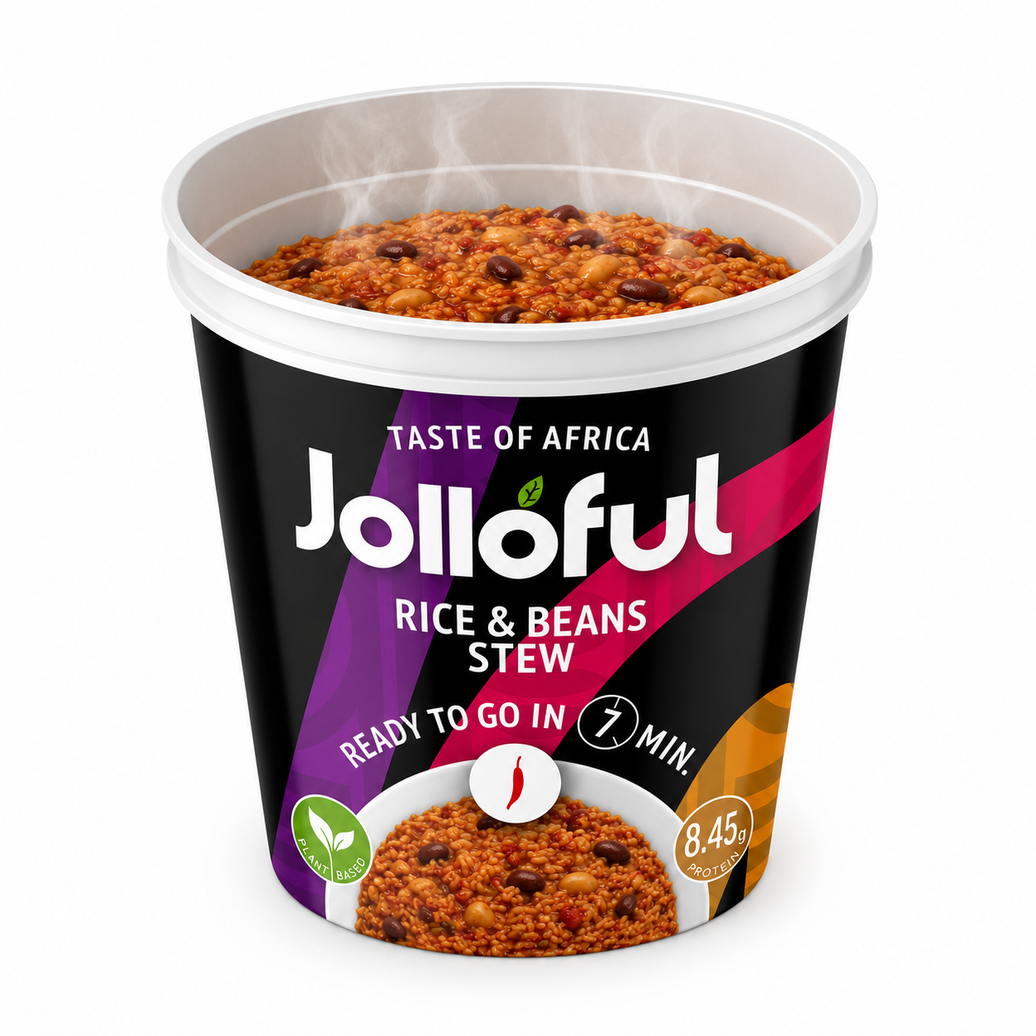
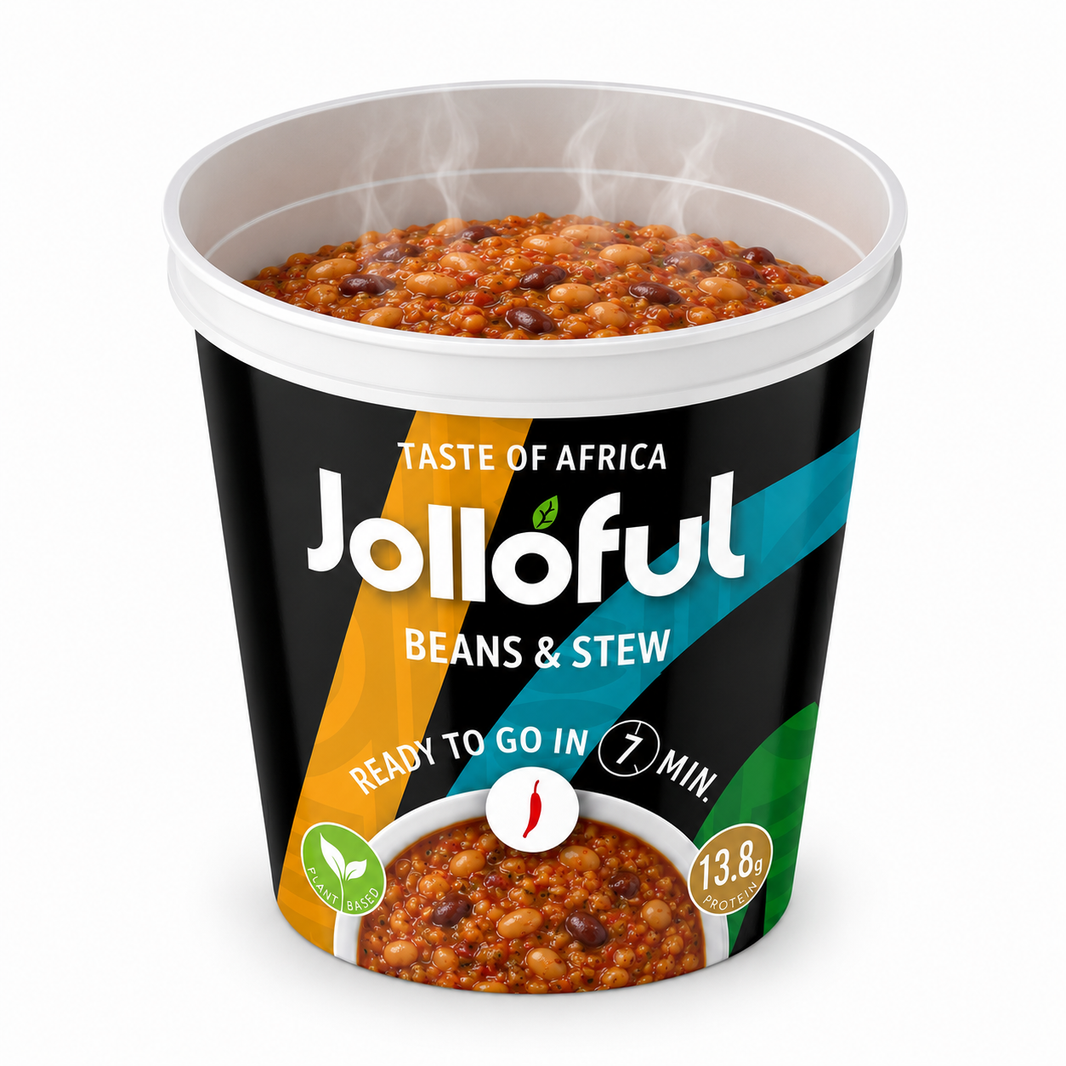
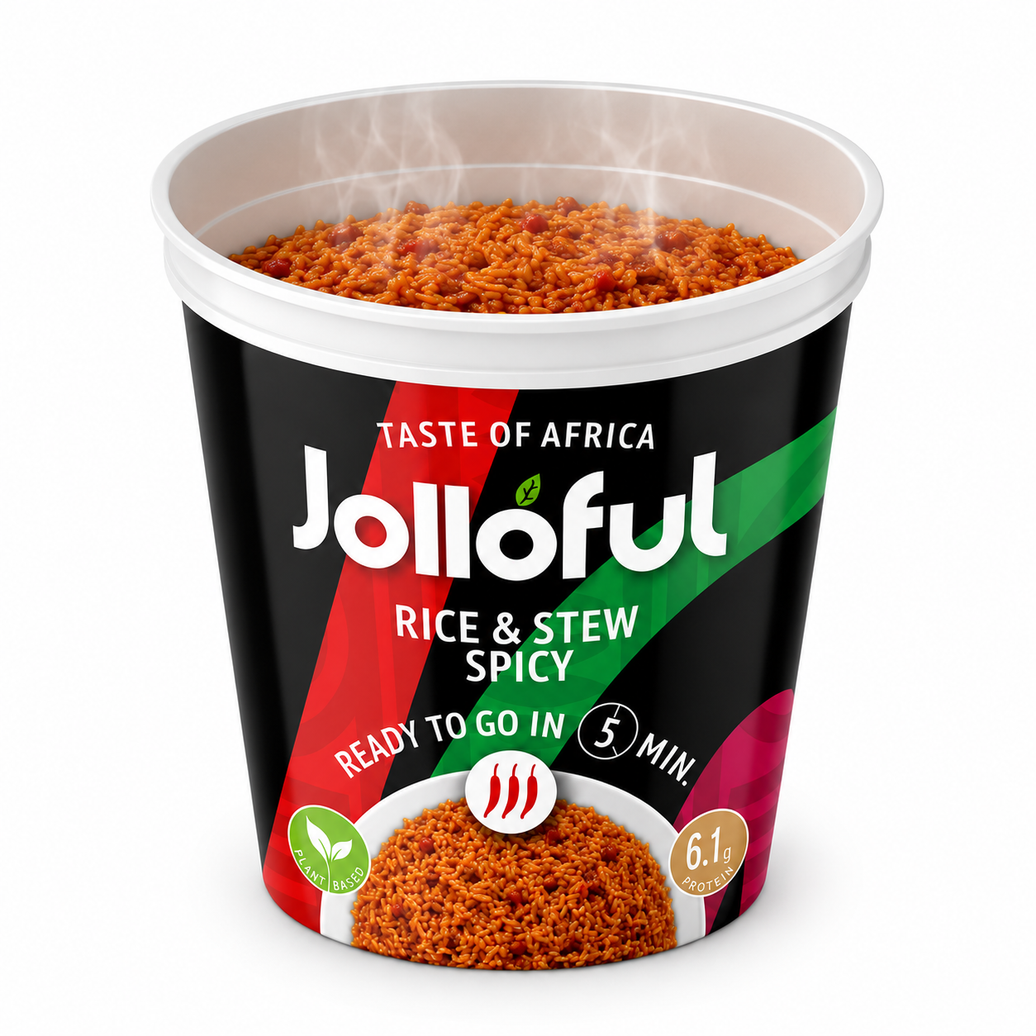
A brand like Jolloful speaks directly to that shift because it treats African meals as something worth getting right, even in a fast format. That changes the conversation. It moves shelf-stable food away from survival mode and closer to what it should have been all along - practical, flavour-first, and rooted in culture.
If you are choosing your next quick meal, look past the old convenience food rules. A long shelf life and a clean label can belong in the same cup. The better question is whether the meal still tastes like real food when you open it.


Hinterlasse einen Kommentar