
You can tell when a convenience meal was built for speed first and flavour second. The texture is flat, the seasoning plays it safe, and the whole thing feels like a compromise. That is exactly why authentic African meals online are gaining ground with busy shoppers who want more from what sits in their cupboard. They want food with character, real ingredients, and recipes that still mean something.
This shift is not about novelty. It is about standards. More people across the UK and Europe are questioning why convenience food has been allowed to taste so generic for so long, especially when African cuisine has always offered bold seasoning, layered heat, comfort, and depth. If dinner can be ready in minutes, it should still feel like real food.
What people are really looking for in authentic African meals online
When someone shops for African food online, they are rarely looking for just one thing. For some, it is a taste of home after a long day. For others, it is a practical way to try dishes they have heard about but never cooked themselves. For many, it sits somewhere in the middle - they want convenience, but they do not want the stripped-down version of a cuisine that deserves better.
That is where authenticity matters. Not as a buzzword, but as a standard of care. An authentic meal should reflect the flavour logic, ingredient choices, and cultural roots of the dish it represents. It does not have to be made in a home kitchen to count. It does have to respect the food.
In practice, that means a meal should taste intentional. The spice should have purpose. The ingredients should feel recognisable. The recipe should not flatten African cuisine into one vague idea of "heat" or "exotic flavour". African food is not one flavour profile, and shoppers are increasingly alert to brands that treat it that way.
Convenience has changed - and that is a good thing
There was a time when shelf-stable meals came with low expectations. You bought them for speed, not pride. That trade-off is getting harder to justify.
Modern consumers want convenience that fits a real life - packed schedules, hybrid working, late lectures, school runs, and the occasional dinner assembled between calls. But speed alone is not enough anymore. People read ingredient labels. They compare products. They notice when a brand is using additives, artificial colour, or unnecessary fillers to imitate flavour instead of building it properly.
This is one reason authentic African meals online are resonating now. They answer a very current need. You can want quick food and still care about quality. You can need cupboard-friendly options and still want a meal rooted in culture. Those things are not opposites unless the product has been badly made.
The strongest brands in this space understand that convenience should support the food, not dilute it. A five-minute meal can still carry the warmth, spice and identity of a dish people genuinely recognise and crave.
Why authenticity is harder online - and more important
Buying food online always comes with a little trust involved. You cannot smell it, taste it, or inspect it in person. You are relying on the product description, packaging, and the confidence of the brand. That makes authenticity even more important.
A generic ready meal can hide behind vague claims. Authentic African meals online cannot afford to. Shoppers want to know what they are getting and why it deserves a place in their basket. That could mean clear references to the dish itself, visible ingredient transparency, or a product format that feels practical without feeling cheap.
There is also a representation issue. African cuisine has often been understocked, oversimplified, or pushed into niche corners of mainstream retail. Online access changes that. It gives consumers more choice, but it also raises the stakes. If brands are going to present African food to a wider audience, they need to do it with accuracy and respect.
For diaspora households, this is personal. A meal can trigger memory, comfort, and connection. If it misses the mark, people know immediately. For first-time buyers, the product may shape their understanding of the cuisine altogether. That is why authenticity is not just a product claim. It is a responsibility.
Authentic African meals online for everyday life
One of the most useful things about buying African meals online is that it moves the cuisine out of the occasional category. It stops being something you only eat at a restaurant, at a family gathering, or after a full weekend cooking session. It becomes part of ordinary life.
That matters more than it sounds. When culturally rooted food is available in a format that suits everyday routines, it gets to take up proper space in people’s homes. A student can keep it in a cupboard without worrying about spoilage. A young professional can make lunch in minutes without settling for another bland pasta pot. A parent can have something fast on hand that still feels satisfying.
This is where shelf-stable formats can be genuinely valuable, especially in markets like the UK, Germany and Ireland where shoppers are used to convenience products but are increasingly suspicious of overprocessed ones. Shelf life is useful. Portability is useful. The real question is whether the food still tastes like food worth eating.
If the answer is yes, then the category stops feeling like a compromise and starts feeling overdue.
How to tell if an online African meal is actually authentic
Not every product that borrows African flavours is offering an authentic experience. Some are simply using the language of authenticity because it sells. A closer look usually tells the story.
Start with the recipe itself. Is it rooted in a recognisable dish, or is it a vague "inspired by" product designed to appeal to the widest possible audience? There is room for adaptation, especially in packaged food, but there is a difference between making a dish accessible and sanding off everything distinctive about it.
Then look at the ingredients. A short, clean label is not automatically authentic, but it is often a good sign when combined with a recipe that makes culinary sense. Real spices, grains, vegetables and seasonings matter. So does the absence of artificial colour and unnecessary preservatives if the brand is claiming quality.
Finally, look at the brand voice. Brands that truly care about African food tend to speak with clarity and confidence. They do not apologise for bold flavour. They do not frame the cuisine as strange or intimidating. They present it as what it is - real food, rooted in culture, worthy of everyday demand.
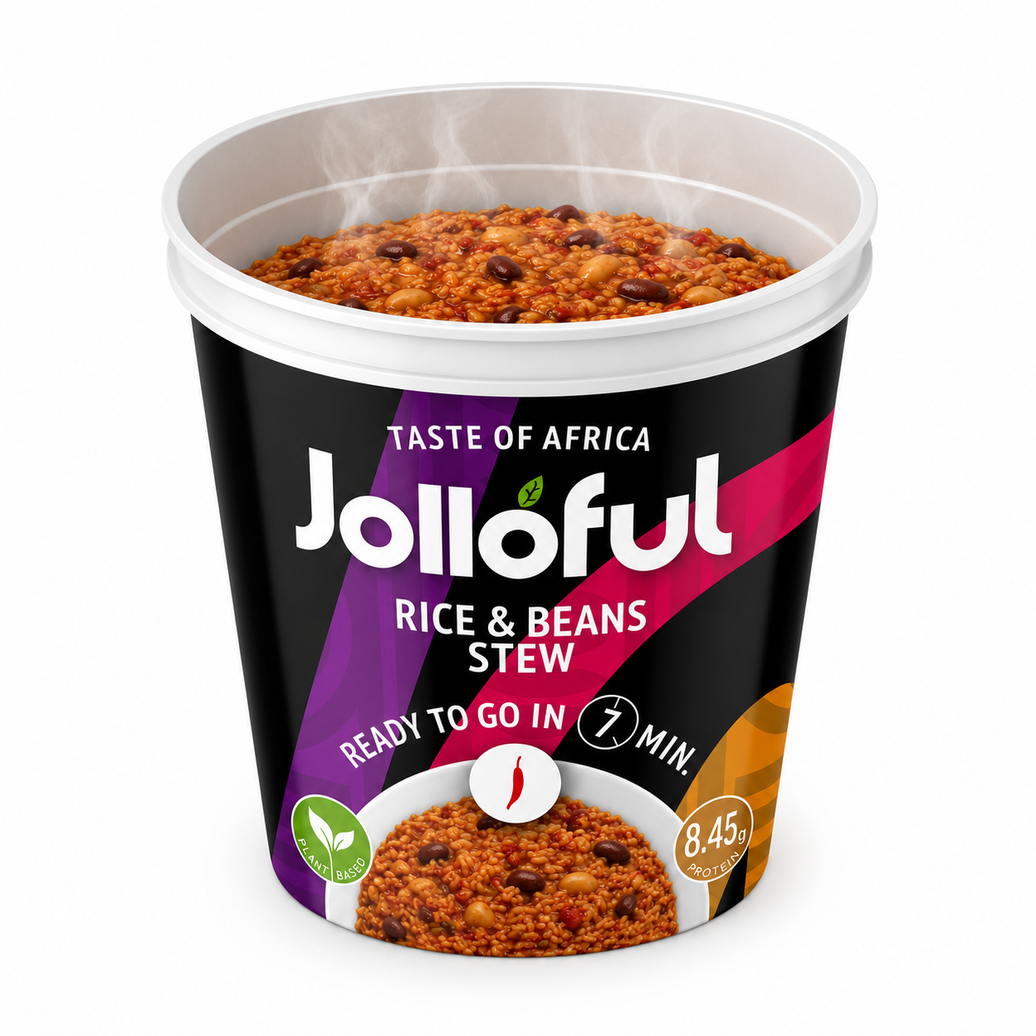
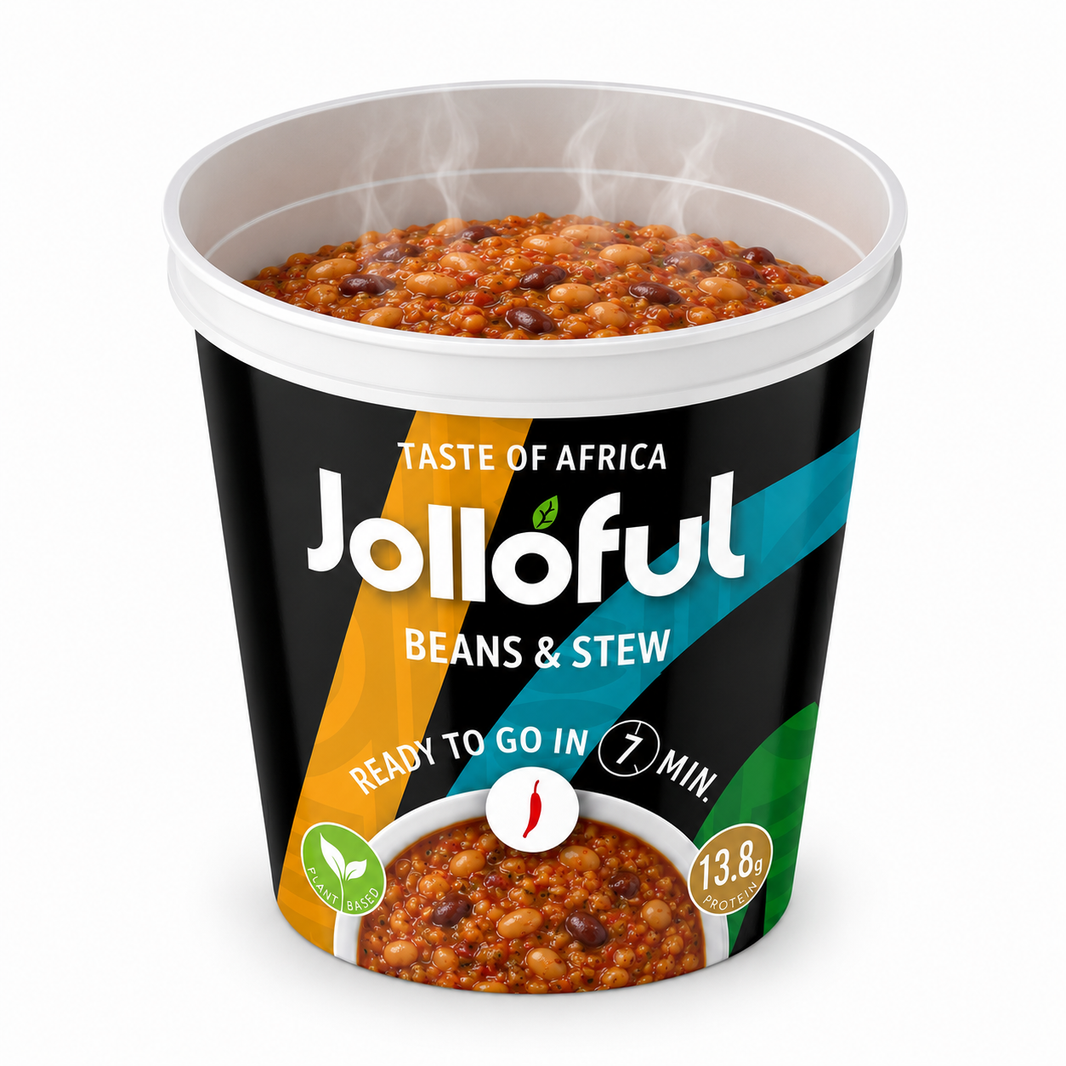
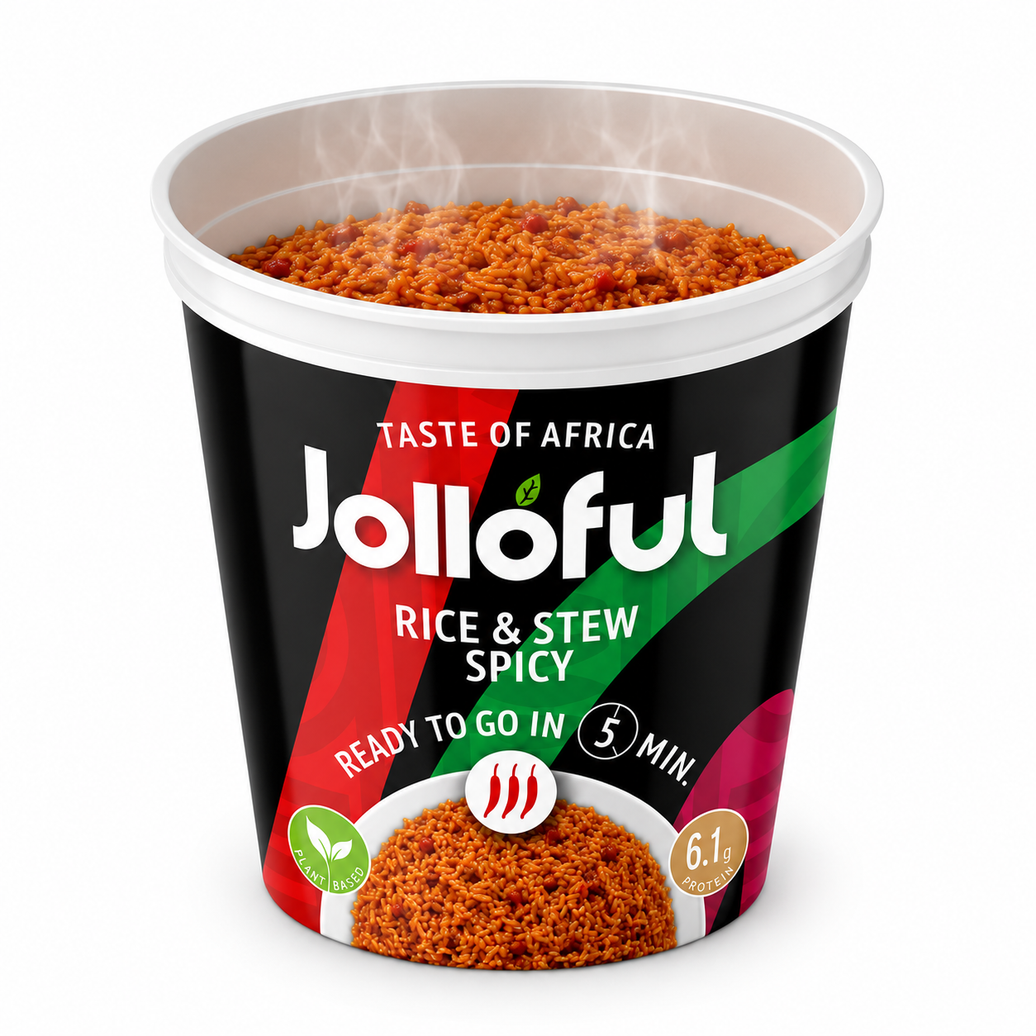
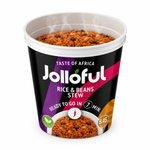
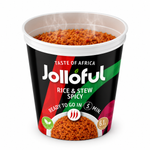
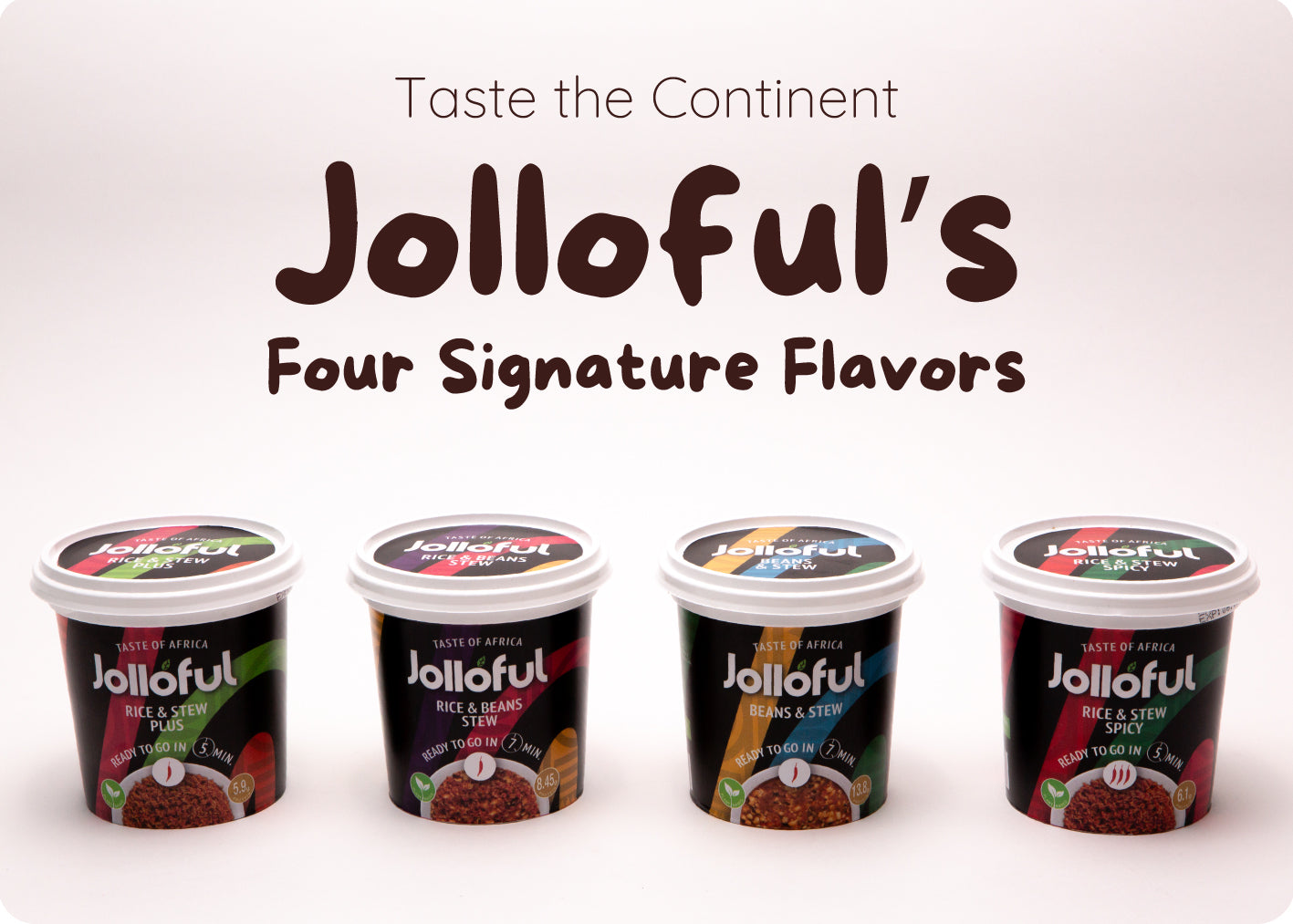
That is part of why brands like Jolloful stand out. The proposition is clear: fast, shelf-stable West African meals that do not reduce themselves to the tired instant-food playbook. Not your instant noodles. Something better built for modern life.
The trade-off question: can packaged food still feel real?
It depends on what you think authenticity requires.
If authenticity means only food made from scratch at home over several hours, then no packaged meal will fully match that experience. And it should not pretend to. But that is not the only valid standard. Food can be adapted for convenience and still remain culturally credible, flavourful, and satisfying.
The better question is whether the product preserves the soul of the dish while meeting the needs of the person eating it. If someone can keep a meal in the cupboard, add hot water, and end up with something that tastes layered, familiar, and intentional, that has real value.
Purity arguments often ignore how people actually live. Most households are balancing time, cost, access, and energy. A product that respects the cuisine while reducing the effort can broaden access rather than weaken tradition. It can introduce African food to new audiences without asking them to master a full recipe before they even know whether they like the flavours.
That kind of access matters. So does doing it properly.
Why this category is bigger than convenience
Authentic African meals online are not just part of a food trend. They are part of a wider correction. For too long, African cuisine has been treated as either a niche specialty or a one-note concept. Better online food brands are proving that it can be convenient, premium, modern and deeply rooted all at once.
That opens doors for everyone. Diaspora consumers get easier access to flavours that feel like home. Curious shoppers get an entry point that feels approachable rather than watered down. And the food itself gets to be seen on better terms - not as a side curiosity, but as something fully capable of meeting the demands of modern eating.
The best part is simple. When real flavour becomes easier to reach, people stop settling. And once that happens, bland convenience food starts to look exactly as outdated as it tastes.


Hinterlasse einen Kommentar