
A good shelf stable meal review should do more than tell you whether something is quick. Quick is the starting point. The real question is whether a meal waiting in your cupboard can still deliver proper flavour, recognisable ingredients and the kind of satisfaction that makes you choose it again.
For too long, convenience food has been allowed to set the bar low: salty, beige, forgettable and only useful when there is nothing else around. That is not the standard. A shelf-stable meal should fit a busy Monday, a late study session, a work lunch or a packed weekend without asking you to trade away taste or culture.
What a shelf stable meal review should really assess
The best shelf-stable foods solve a practical problem, but they also need to earn their place at the table. That means looking beyond the packaging and preparation time. A short ingredient list, real spices, a satisfying portion and a recipe with a clear point of view matter just as much as convenience.
Flavour has to arrive first
If the first spoonful tastes flat, no amount of convenience can rescue it. Great African food is built through layers: aromatics, herbs, warming spices, heat, savoury depth and the balance that brings them together. Those flavours should not disappear simply because the meal is dried and designed for storage.
Heat can be part of the experience, but it should do more than shout. A properly seasoned meal has dimension. You might get chilli warmth, then tomato richness, then fragrant spice. It should feel intentional, not like a bland recipe with a last-minute sprinkle of heat.
This is especially important for shoppers trying African flavours for the first time. Convenience should lower the barrier to discovery, not water down the food until it is unrecognisable. A good meal gives newcomers a genuine introduction and gives diaspora households something that feels familiar in spirit, even when time is short.
Ingredients should sound like food
Turn the pack over. You do not need a food science degree to spot the difference between a meal made from familiar pantry ingredients and one built around fillers, artificial colourings and a long trail of additives.
Shelf stability does not automatically mean poor quality. Drying and careful packaging can preserve food effectively without piling in unnecessary preservatives. The smarter question is whether the ingredients still support the recipe. Grains, legumes, vegetables, herbs and spices should have a job to do. They should build flavour, texture and nourishment rather than merely bulk out the portion.
There is a trade-off here. A shelf-stable meal will not behave exactly like a dish cooked slowly from scratch in your own kitchen. It has been designed for speed and a longer life in the cupboard. But that does not excuse a mushy texture, an artificial aftertaste or ingredients that read like a laboratory inventory.
Five to seven minutes should feel like a win
The point of a fast meal is not to create another task. The preparation should be clear: add hot water, wait, stir and eat. That simplicity matters when you are between meetings, travelling, moving into a new flat or facing the familiar 8 pm question of what to make for dinner.
Speed is only valuable if the result is filling enough to count as a meal. A useful review considers portion size alongside preparation time. Will it hold you until your next meal? Is it better as a quick lunch, a light dinner or the base for something more substantial? Context matters.
For some people, a meal cup is exactly right on its own. Others may want to add fresh greens, a boiled egg, grilled chicken or leftover veg. That is not a failure of the product. It is about how you eat and what your day requires. The strongest options work both ways: satisfying alone, flexible when you want to build a bigger plate.
Shelf stable meal review checklist: the details that matter
When comparing options, look for the proof behind the promises. Four signals usually separate a cupboard staple from a one-time curiosity:
- Ingredient clarity: you can recognise what you are eating, and artificial colourings and unnecessary preservatives are not doing the heavy lifting.
- Flavour identity: the spices and recipe have character, rather than copying a generic convenience-food profile.
- Useful convenience: preparation is genuinely fast, with no saucepan, specialist equipment or complicated clean-up required.
- Cupboard confidence: the meal stores well, travels easily and is ready when plans change.
That last point deserves more credit than it often gets. Fresh food is brilliant, but it is not always practical. A shelf-stable option can sit quietly in the cupboard until a train delay, a deadline, a family emergency or a week of poor meal planning makes it the smartest choice available. Good convenience is not lazy. It is prepared.
Culture is not a garnish
A shelf-stable meal can introduce people to African cuisine, but representation has to be handled with care. African food is not one flavour profile and it is not a trend category waiting to be made palatable through blandness. It is a vast collection of regional cuisines, techniques and food traditions with real depth.
That is why authenticity is more than a flag on the front of a packet. It appears in the seasoning, the balance of the recipe, the confidence of the flavour and the refusal to flatten everything into a mild, generic product. It also means being honest: no packaged meal can replace every home-cooked favourite or the food made by an auntie who knows exactly how you like it. It can, however, bring meaningful flavour into everyday routines and make African meals more available where they have too often been overlooked.
For diaspora shoppers, that access can be emotional as well as practical. A familiar aroma after a long day carries weight. For curious eaters, it is an invitation to try something with real roots, not a diluted version designed to play safe.
Who gets the most from shelf-stable meals?
They work particularly well for people whose schedules do not leave room for cooking from scratch every night. Students can keep a few on hand without losing fridge space. Office workers can make a more exciting lunch than another meal deal. Parents can keep a dependable backup for the evenings that go sideways. Frequent travellers can pack food that does not need chilling.
They are also useful for anyone building a more varied cupboard. Variety matters. If every fast option tastes the same, convenience quickly becomes boring. A well-made African meal offers a different direction: bold spice, proper savoury depth and food that feels like it came from somewhere.
Still, shelf-stable meals are not meant to replace fresh cooking entirely. They are best viewed as a reliable part of the rotation. Cook when you have the time and appetite for it. Keep better quick options ready for the moments when you do not. That balance is far more realistic than pretending every meal must be made from scratch.
The verdict: demand more from the cupboard
The category is changing, and it should. People want food that works at speed without tasting like a compromise. They want cleaner labels, stronger flavour and meals that reflect the world they actually live in.
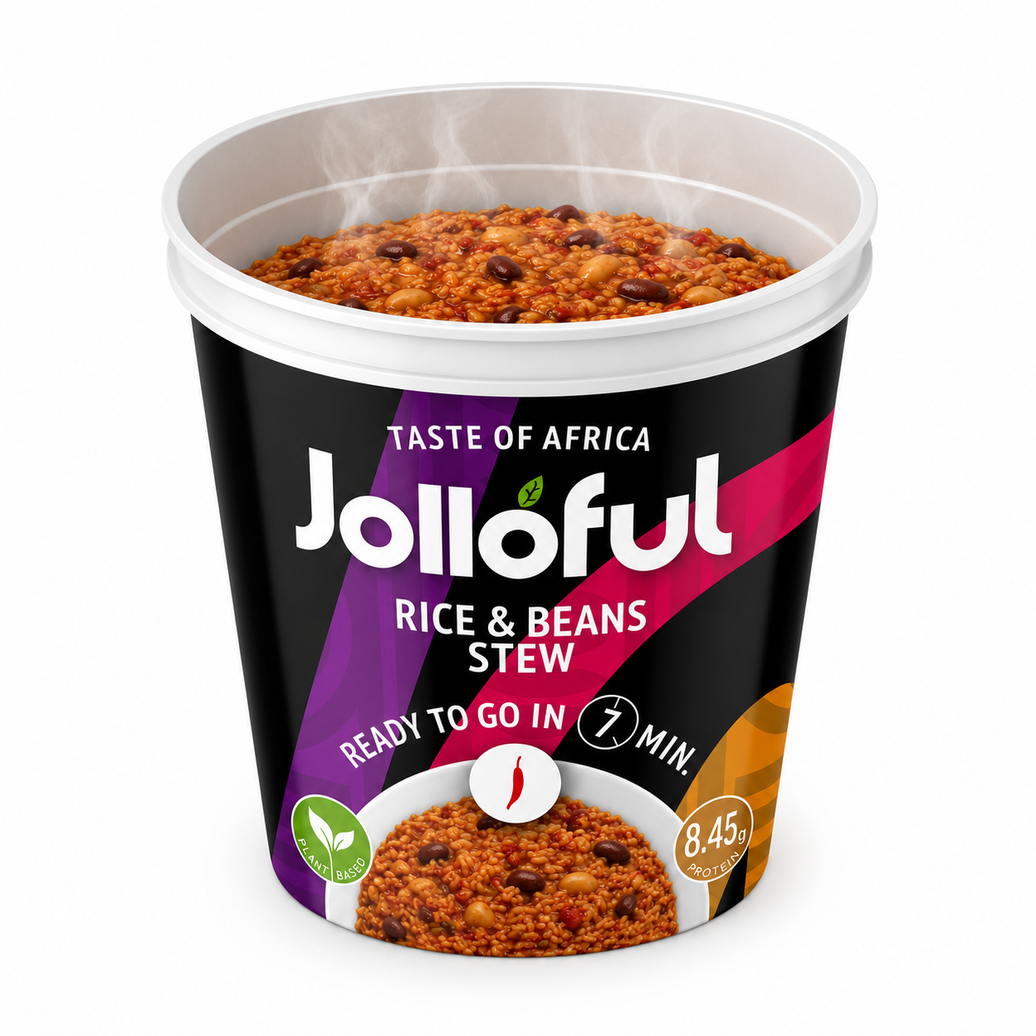
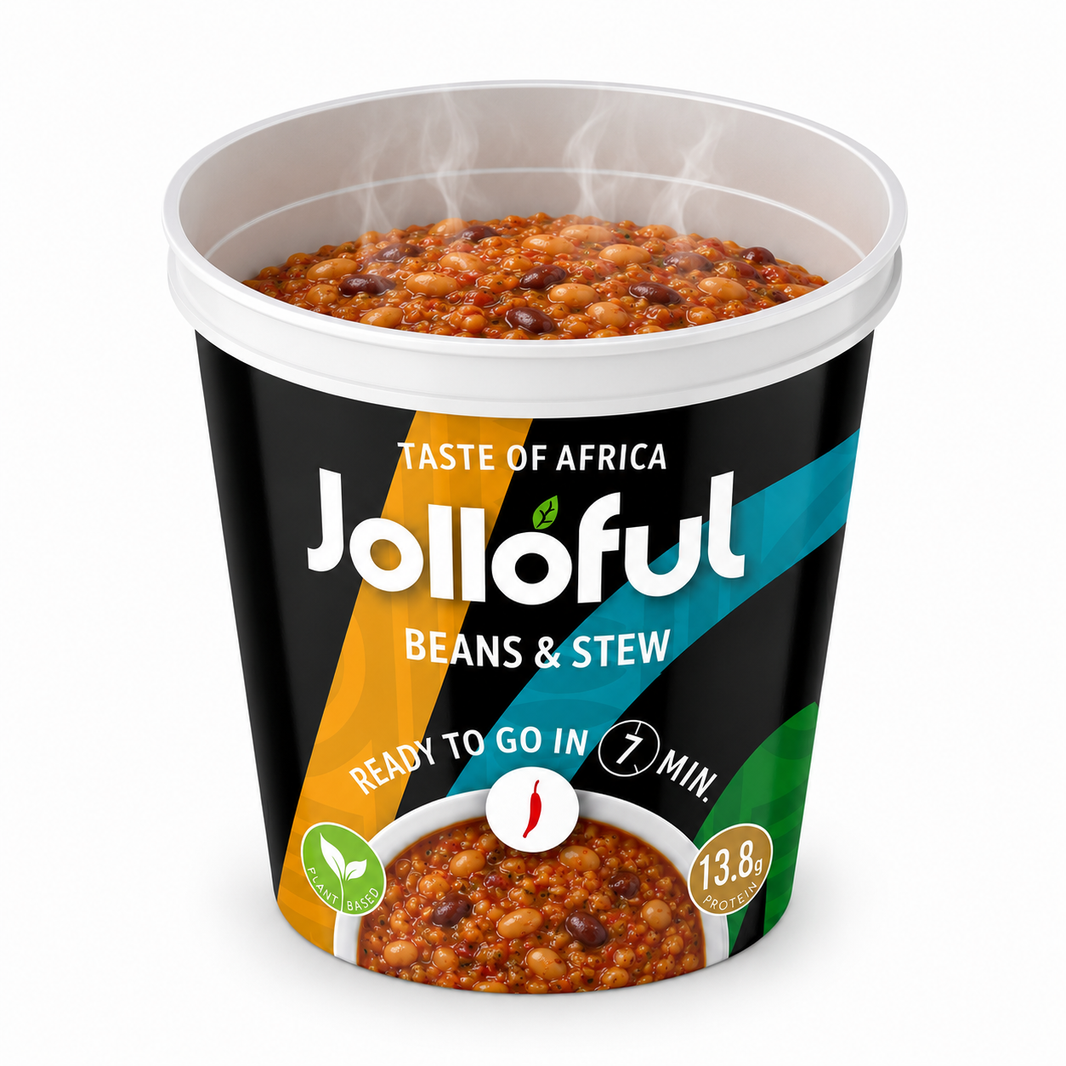
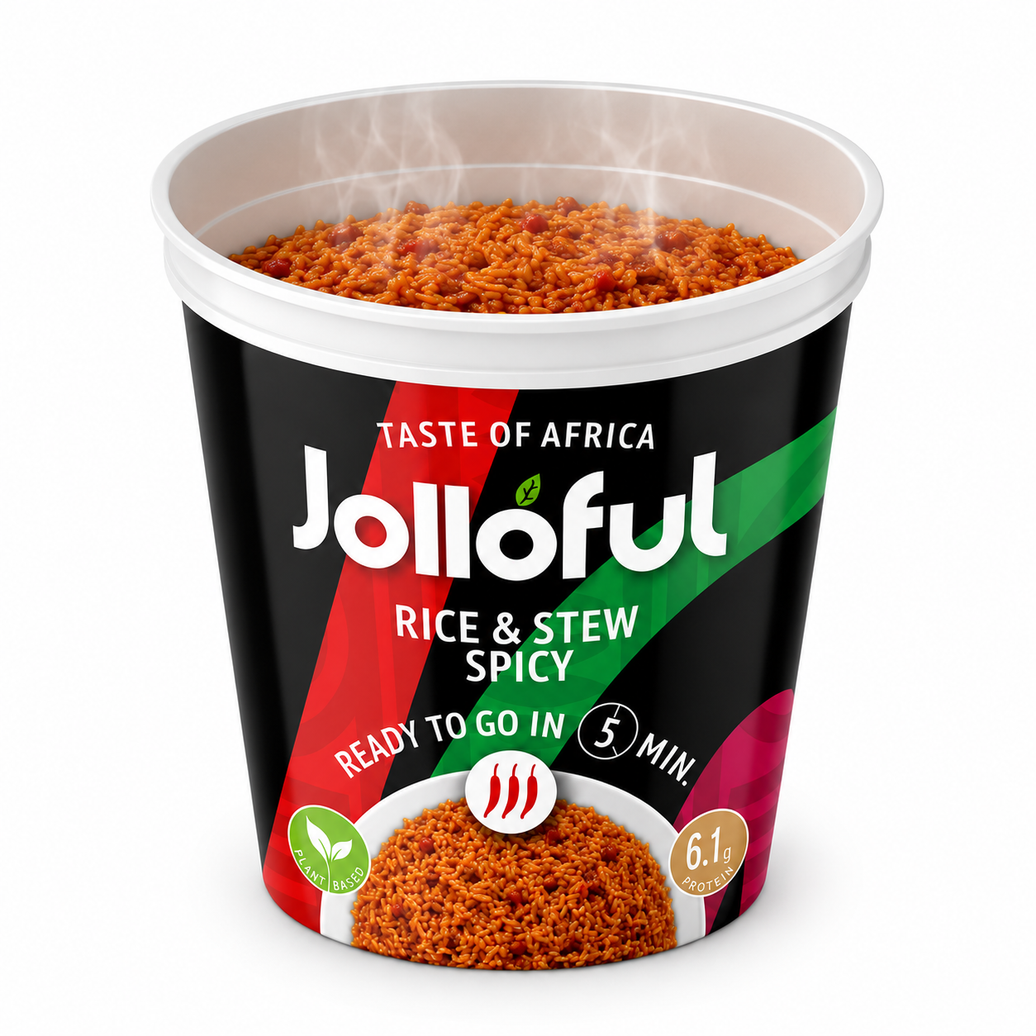
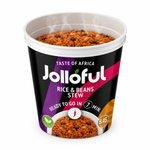
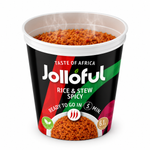
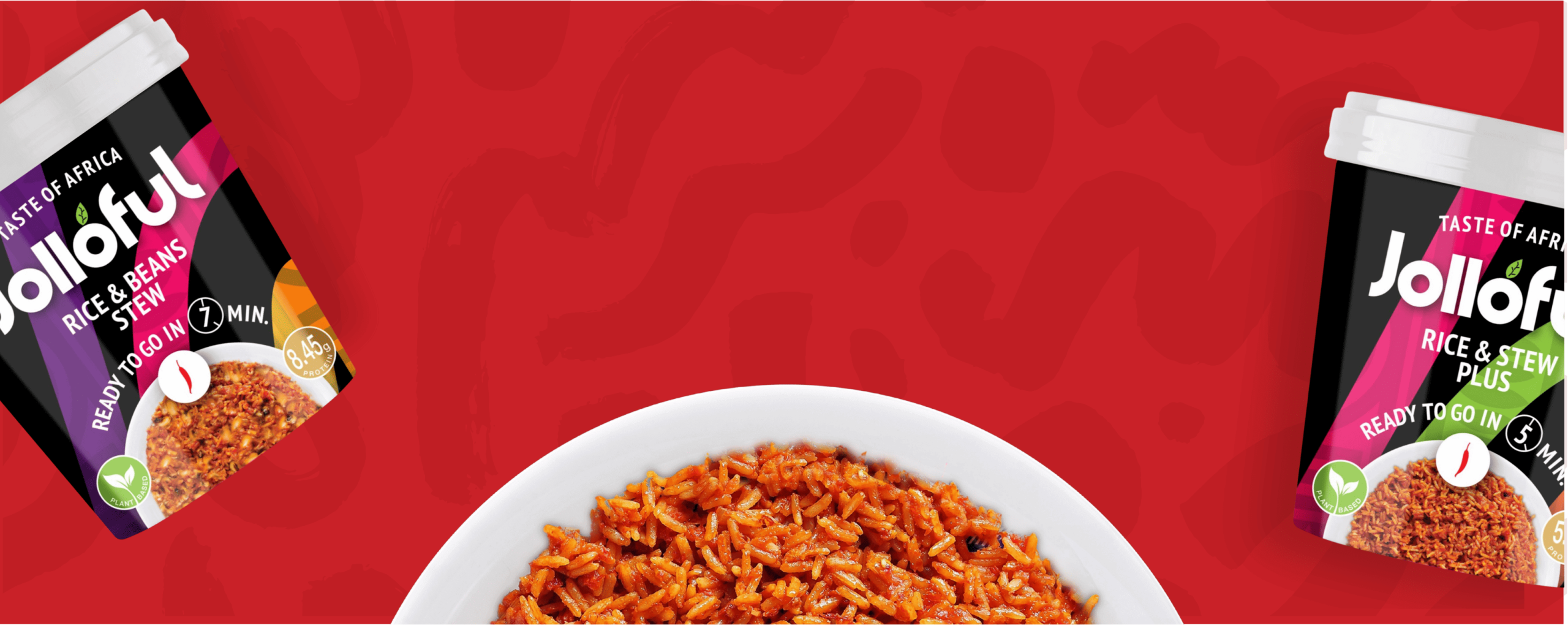
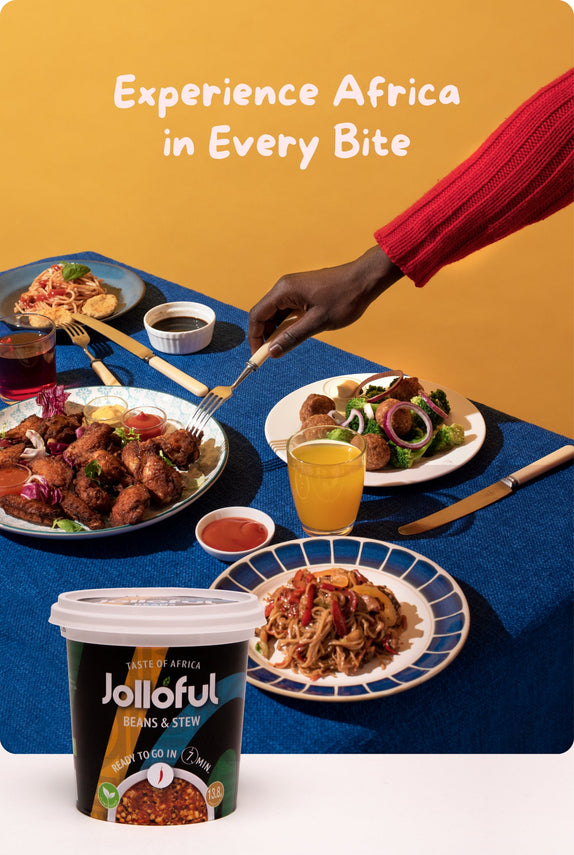
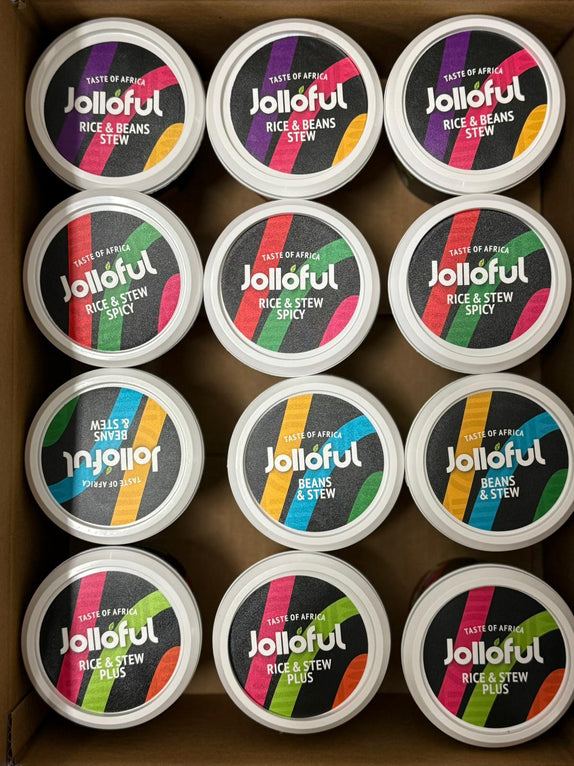
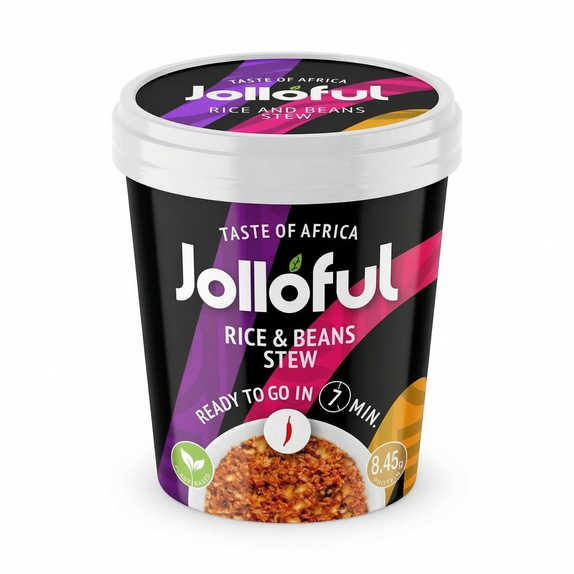
That is the standard Jolloful stands for: real food, rooted in culture, ready when life is moving fast. The next time you read a shelf stable meal review, do not settle for “easy”. Ask whether it is delicious, thoughtfully made and worth keeping close. Your cupboard can hold more than emergencies. It can hold meals you genuinely look forward to.



Hinterlasse einen Kommentar