
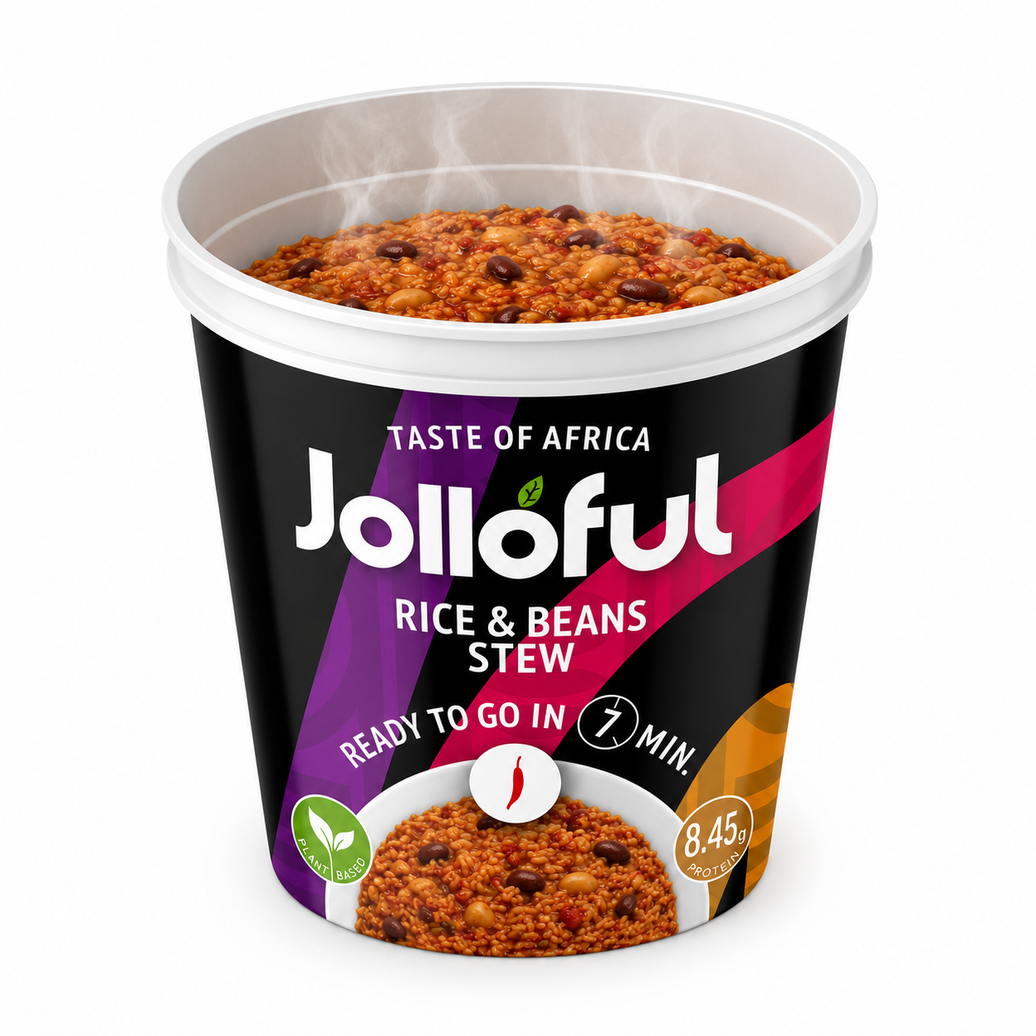
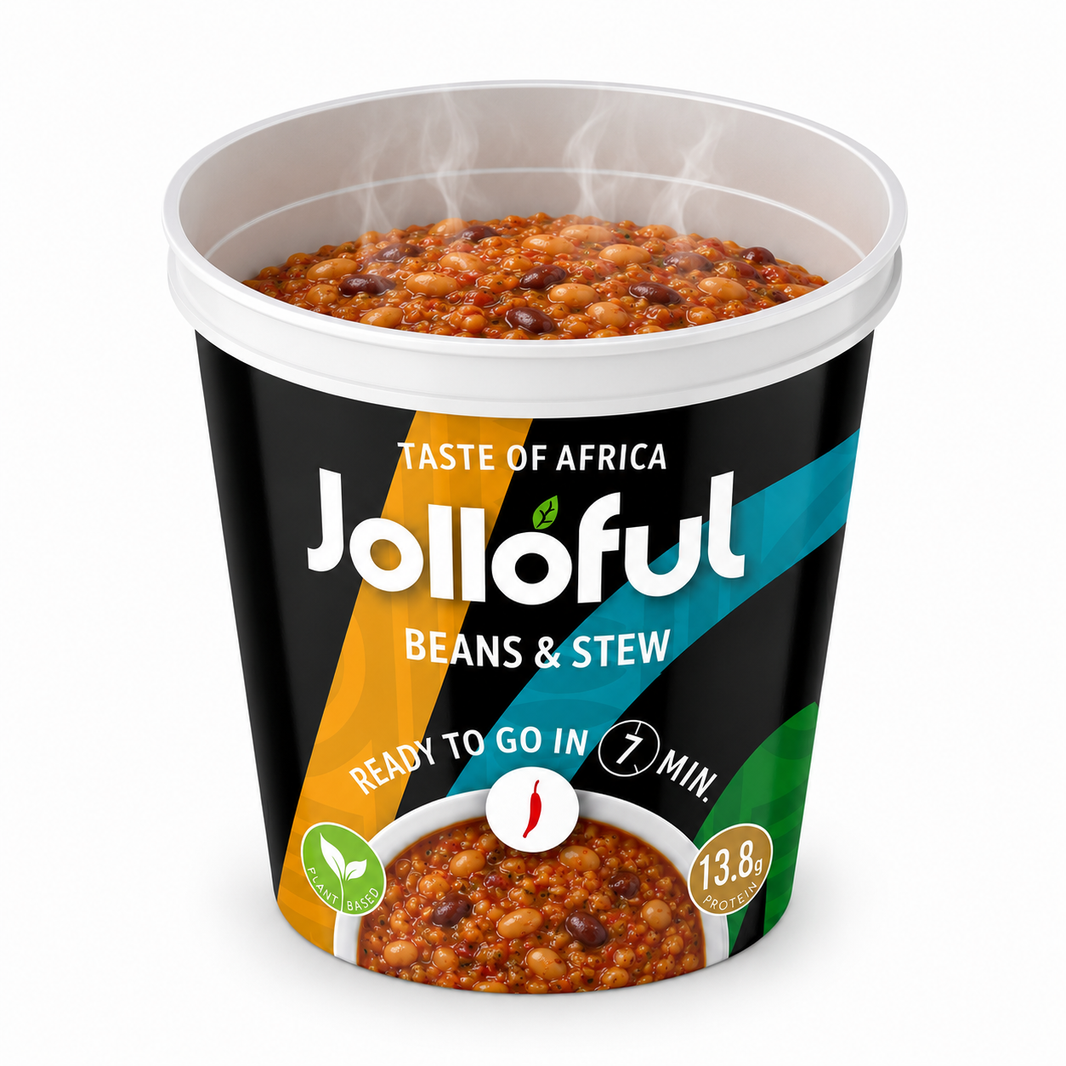
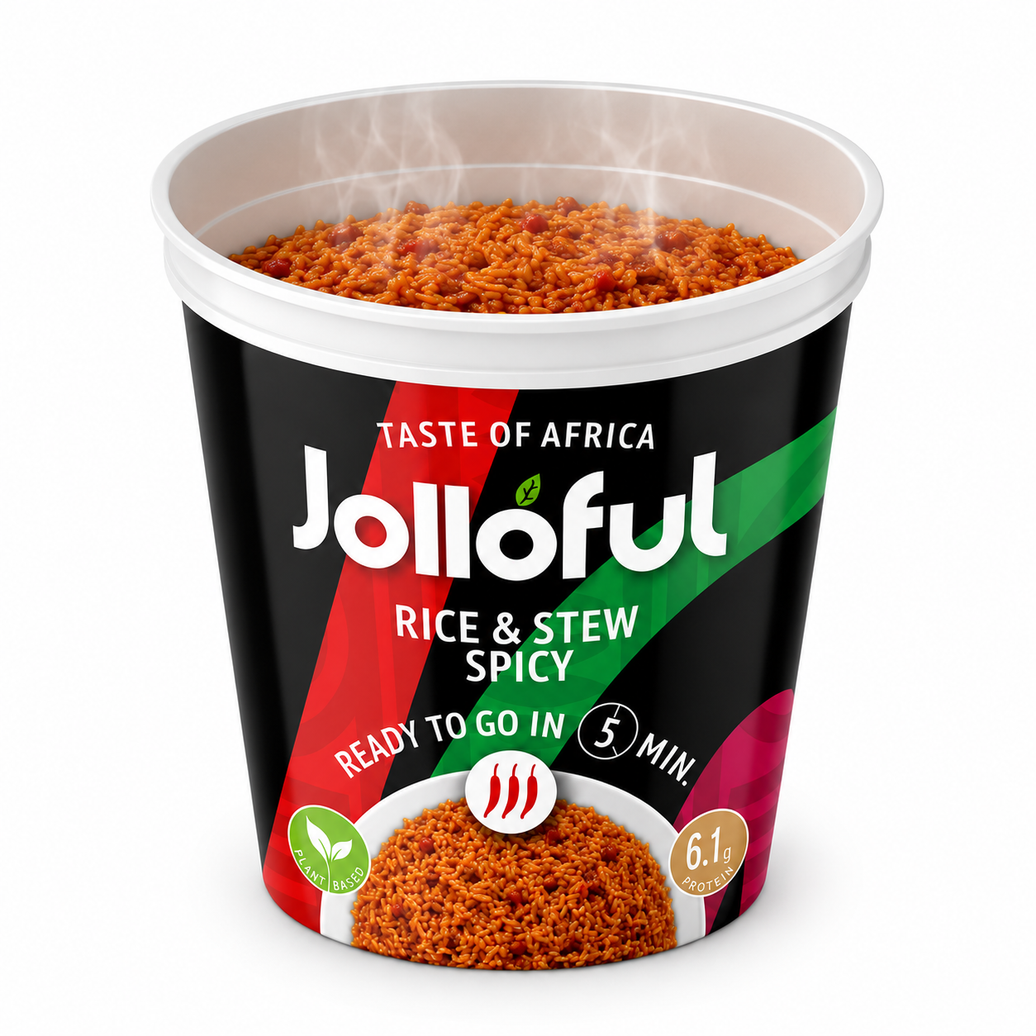
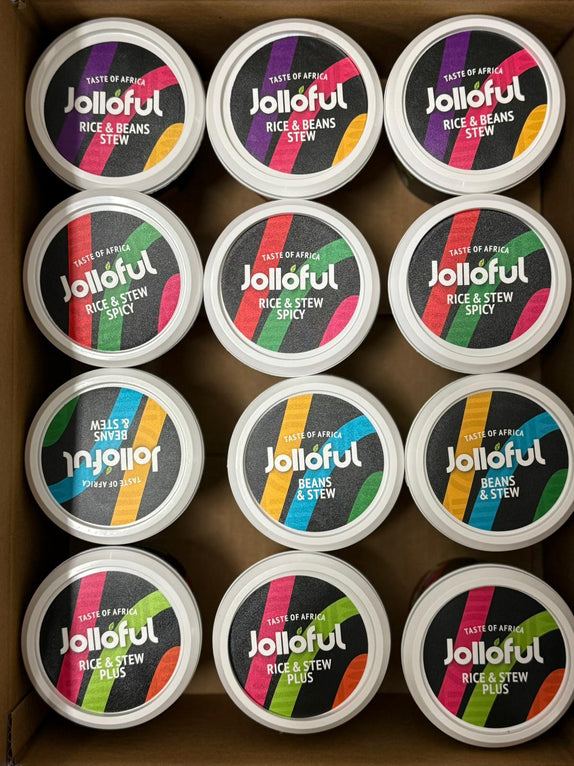
Order your 8-pack / 12 pack box today
A late train. A packed calendar. A kitchen with nothing fresh left that feels remotely exciting. These are the moments when shelf stable nutrition earns its place - not as a sad backup plan, but as real food that is ready when life is not.
For too long, long-life food has been treated as a compromise: bland, overprocessed, and chosen only when there is no better option. That idea is outdated. A shelf-stable meal can be flavour-forward, rooted in culture and made with ingredients you recognise. It can also give you a practical way to eat well when a full shop, a takeaway order or an hour at the hob simply is not happening.
What shelf stable nutrition actually means
Shelf stable nutrition refers to food that stays safe and enjoyable to eat at room temperature for an extended period before opening. Rather than relying on a fridge or freezer, these foods are protected through methods such as drying, careful packaging, heat treatment, or reducing moisture.
That does not automatically make a meal highly nutritious. Nor does a short ingredient list automatically make it perfect. The meaningful question is simpler: does the food give you a satisfying, sensible meal while fitting your actual routine?
For busy households, students and professionals, that means looking beyond the word “convenient”. A meal should hold you through an afternoon of meetings, make a credible supper after a long commute, or travel with you without turning into another bland desk lunch. Nutrition includes energy and nutrients, of course, but it also includes whether you will genuinely want to eat it.
Why shelf stable does not have to mean low quality
The assumption that food needs to be refrigerated to be good is understandable, but it misses how much cooking knowledge sits behind preservation. Drying grains, pulses, vegetables and spices has helped communities store food across seasons for generations. Modern shelf-stable formats can build on that logic with better packing, clearer labelling and faster preparation.
The trade-off is that some foods need salt, oil or processing techniques to keep their texture, flavour and safety consistent over time. That is not a reason to reject every packaged meal. It is a reason to read the pack and think about the role it plays in your wider diet.
A shelf-stable meal may be a brilliant choice on a hectic Wednesday, in your work drawer, in a university room, or while travelling. It may not replace every meal you cook from scratch. It does not need to. Better convenience is about giving yourself a useful option between cooking everything and settling for less.
What to look for in better shelf stable nutrition
Start with the ingredient list. You do not need to fear every ingredient you cannot pronounce, but the overall recipe should make sense. Look for familiar foundations such as grains, beans, vegetables, herbs, spices and oils, rather than a long list built mainly around fillers and artificial flavours.
Then check whether the meal has enough substance. A satisfying option often combines a carbohydrate source with protein and fibre, whether that protein comes from pulses, grains or another ingredient. Fibre matters because it can help a quick meal feel more filling, rather than leaving you hunting for biscuits an hour later.
Flavour deserves equal attention. Food that tastes flat is not automatically healthier, and food with spice is not automatically excessive. A well-seasoned meal can rely on chilli, aromatics, herbs and layered spices for character instead of simply adding sweetness. African cooking has always understood this: big flavour comes from balance, patience and ingredients with something to say.
Finally, look at sodium in context. If a shelf-stable meal is relatively high in salt, balance the rest of the day with fresher, lower-salt foods where you can. If it is lower in salt but leaves you unsatisfied, add something simple alongside it. Nutrition is rarely about finding one flawless pack. It is about making choices that work together.
Build a complete meal without making more work
The best shelf-stable meals make the main decision easy. If you have two extra minutes, a few everyday additions can turn them into a more rounded plate without creating a sink full of washing-up.
Add a handful of leafy greens, chopped pepper or cherry tomatoes for freshness. Stir in cooked chicken, tofu, beans or a boiled egg if you need more protein. A spoonful of yoghurt, a squeeze of lemon, fresh herbs or a little hot sauce can add contrast and lift.
But there is no rule that every meal needs an upgrade. Some days, hot water and five minutes is the whole point. A practical food routine has room for both: meals you build around and meals that meet you exactly where you are.
The culture question matters too
Convenience food has often asked people to trade flavour and identity for speed. For many people in the African diaspora, that can mean a shelf full of quick options that are functional but do not taste familiar, nourishing or connected to home. For curious eaters, it can mean encountering African cuisine only through watered-down flavours or special-occasion restaurant visits.
That is why culturally rooted shelf-stable food matters. It makes room for meals with real character in the everyday places where convenience counts: the office cupboard, the shared flat kitchen, the travel bag and the weeknight pantry. It says fast food does not have to be generic food.
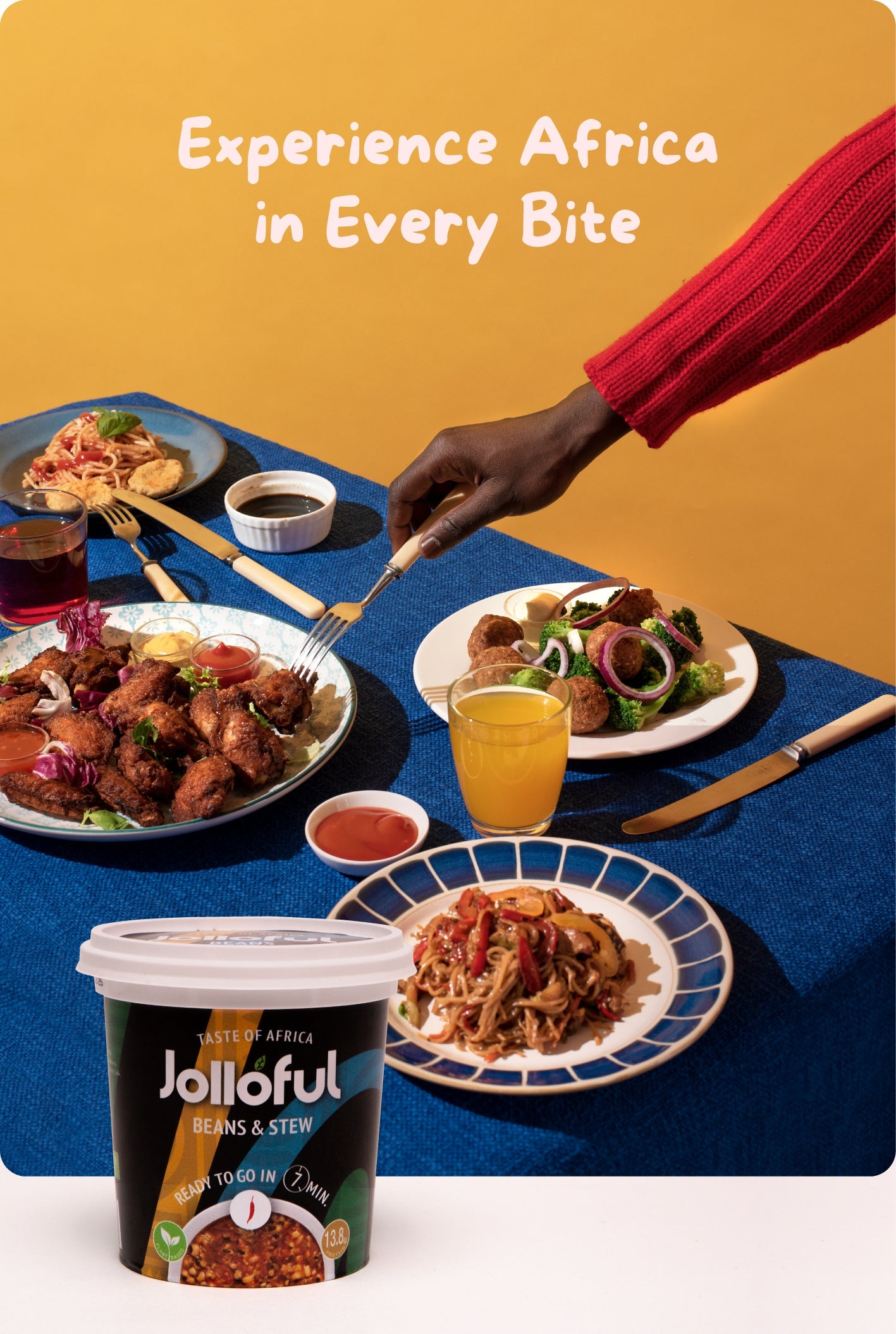
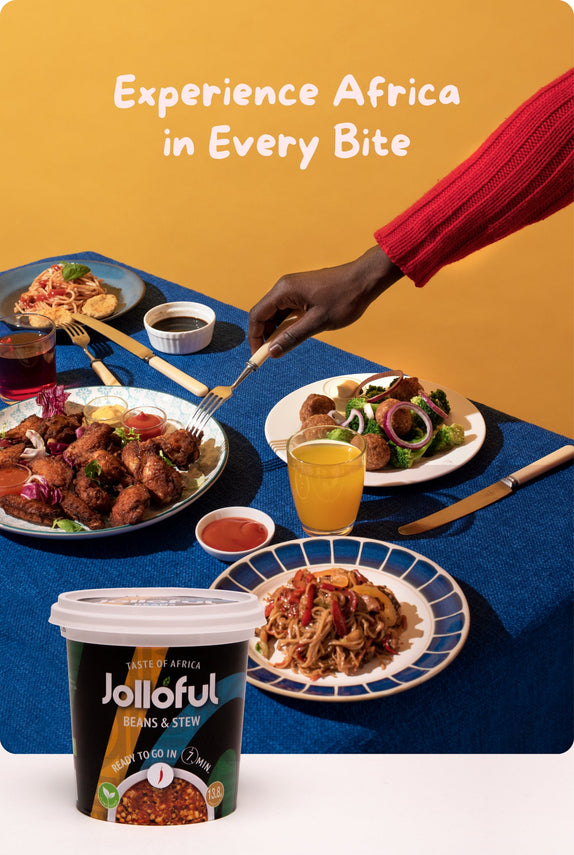
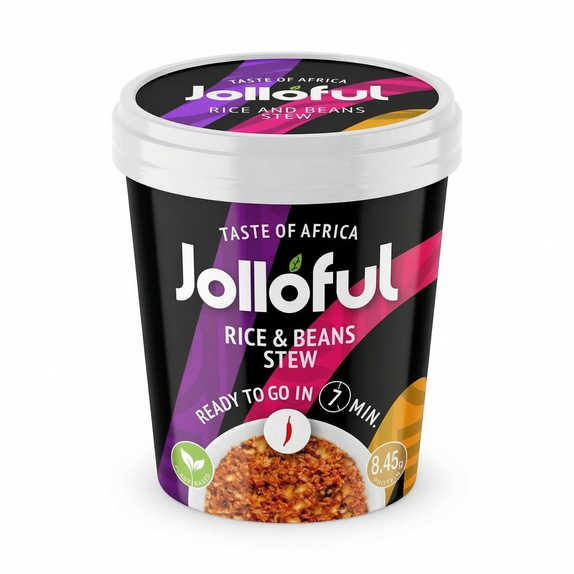
At Jolloful, that belief is simple: African food belongs at the global dinner table, including on the busiest days. A meal can prepare quickly and still carry the warmth, spice and confidence of a recipe made to be remembered.
How to stock your cupboard with intention
A useful cupboard is not one filled with emergency food you never want to eat. It is a collection of options that make eating easier when plans change. Keep a few shelf-stable meals you genuinely enjoy, plus basics that help you adapt them: pulses, tinned fish, wholegrain crackers, nuts, long-life milk, dried fruit and seasonings.
Think in situations rather than strict meal plans. Keep one option for rushed lunches, one for late dinners, one that travels well and one that can feed you when the fridge is running low. This approach prevents the familiar choice between spending too much on delivery or skipping a proper meal altogether.
Storage matters as well. Keep food somewhere cool, dry and away from direct sunlight. Rotate what you have, placing newer items at the back, and pay attention to preparation instructions. Shelf stable means designed to last unopened, not immune to poor storage or something to forget about for years.
Shelf stable nutrition is about having better options
There is no prize for cooking from scratch every single day. There is also no need to pretend every packaged meal delivers the same quality. The better standard is more honest: choose food that fits your life, tastes like something, and gives your body enough to get on with the day.
A well-stocked cupboard can be an act of self-respect. Keep meals with flavour, ingredients you trust and roots you recognise close by, so the next busy day still has a good answer waiting.



Hinterlasse einen Kommentar