
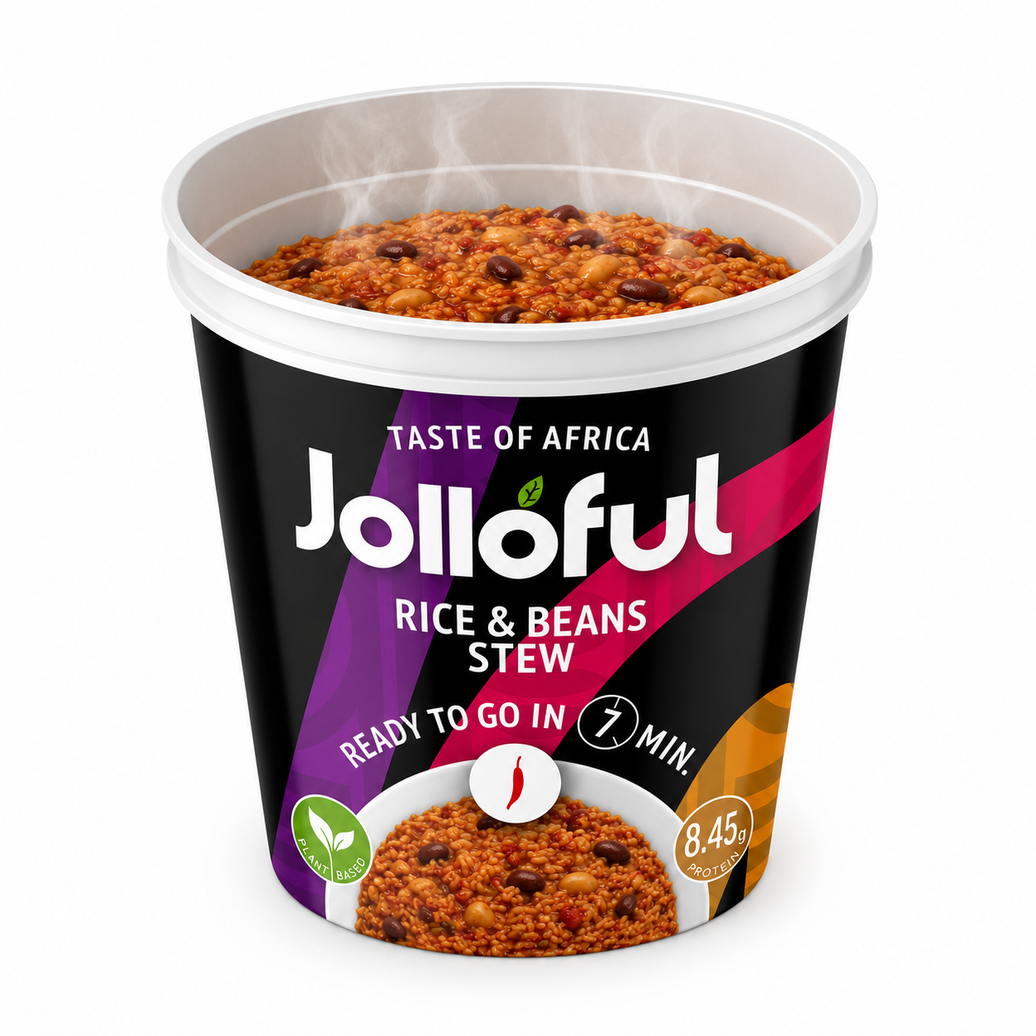
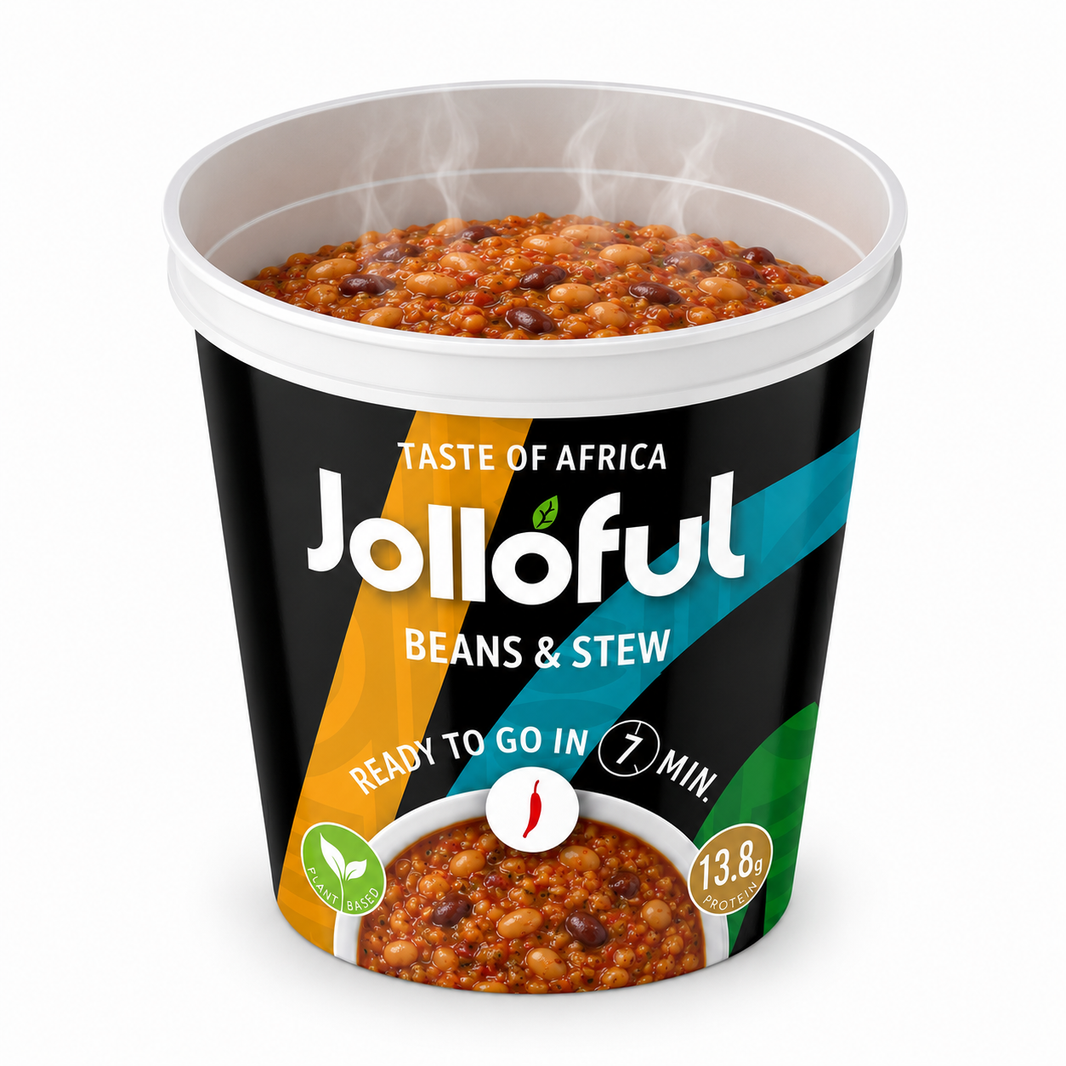
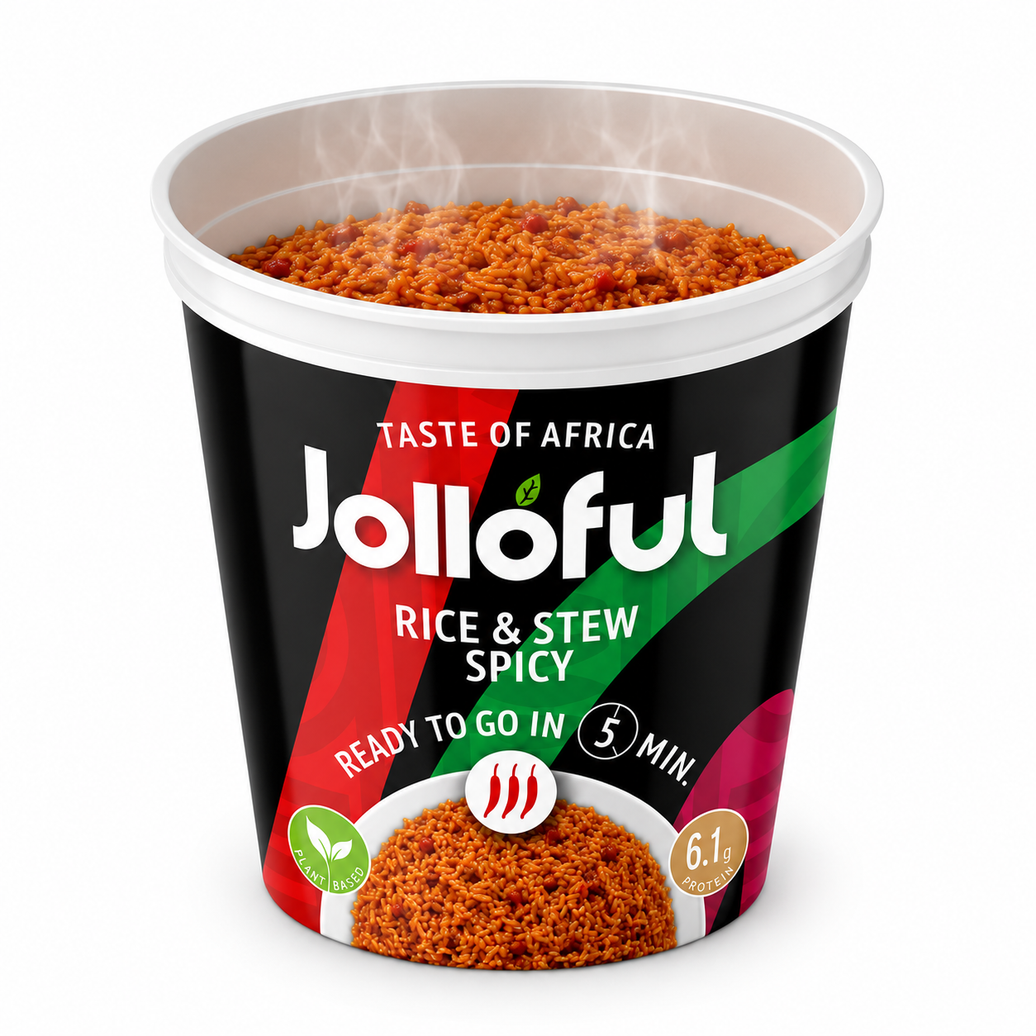
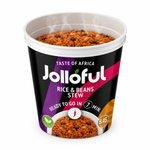
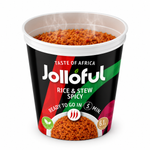
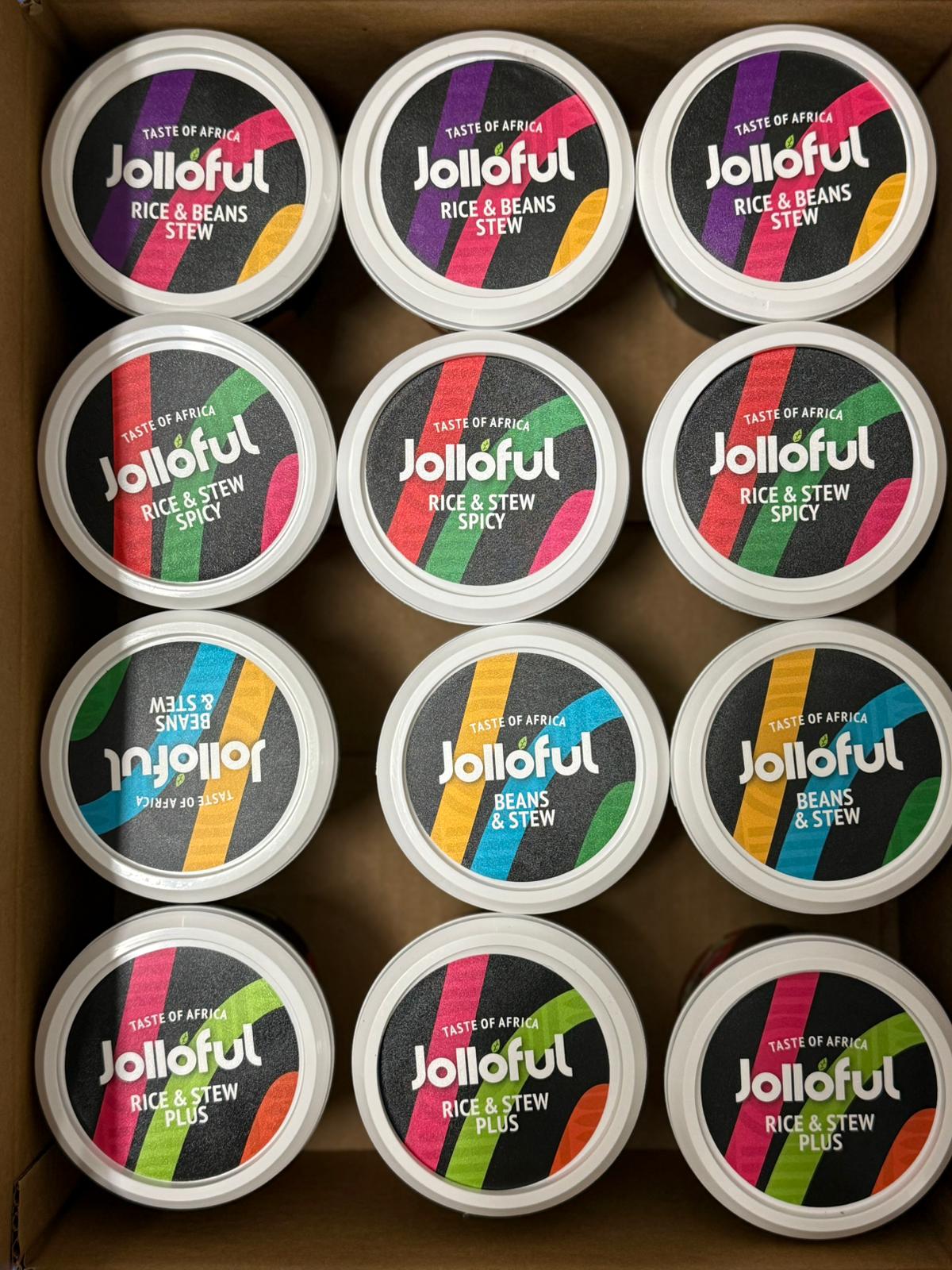
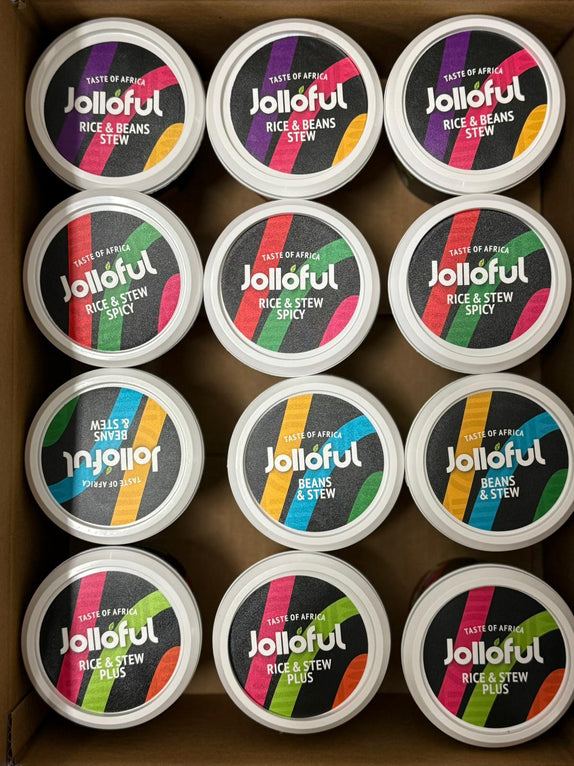
Order your 8-pack / 12 pack box today
A late finish, an empty fridge and no energy to cook used to leave one obvious answer: order takeaway. But when weighing shelf stable meals versus takeaway, the better choice is not always the one that arrives at your door. A good shelf-stable meal can be hot, flavourful and ready in minutes, without the wait, delivery fee or gamble of a lukewarm order.
This is not about pretending every packaged meal beats a restaurant dish. A freshly made meal from a brilliant local kitchen has its place. It is about giving busy people another option: real food with cultural depth, waiting in the cupboard when life gets loud.
Shelf-stable meals versus takeaway: the real comparison
Takeaway sells convenience, but it often comes with friction. You browse while hungry, compare ratings, meet a minimum spend, pay for delivery and hope the food arrives as promised. On a busy weekday, that can turn a 20-minute dinner plan into an hour of waiting.
Shelf-stable meals change the timing. They are already at home, require no delivery slot and can be prepared when you are ready. For meals designed to be made with hot water, dinner can go from cupboard to bowl in five to seven minutes. That matters when you are between meetings, feeding a family after an evening activity or trying to eat before a train journey.
The point is not that takeaway is slow in every case. Collection can be quick, and some meals are worth waiting for. But for pure day-to-day speed, having a satisfying meal within reach usually wins.
The cost is more than the menu price
A takeaway price rarely ends at the dish itself. Delivery charges, service fees, small-order fees and the temptation to add sides can make a simple dinner far more expensive than planned. Order regularly and the total climbs quickly.
Shelf-stable meals have a clearer cost. You buy them ahead of time, store them at home and use them when needed. There is no delivery premium because it is raining, no surge in price at peak dinner time and no extra spend just to meet a minimum order value.
That does not mean every shelf-stable meal is automatically cheap. Better ingredients and carefully developed recipes can cost more than basic convenience food. The useful comparison is value: how much flavour, nourishment, time and flexibility are you getting for the money? A meal that stops you ordering an overpriced last-minute dinner can earn its cupboard space very quickly.
Flavour should not be the trade-off
People often assume long shelf life means flat flavour. That idea comes from years of bland convenience food that treated speed as the only goal. It does not have to be that way.
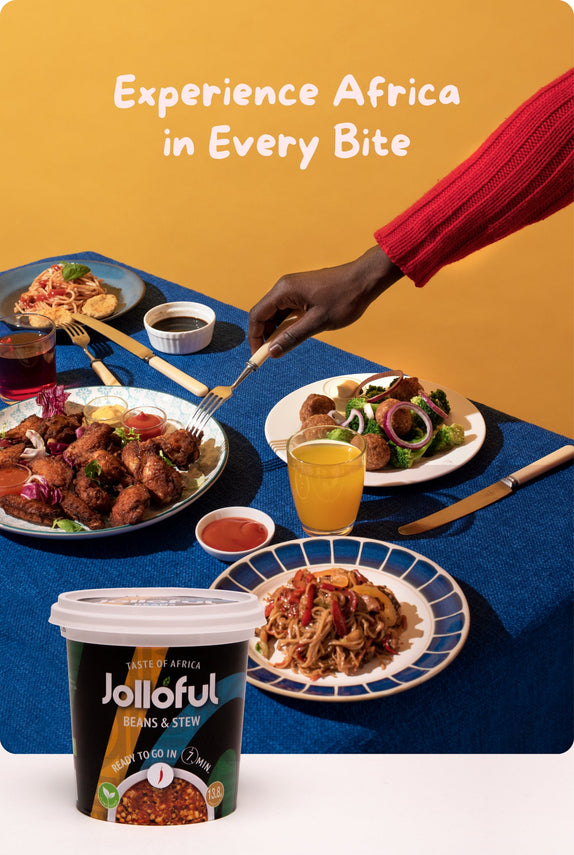
Great African cooking is built on layers: aromatics, warming spices, heat, savoury depth and ingredients that know how to hold their own. When those flavours are treated with care, a shelf-stable meal can feel like a proper meal rather than a compromise made at 9pm.
Takeaway still has an advantage when you want a full restaurant spread, freshly grilled elements or something made specifically to your preferences. Yet that is a different job. A well-made pantry meal is for the moments when you want bold, rooted flavour without planning your evening around a delivery driver.
Ingredients: read beyond the convenience label
Neither category should get a free pass. Some takeaways use excellent ingredients and cook from scratch. Others can be heavy on oil, salt and sauces, with little clarity about what is actually in the dish. You may know the cuisine, but not always the full ingredient list.
With shelf-stable meals, the label is part of the decision. Look for recognisable ingredients, clear allergen information and recipes that do not rely on artificial colour or added preservatives to create appeal. Shelf stability itself is not a warning sign. It simply means the food has been developed and packed to last safely without needing your fridge.
What matters is how the meal earns that shelf life and what is still in the pack when it reaches your kitchen. If the ingredient list reads like food, rather than a chemistry lesson, you are in a stronger position to make a choice that works for you.
For anyone who wants fast food without the usual convenience-food disappointment, this transparency is a genuine advantage. You can choose once, stock up, then know what you are reaching for on the days when cooking from scratch is not realistic.
The overlooked win: flexibility
Takeaway operates on somebody else’s timetable. Restaurants close. Delivery zones change. Your favourite spot might be fully booked on a Friday night, or unavailable when you need it most. Even the best order requires a decision at the exact moment you are tired and hungry.
Shelf-stable meals are built for the gaps. Keep them in your work drawer, student room, kitchen cupboard or holiday bag. They do not demand freezer space, and they are ready whether it is Tuesday lunchtime or a Sunday evening after the shops have shut.
That flexibility is especially useful in homes where people eat at different times. One person can make a quick meal without starting a whole cooking project, while another can eat later. It is also a quiet way to cut food waste: you are less likely to buy fresh ingredients with good intentions, then watch them spoil during a hectic week.
When takeaway is still the right call
There is no need to turn dinner into a loyalty test. Takeaway is still a good choice when you are celebrating, hosting friends, supporting a favourite independent restaurant or craving a dish that needs to be freshly cooked and served straight away. Food is social, and the experience can be part of what you are paying for.
It also makes sense when you have a specific dietary need that a restaurant can accommodate more precisely, provided you can communicate it clearly. And sometimes you simply want the treat. That is reason enough.
The problem begins when takeaway becomes the default because there is nothing better at home. That is where shelf-stable meals offer a smarter middle ground: far more exciting than an afterthought, faster than delivery and easier to keep on hand.
Build a better busy-day food plan
The strongest approach is not shelf-stable meals or takeaway. It is having both available for different moments. Keep a small rotation of meals you genuinely look forward to eating, then save takeaway for the occasions when its freshness, range or shared experience adds something worthwhile.
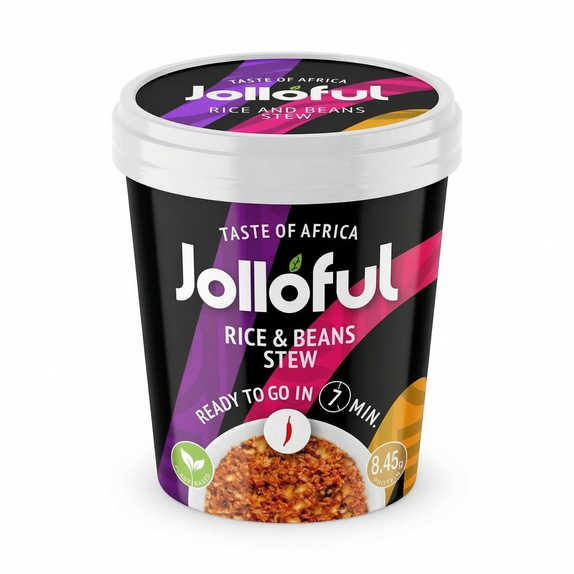
Jolloful was made for that modern rhythm: culturally rooted African meals with real ingredients, bold flavour and the kind of convenience that does not ask you to lower your standards. It is not about replacing home cooking or restaurant meals. It is about making sure a busy day does not force you into a bland one.
Next time hunger catches you unprepared, pause before opening a delivery app. A well-stocked cupboard can give you something better than a rushed decision: a fast, comforting meal that still tastes like it has something to say.



Hinterlasse einen Kommentar