
That meal at the back of the cupboard is not automatically past its best because the date has arrived. Understanding shelf life labels means knowing the difference between quality, safety and storage - so you can waste less food while still eating with confidence.
For busy households, a well-stocked cupboard is more than a convenience. It is a dependable answer to late workdays, empty fridges and the question of what to eat when you want real flavour without a lengthy cooking session. Shelf-stable food earns its place here, but only if we read its label properly.
Understanding Shelf Life Labels Starts With the Date Type
Not every date on food means the same thing. The wording around the date tells you what decision to make.
“Best before” is about quality
A best-before date is the date until which a product is expected to be at its best quality when stored as instructed. Think flavour, aroma, texture and colour. After that date, a sealed product may still be good to eat, particularly a dry, shelf-stable food kept somewhere cool and dry.
That does not mean ignoring the label. Use your senses and common sense. Check that the packaging is intact, prepare the food as directed, and do not eat it if there is an unusual smell, appearance or texture. But a best-before date is not a switch that turns good food into waste at midnight.
This distinction matters because many cupboard foods are needlessly binned after their best-before date. A little label confidence can make your weekly shop go further.
“Use by” is about safety
A use-by date is different. It is used on foods that can become unsafe to eat after a certain point, even when they look and smell fine. Fresh chilled foods are the usual example.
Treat a use-by date as a safety instruction. Store the product at the stated temperature, eat it by the date shown, and follow any guidance about freezing or consuming it after opening. Smelling it is not a reliable safety test.
The useful rule is simple: best before asks, “Will this still be at its best?” Use by asks, “Is this safe to eat?” They deserve different responses.
“Best before end” needs a closer look
Some labels use “best before end” followed by a month or year. In this case, the product is expected to retain its intended quality until the end of that period, provided it has been stored correctly and remains unopened.
Check the format carefully, especially on products made for multiple markets. A date written as numbers alone can be easy to misread. When in doubt, rely on the wording beside it and the storage instructions rather than making assumptions.
Shelf Life Is Built Before the Product Reaches Your Cupboard
Long shelf life does not automatically mean a food is loaded with artificial ingredients. Shelf stability can come from thoughtful recipe design, moisture control, heat treatment and protective packaging. The aim is to keep food safe and full of character without relying on the tired idea that convenience must taste flat or feel overly processed.
Dry foods last longer because there is very little available moisture for microbes to grow. A tightly sealed pack protects against humidity, oxygen and outside contamination. This is why a bold, ingredient-led meal can live happily in your cupboard until you are ready to add hot water and eat.
There is a trade-off, though. Shelf-stable food is designed for the cupboard before opening, not for every storage situation after it. Once a pack is opened or prepared, its conditions change. Follow the on-pack instructions for leftovers, and do not leave prepared food sitting out for hours because it started life as a dry product.
What Changes a Food’s Shelf Life at Home?
The date assumes normal, correct storage. A packet stored in a cool, dry cupboard has a very different life from one left next to a steamy hob, on a sunny windowsill or in a damp garage.
Heat can dull spices and speed up the loss of flavour. Moisture can affect dry ingredients and compromise texture. Damage to the pack can let in air or contaminants. Even before the printed date, these conditions can reduce quality.
Keep shelf-stable meals away from direct sunlight and sources of heat. Close resealable packs properly, and use clean, dry utensils if you take out only part of the contents. These small habits protect the food you paid for and the flavour you were looking forward to.
Packaging deserves attention too. Do not use a product if its seal is broken, the pack is leaking, or it is visibly swollen or badly damaged. A crease from being packed tightly in a cupboard is usually one thing. A compromised seal is another.
Read the Whole Label, Not Just the Date
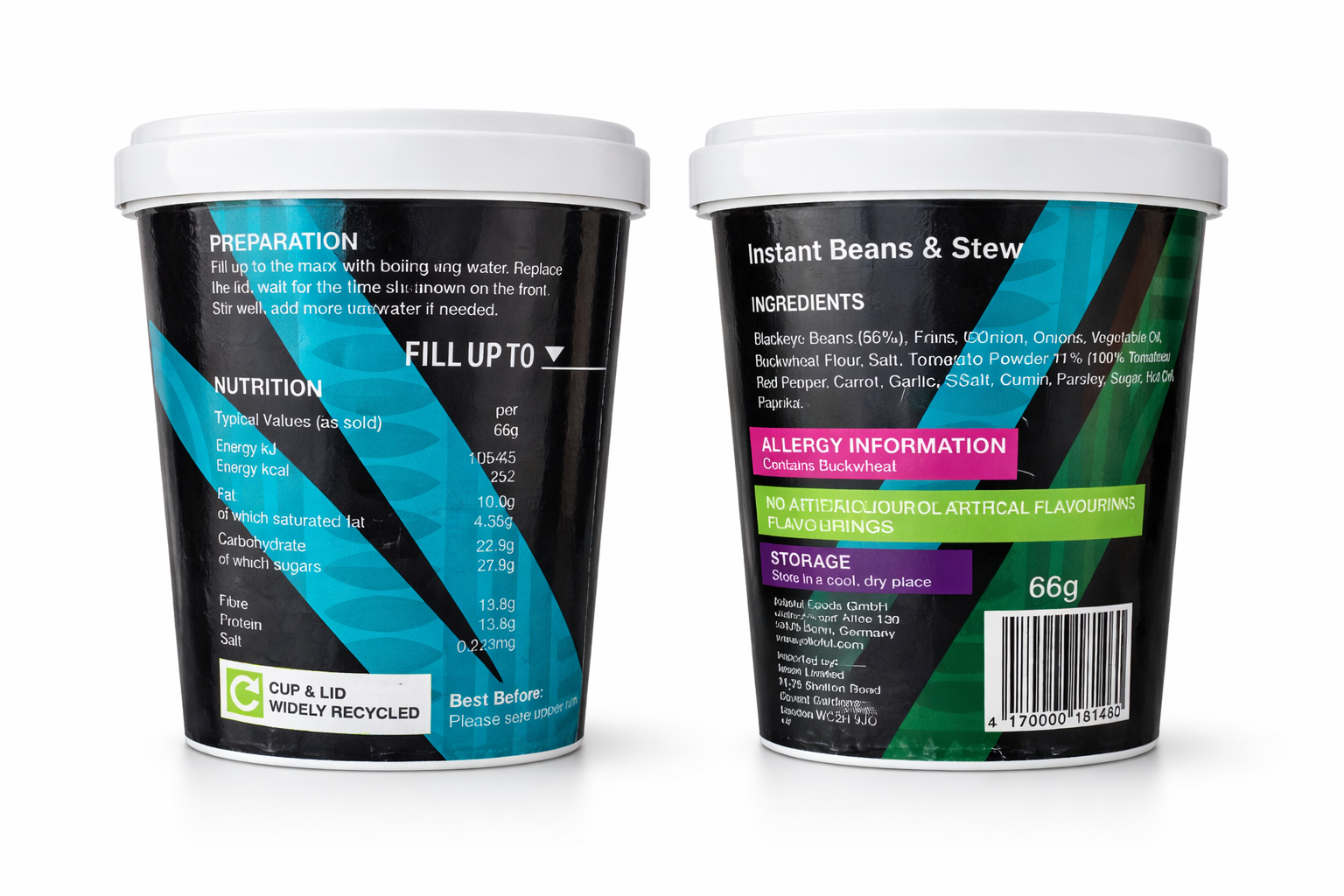
A shelf-life label gives one part of the story. The storage line and preparation instructions fill in the rest.
Look for phrases such as “store in a cool, dry place”, “once opened, consume within…” or “consume immediately after preparation”. These are not small-print extras. They explain the conditions behind the date on the pack.
For meal pots and quick-prep pantry meals, the preparation method matters too. Use the amount of hot water stated, cover for the recommended time, and stir well. It helps deliver the texture and flavour the recipe was developed for. It also means you are not judging a meal unfairly because it was prepared in a hurry.
Allergen information should get the same attention. Shelf life does not change whether a product contains an allergen, and recipe details can vary between products. If you manage allergies or dietary needs, read the pack every time rather than relying on memory.
When Is Food Past Its Best, Rather Than Past Its Date?
This is where context matters. A sealed, dry product a short time after its best-before date may simply have lost a little brightness in flavour or changed slightly in texture. That may be perfectly acceptable, especially if the pack has been stored well.
A product that is still within date but has been exposed to moisture, heat or package damage is a different situation. The printed date cannot undo poor storage. If anything seems off, leave it out.
There is no prize for taking risks with food. The point of understanding labels is not to convince yourself to eat everything indefinitely. It is to make better calls: respect safety dates, assess best-before products sensibly, and store food in a way that gives it the best chance of staying delicious.
A Smarter Cupboard Means Less Waste and Better Meals
A quick monthly cupboard check can save money and reduce the last-minute scramble. Put newer products behind older ones, keep packages visible, and plan one or two meals around items approaching their best-before date. This is not about treating flavour as an afterthought. It is about enjoying food when it is still showing up properly.
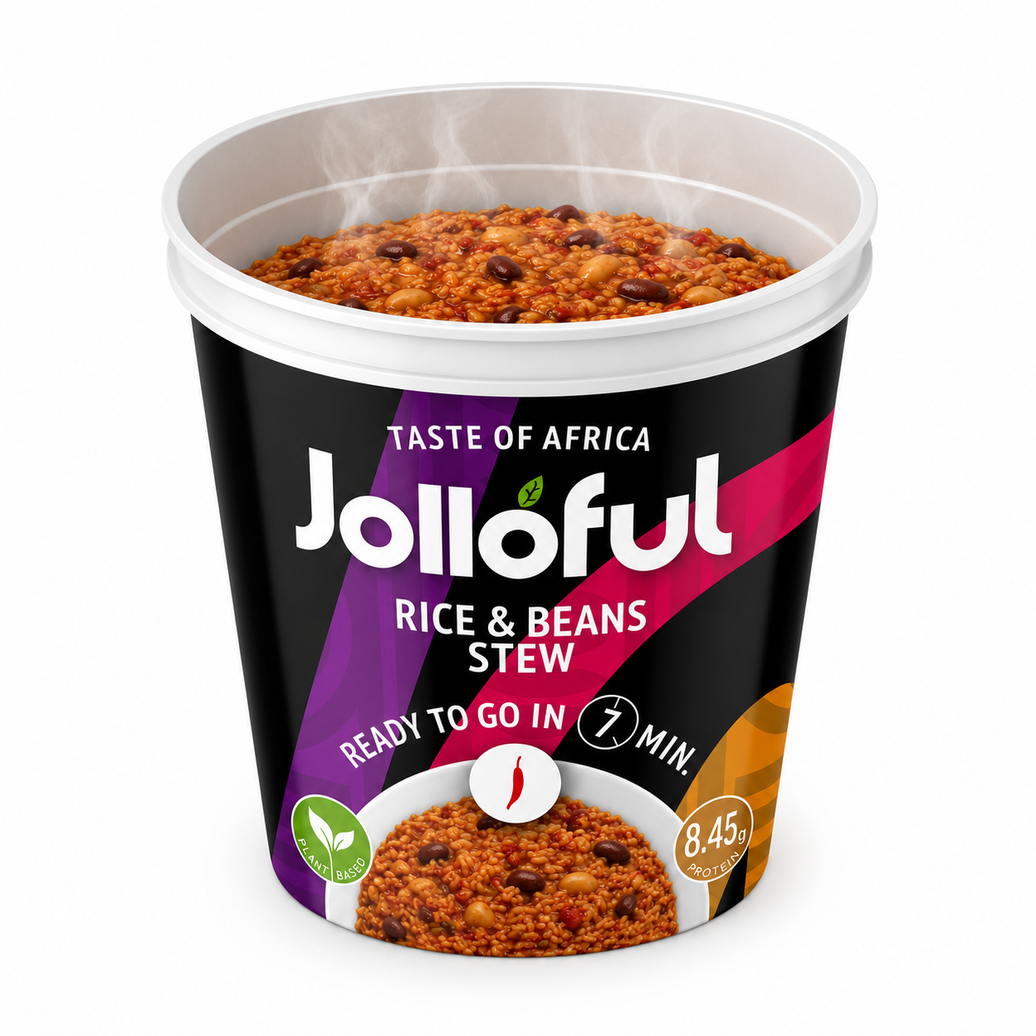
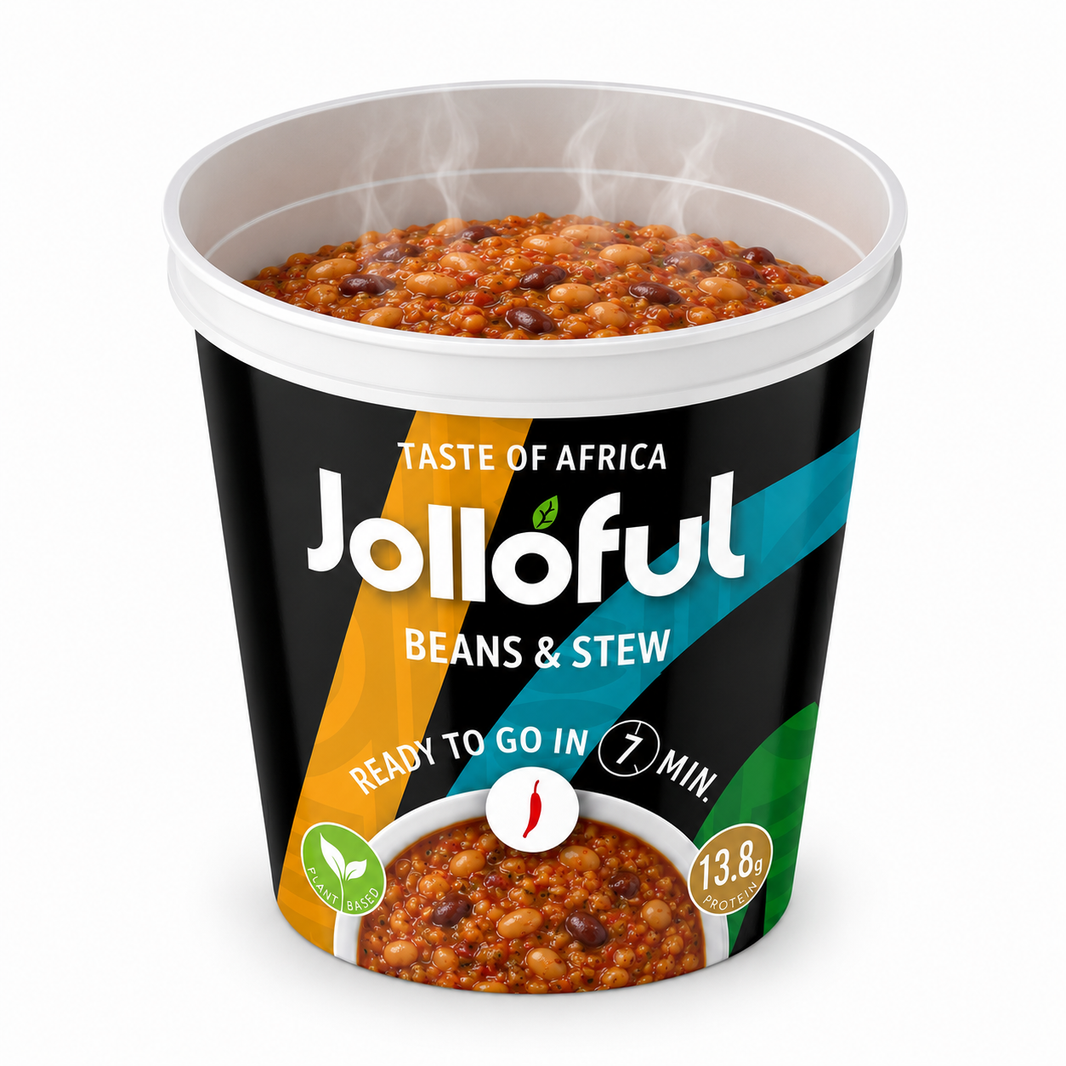
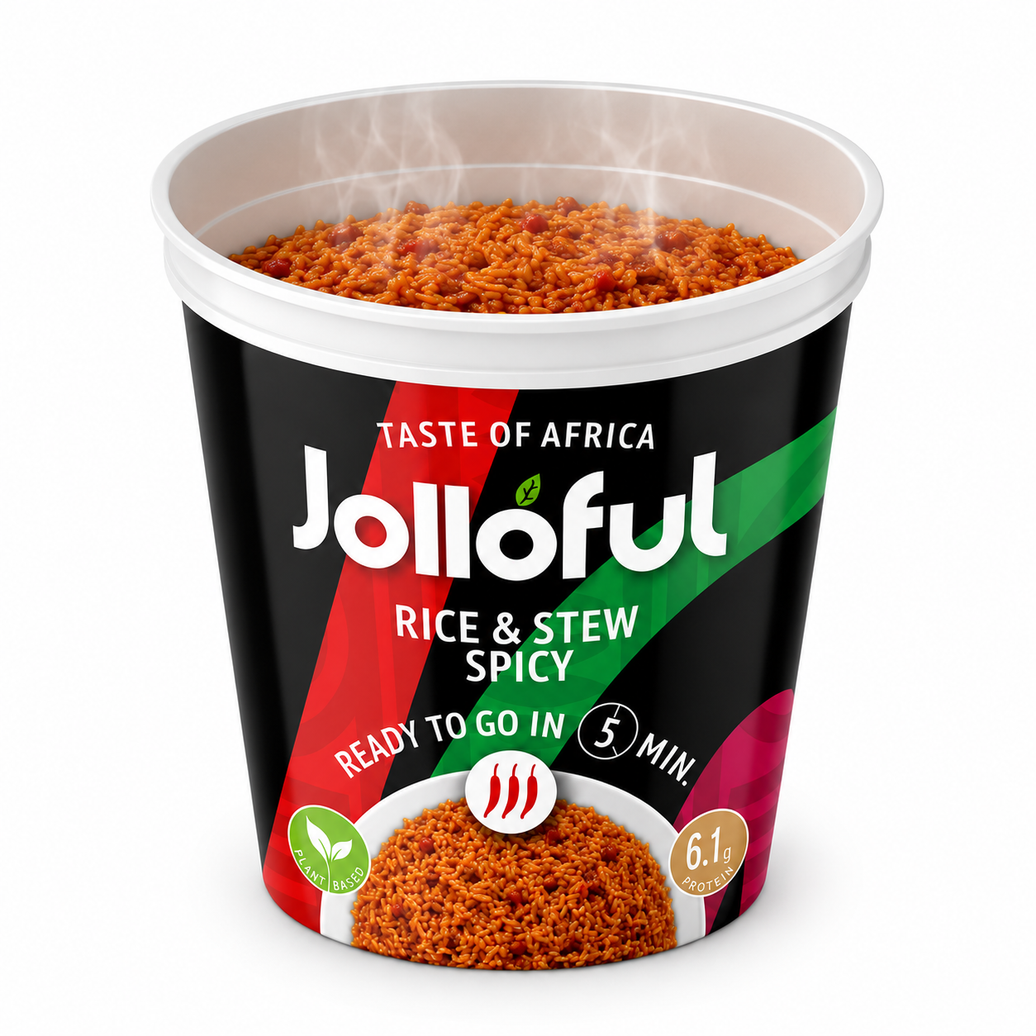
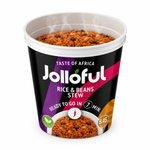
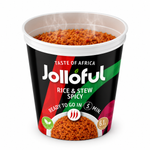
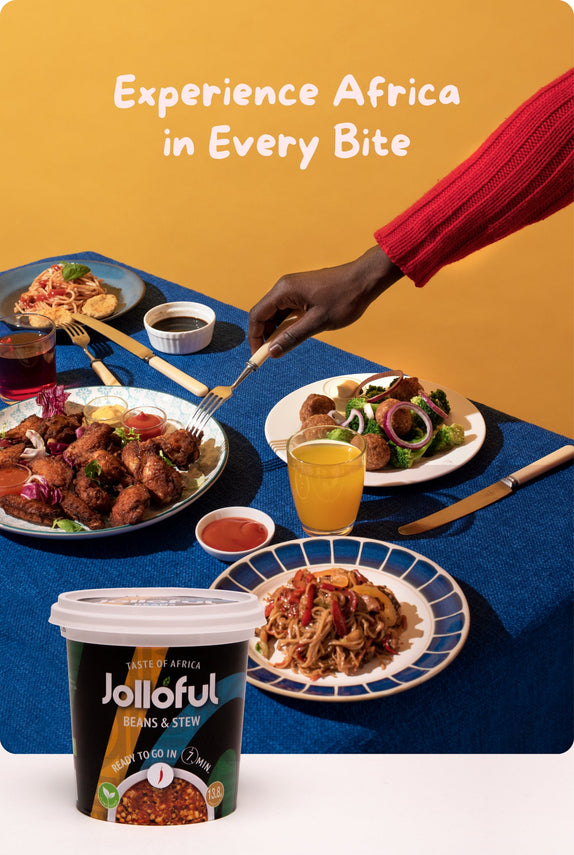
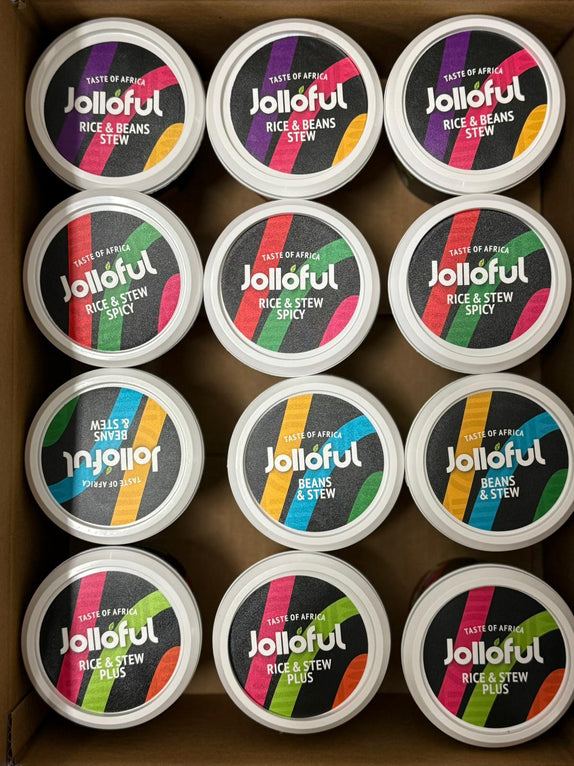
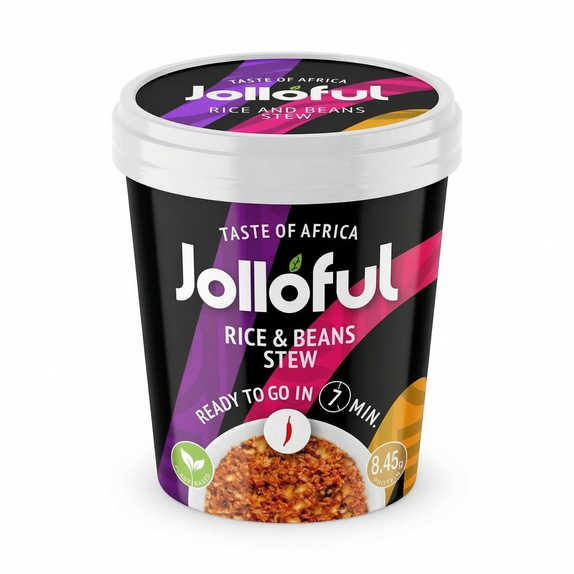
Shelf-stable meals are especially useful for this. They give you breathing room between shops and an easy route to a satisfying meal when your schedule is packed. Brands such as Jolloful make that convenience feel far more exciting than a bland backup option: real ingredients, rooted recipes and full-bodied African flavour that is ready when you are.
The next time you spot a date on a packet, pause before deciding its fate. Read the words around it, check how it has been stored, inspect the packaging and let the label guide you. A good cupboard meal should bring ease to your day, not uncertainty.



Hinterlasse einen Kommentar