
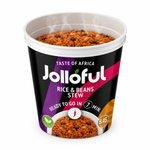
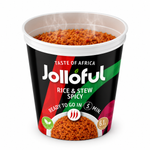

Order your 8-pack / 12 pack box today
A quick meal should not feel like a chemistry lesson. When you are hungry between meetings, getting in late, or feeding a busy household, the ingredients matter as much as the minutes. So, what is clean label food? It is food made with ingredients people can recognise, presented with clear, honest labelling and without a long list of artificial extras.
That sounds simple because it should be. Clean label food is about making convenience feel more like real food - flavourful, straightforward and rooted in ingredients with a purpose.
What is clean label food, really?
There is no single legal definition of “clean label” in the UK. It is not a regulated badge that automatically guarantees a product is healthier, organic, low in salt or made from scratch. Instead, it is a consumer-led standard of clarity: shoppers want to know what is in their food and why it is there.
In practice, clean label products tend to have shorter, more familiar ingredient lists. Think grains, pulses, vegetables, herbs, spices, oils and ingredients you might use in your own kitchen. They commonly avoid artificial colours, artificial flavours and added preservatives.
The point is not that every ingredient must be something you could grow in a garden. Food needs to be safe, delicious and practical. The point is that ingredients should earn their place. If something helps build flavour, texture, nutrition or shelf life, a good brand should be able to explain it clearly.
For African food, that clarity should never mean sanding down the character of the dish. Real flavour can come from bold spice blends, aromatics, peppers, legumes and slow-building seasoning - not a generic flavour powder designed to make every meal taste the same.
Clean label is not a shortcut for “healthy”
A clean label can be a strong sign that a brand takes ingredient quality seriously, but it is not a nutritional halo. A product can have a tidy ingredient list and still be high in salt, sugar or saturated fat. Equally, an ingredient with a scientific-sounding name is not automatically harmful or unnecessary.
This is where a little common sense beats marketing buzzwords. Look at the whole pack: the ingredients, nutrition table, portion size and how the meal fits into your usual diet. If you eat a convenient meal after the gym, during a rushed lunch break or on a train home, you may value different things than you would at a relaxed weekend dinner.
“Natural” is not the same as clean label either. Natural is a broad claim and can mean different things in different contexts. “No artificial colours” is more specific. “No added preservatives” is more specific still. The best packaging does not ask you to take vague claims on trust. It gives you enough information to make your own call.
How to read a clean label without overthinking it
Turn the pack around. The front can tell you what a product wants to be known for; the back tells you what it is made of. You do not need a nutrition degree to assess a label, just a few useful questions.
Start with the ingredient list. Are the main ingredients foods you recognise? A longer list is not always a red flag, especially for dishes built on layered spice, vegetables and multiple components. But a list packed with artificial additives, colours or vague flavourings deserves a closer look.
Then check the nutrition panel in the context of the portion. For a meal, protein and fibre can help with fullness, while salt and saturated fat are worth keeping an eye on if you eat packaged foods often. No single number tells the entire story, but it helps you compare like with like.
Look for these four signals when you want a more transparent convenience option:
- Recognisable foundations: grains, beans, vegetables, herbs, spices and oils are clearly named.
- Specific flavour: the label says what creates the taste, rather than hiding behind a catch-all “flavouring”.
- Clear claims: statements such as no artificial colours or no added preservatives are easy to find and do not overpromise.
- A sensible role in your routine: the meal offers genuine convenience without asking you to accept blandness or mystery ingredients.
Do not obsess over whether every word is familiar. Ingredients such as citric acid, for example, can be used to balance acidity and are not automatically a problem. What matters is the overall recipe, the reason an ingredient is included and whether the brand is communicating openly.
Can shelf-stable food still be clean label?
Absolutely. Long shelf life does not automatically mean a meal is heavily processed or loaded with preservatives. Shelf-stable foods can be made safe through careful production methods, moisture control, protective packaging and heat treatment. Those methods are different from simply adding preservatives to a recipe.
That matters for modern life. Fresh food is brilliant, but it is not always realistic to shop, prep and cook every day. A cupboard meal that is ready in minutes can reduce last-minute takeaway decisions, make lunch at work easier and keep a proper option close by when the fridge is empty.
The trade-off is worth understanding. Shelf-stable meals may have a different texture from food served straight from the pot, and some recipes require thoughtful formulation to rehydrate well. But convenience does not have to mean artificial colour, added preservatives or a flat, one-note taste.
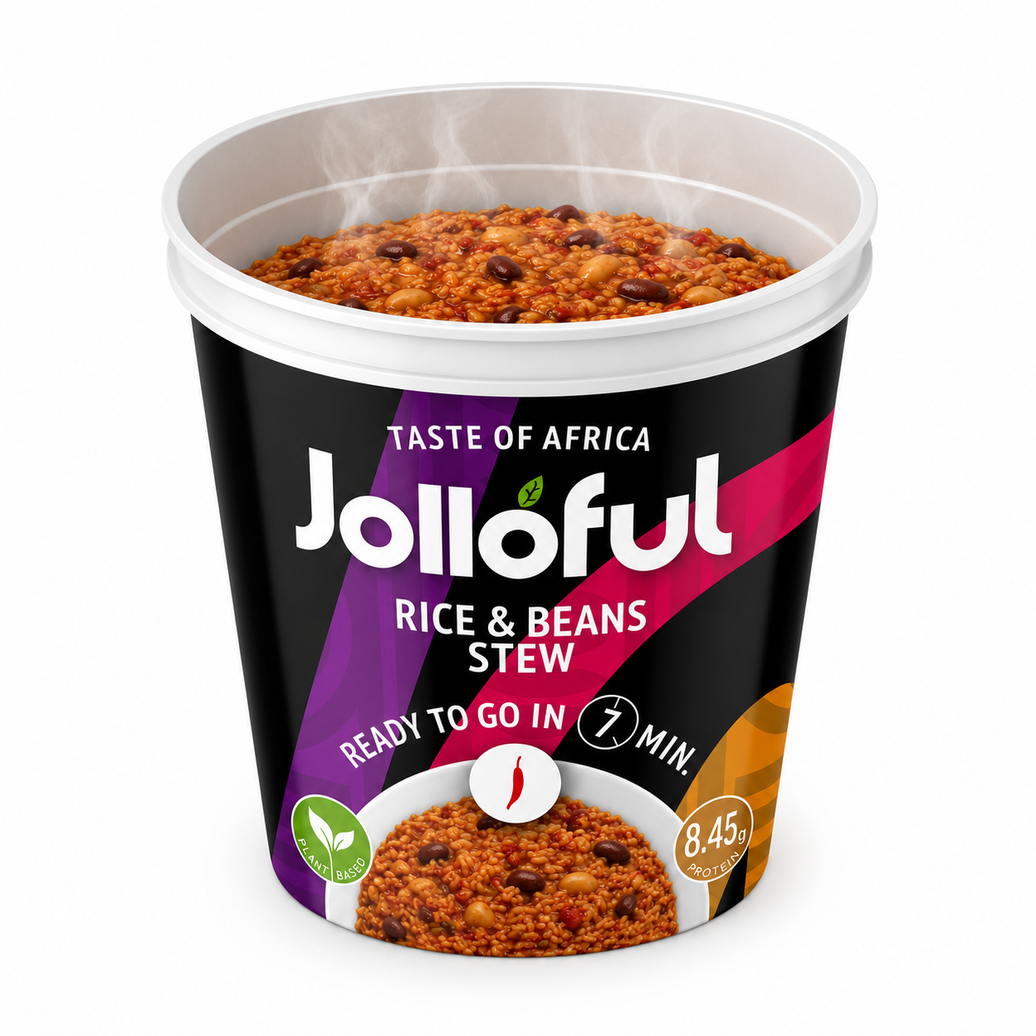
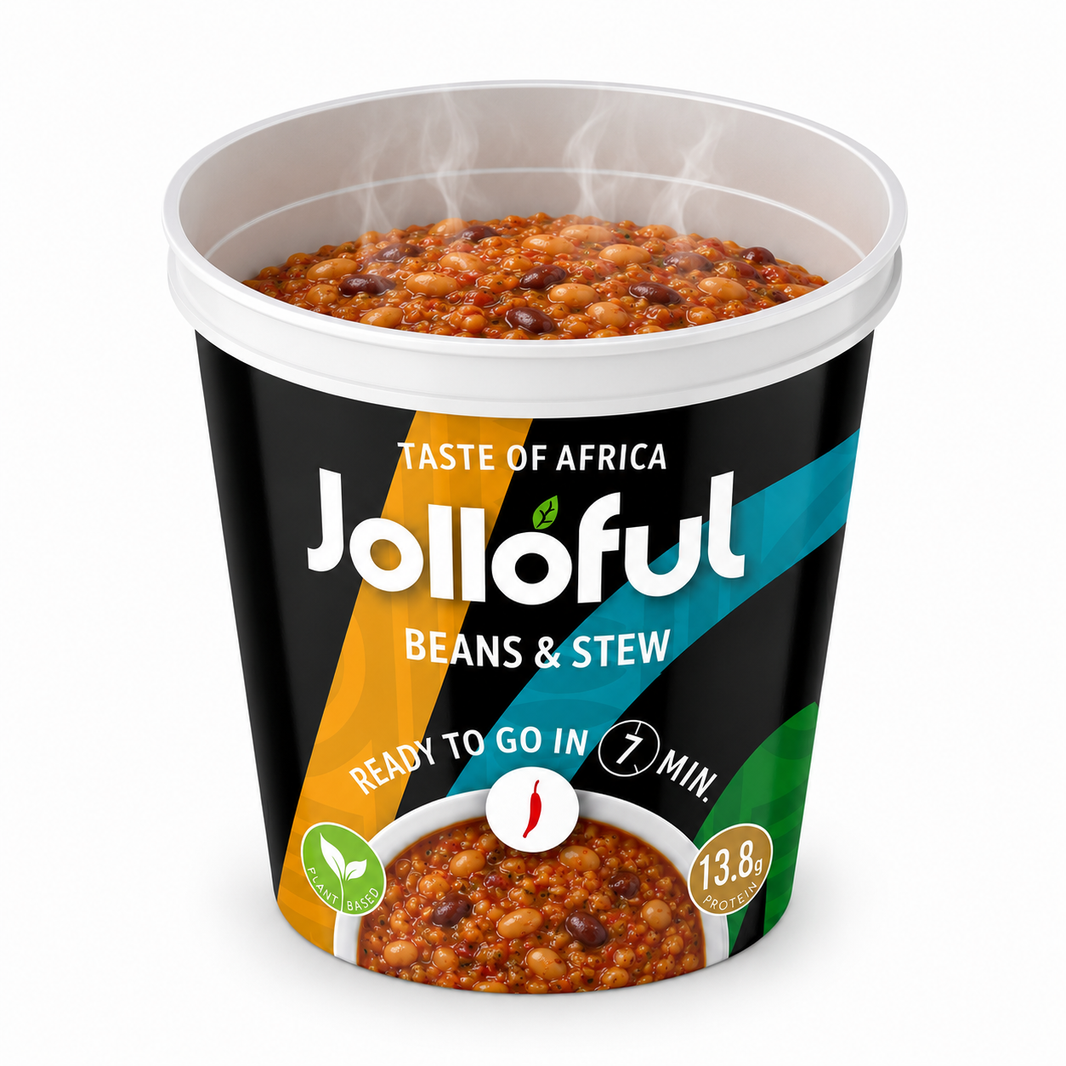
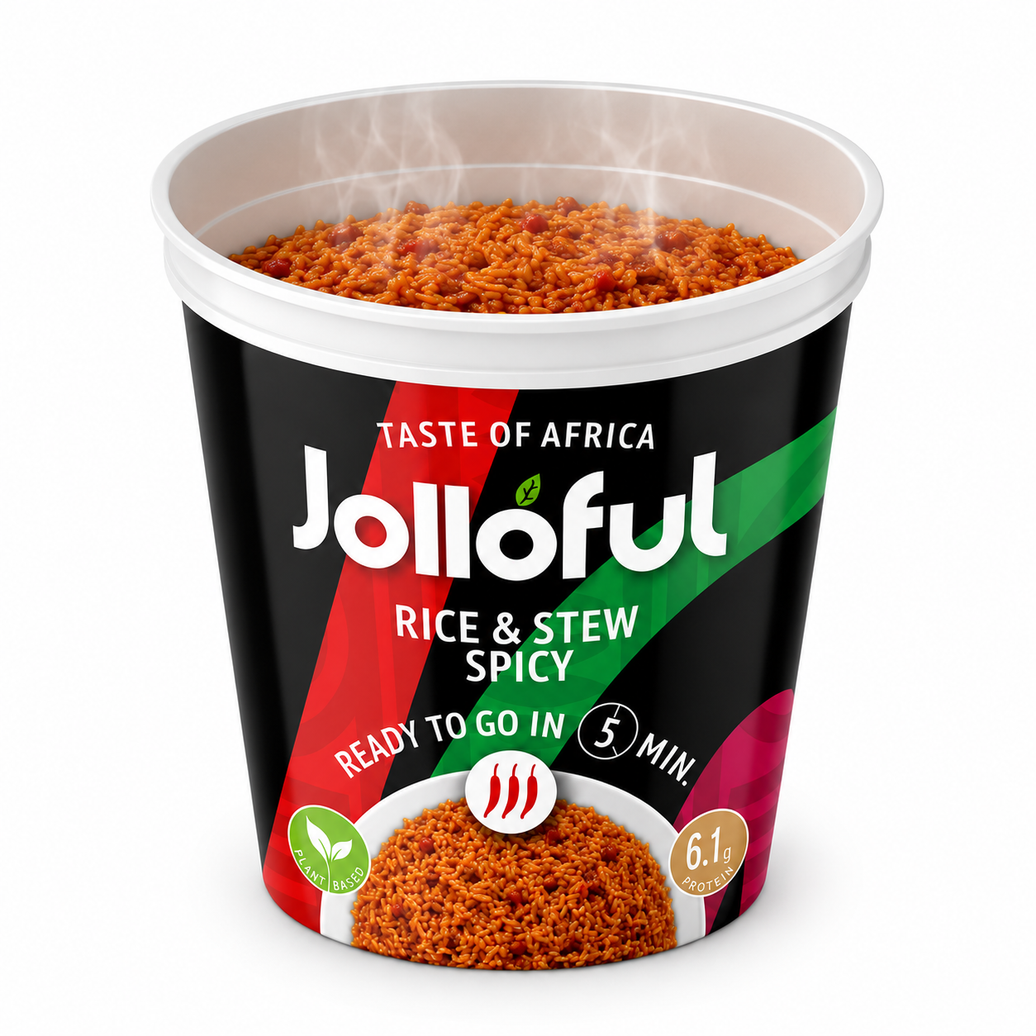
At Jolloful, that is the standard: authentic African-inspired flavour made practical for the pace of everyday life. Real food, rooted in culture, should be ready when you are - not reserved for the rare evening when you have hours to cook.
Why clean labels matter beyond the ingredient list
Clean label food is partly about trust. People are tired of being sold convenience that tastes anonymous and comes with a list of ingredients they cannot place. They want food that respects their time without treating their expectations as negotiable.
It also matters culturally. For diaspora households, familiar flavours can carry memory, comfort and connection. For someone trying African cuisine for the first time, a clear label lowers the barrier: you can see the grains, pulses, spices and vegetables behind the flavour. There is no need to choose between discovery and confidence.
Still, clean label should not become a purity contest. A food label is not a measure of someone’s discipline, values or worth. The goal is not perfection. It is having more good options - especially on the days when speed matters.
Choosing food that works as hard as you do
The best clean label choices are the ones you will actually reach for. Choose meals with ingredients you understand, flavours you genuinely look forward to and preparation that fits your real schedule. Keep an eye on nutrition, but leave room for pleasure too. Food should nourish your body, yes, but it should also taste like somebody cared.
Next time you scan a supermarket shelf or fill your cupboard, look past the loud claims. Find the products that are clear about what they contain, generous with flavour and proud of where their recipes come from. That is a better kind of convenience.


Hinterlasse einen Kommentar