



You do not need to start with the hottest pepper on the plate or a ten-ingredient recipe to get into African food. African flavours for beginners are often far more approachable than people expect - rich tomato bases, warming spices, slow-cooked depth, savoury rice dishes, silky stews and ingredients that feel comforting from the first bite.
That matters, because too many people still treat African food as either a challenge or a novelty. It is neither. It is everyday food, celebration food, home food and convenience food when done properly. If you are curious but not sure where to begin, the best approach is simple: start with flavour profiles you already enjoy, then build from there.
What African flavours for beginners really means
A lot of first-time eaters hear "African" and imagine one single taste. That is the first myth to drop. Africa is a vast continent with distinct regional cuisines, ingredients and cooking styles. West African food alone can move from smoky and peppery to earthy and deeply savoury, depending on the dish, the cook and the occasion.
So when we talk about African flavours for beginners, we are not talking about a watered-down version of the real thing. We are talking about an easy entry point into authentic flavours. The goal is not to strip out character. The goal is to meet flavour with confidence.
For most people, that means looking for dishes with familiar anchors. Tomato, rice, beans, chilli, onions, peppers, ginger and garlic are not niche ingredients. What makes the experience distinct is how they are layered, balanced and cooked. African food often builds flavour patiently, and that depth is exactly what makes it memorable.
Start with flavour, not fear
If you are used to bland convenience meals, African food can taste bigger straight away. That does not automatically mean it is too spicy. Bold and spicy are not the same thing. A dish can be bold because it has savoury depth, sweetness from slow-cooked onions, brightness from tomatoes or warmth from ginger and pepper.
That is a useful distinction for beginners. Many people say they are nervous about spice when what they really mean is that they do not want pain instead of flavour. Fair enough. Good African cooking does not rely on heat alone. Heat is one tool, not the whole story.
A sensible starting point is to choose meals where the spice is balanced by starches or rich bases. Rice dishes, bean-based meals and tomato stews tend to feel accessible because the structure is familiar. You get the excitement of something new without losing your footing.
The easiest entry points for beginners
If you are new, texture can be just as important as flavour. Some people are open to new tastes but hesitate when the texture is unfamiliar. That is why rice dishes are usually the strongest place to begin.
Jollof-style rice
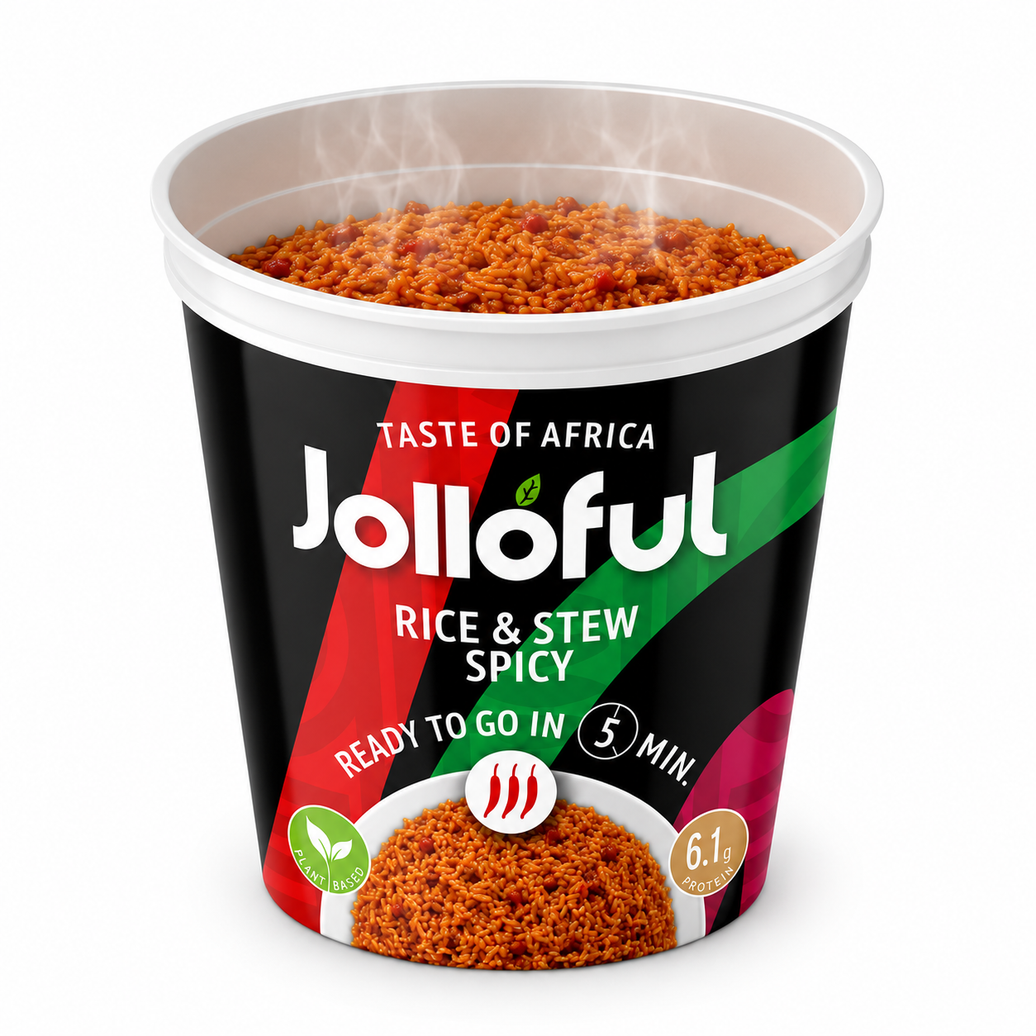
Jollof-style rice is often the gateway for a reason. It is vibrant, tomato-rich, savoury and deeply satisfying. The flavour usually comes from tomatoes, peppers, onions and seasoning cooked into the rice rather than sitting on top of it. For someone used to rice-based meals from other cuisines, it feels familiar enough to understand but distinct enough to remember.
Bean and rice combinations
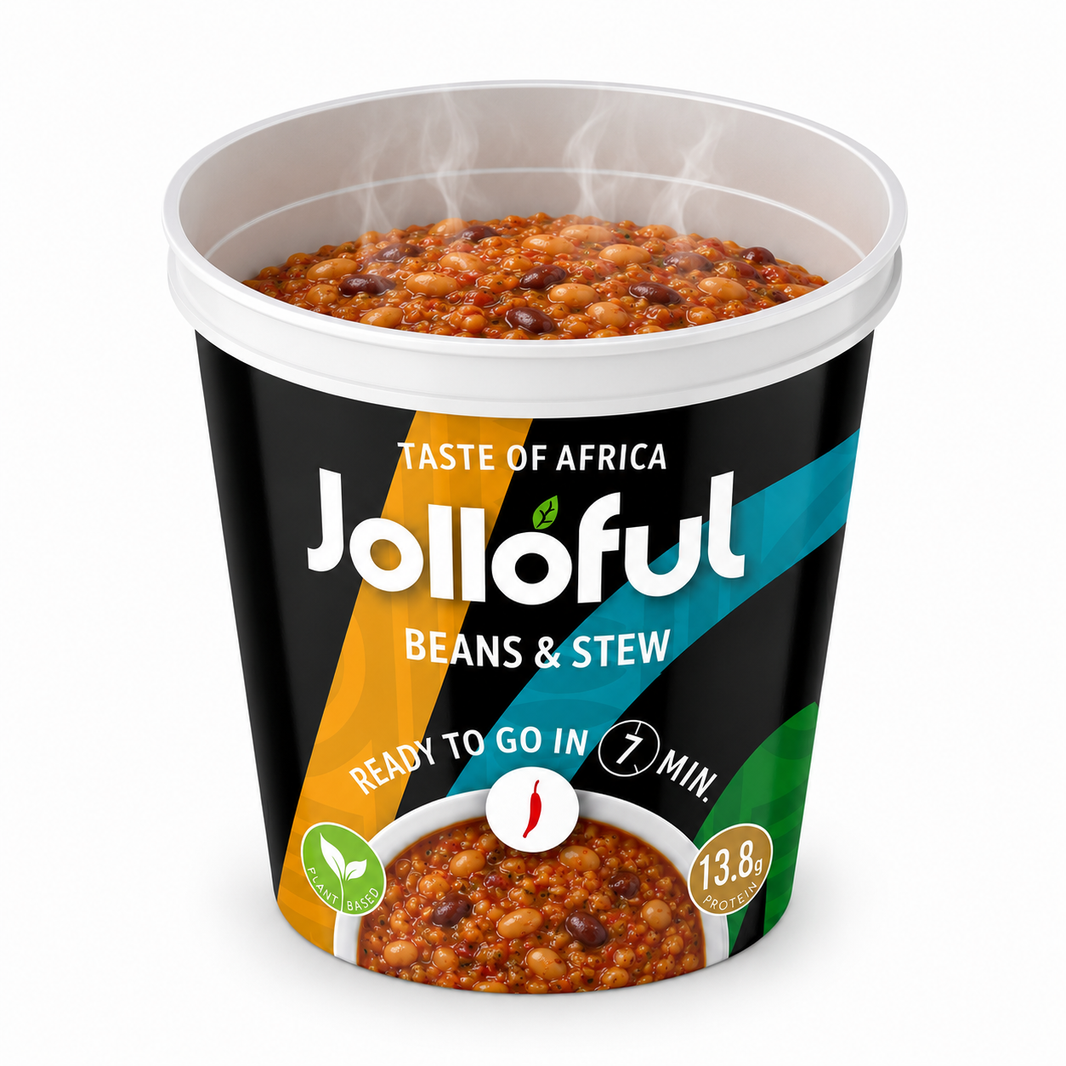
Beans are another smart starting point. Across African cuisines, beans often carry seasoning beautifully and bring comfort, body and staying power. Combined with rice, they create a meal that feels grounded rather than intimidating. If your weeknights are busy, this is also the kind of food that makes practical sense - filling, fast and full of actual flavour.
Tomato-based stews
A well-made tomato stew can win over almost anyone. It usually has a savoury backbone, a little sweetness, some warmth and a depth that canned pasta sauces simply do not touch. If you already enjoy Mediterranean or Latin tomato dishes, this is not a leap. It is a new conversation with an ingredient you already trust.
Ingredients that shape the flavour
You do not need to memorise a pantry list to enjoy African food, but it helps to know what creates that signature depth. Tomatoes and peppers often build the base. Onion, garlic and ginger add body and lift. Chilli brings heat when wanted, but not every dish needs a heavy hand. Herbs and seasoning blends can shift a meal from earthy to smoky to bright.
Then there are ingredients that define personality. Plantain brings sweetness and softness. Beans bring heft. Rice absorbs sauce and spice beautifully. In some dishes, smoked elements create complexity that feels almost slow-cooked even when the preparation is fast.
This is where convenience often goes wrong in the mainstream market. Too many quick meals flatten flavour in the name of speed. The better approach is to keep the ingredients real and let the recipe do the work. That is why shelf-stable African meals can be genuinely useful when they respect the original flavour profile instead of reducing it to a generic "spicy" label.
What beginners often get wrong
The biggest mistake is assuming every African dish is fiery. The second is expecting one universal standard of authenticity. There is no single African flavour, and there is no one-size-fits-all spice level.
Another common mistake is treating African food as a weekend project only. Yes, many traditional dishes involve time, technique and family knowledge. But that does not mean African flavours belong only to special occasions. They also belong in ordinary life - lunch breaks, late evenings, student kitchens, office cupboards and family dinners squeezed between work and school runs.
That is especially relevant for people in the UK, Ireland and Germany who want better convenience food without settling for bland, ultra-processed options. Fast should not mean forgettable.
How to build your taste gradually
If you are curious but cautious, start with one dependable format and repeat it. Try a rice dish first. Notice whether you enjoy tomato-led richness, pepper warmth or smoky savouriness. Once you know what you like, it becomes much easier to branch out.
Then adjust one variable at a time. If you are unsure about spice, begin mild and move up. If you are unsure about texture, choose meals built around rice or beans before exploring softer starches or more complex stews. If you usually eat meals on the go, convenience formats can actually help because they remove the pressure of sourcing ingredients and getting the method right on your first try.
There is no prize for choosing the most intense dish first. The smarter move is consistency. A flavour you try once under the wrong conditions can feel overwhelming. The same flavour in the right portion, at the right time, can become a staple.
Why convenience matters here
There is still a strange assumption that authentic food must be inconvenient to be real. That is outdated. Modern life is busy, and people still deserve meals with identity, care and actual flavour.
For beginners, convenience can be the difference between curiosity and action. A ready-to-go African meal with a clean ingredient list and proper flavour balance lowers the barrier without lowering the standard. You are not forced to decode a long recipe after work. You get a real introduction through a format that fits your day.
That is part of the reason brands like Jolloful resonate with both diaspora households and first-time buyers. The appeal is not just speed. It is access - access to flavour, access to culture and access to a proper meal that does not taste like compromise.
African flavours for beginners can still be authentic
Beginner-friendly does not need to mean stripped back, softened beyond recognition or built for the lowest common denominator. It should mean legible, balanced and easy to enjoy from the first spoonful.
Authenticity is not about making food hard to access. It is about respecting the ingredients, the flavour logic and the cultural roots behind the meal. Sometimes that comes from a long home-cooked dish. Sometimes it comes from a shelf-stable cup that is done properly. What matters is whether the food still tastes like itself.
If you are just starting out, give yourself permission to begin with what feels easy. Choose the rice dish. Choose the tomato base. Choose the meal that fits into your Tuesday, not your fantasy version of a free Sunday afternoon. African food does not need a special occasion to earn a place at your table. It just needs one honest try.


Hinterlasse einen Kommentar