
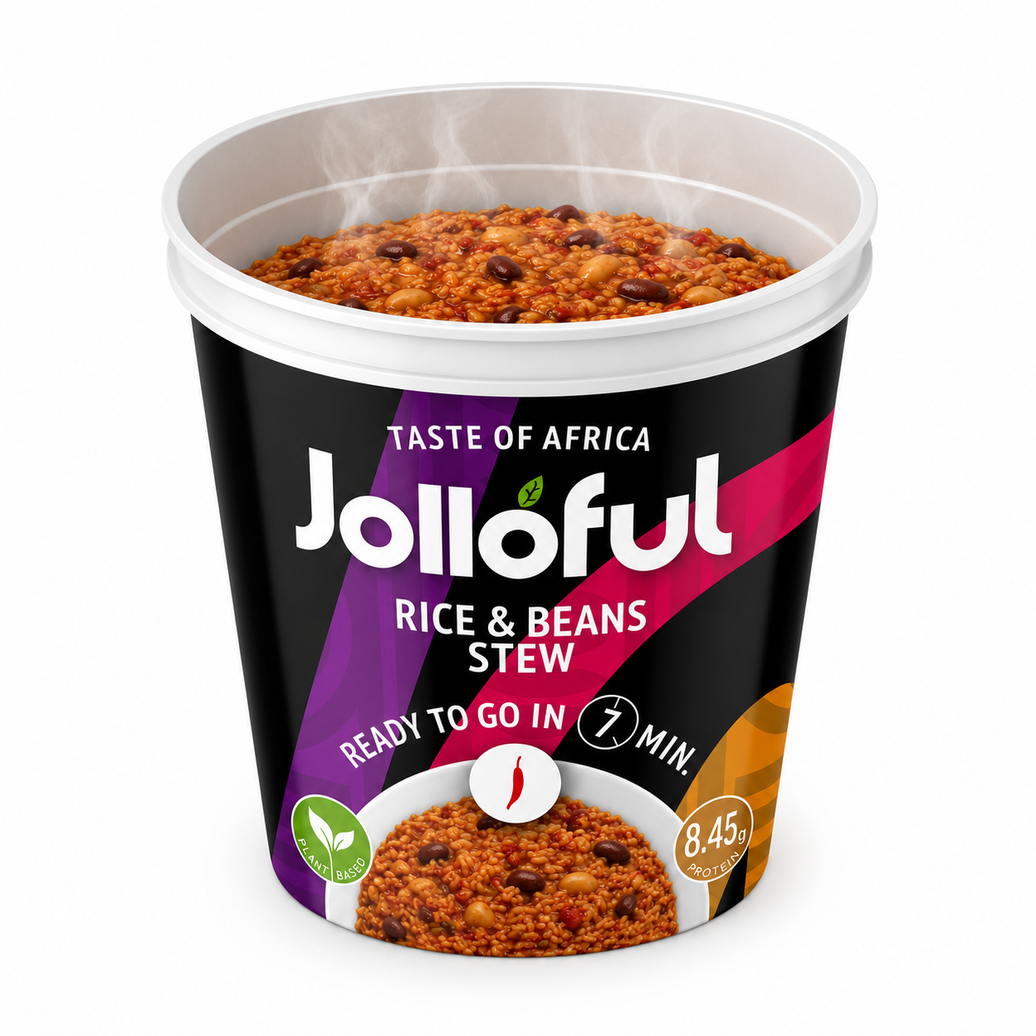
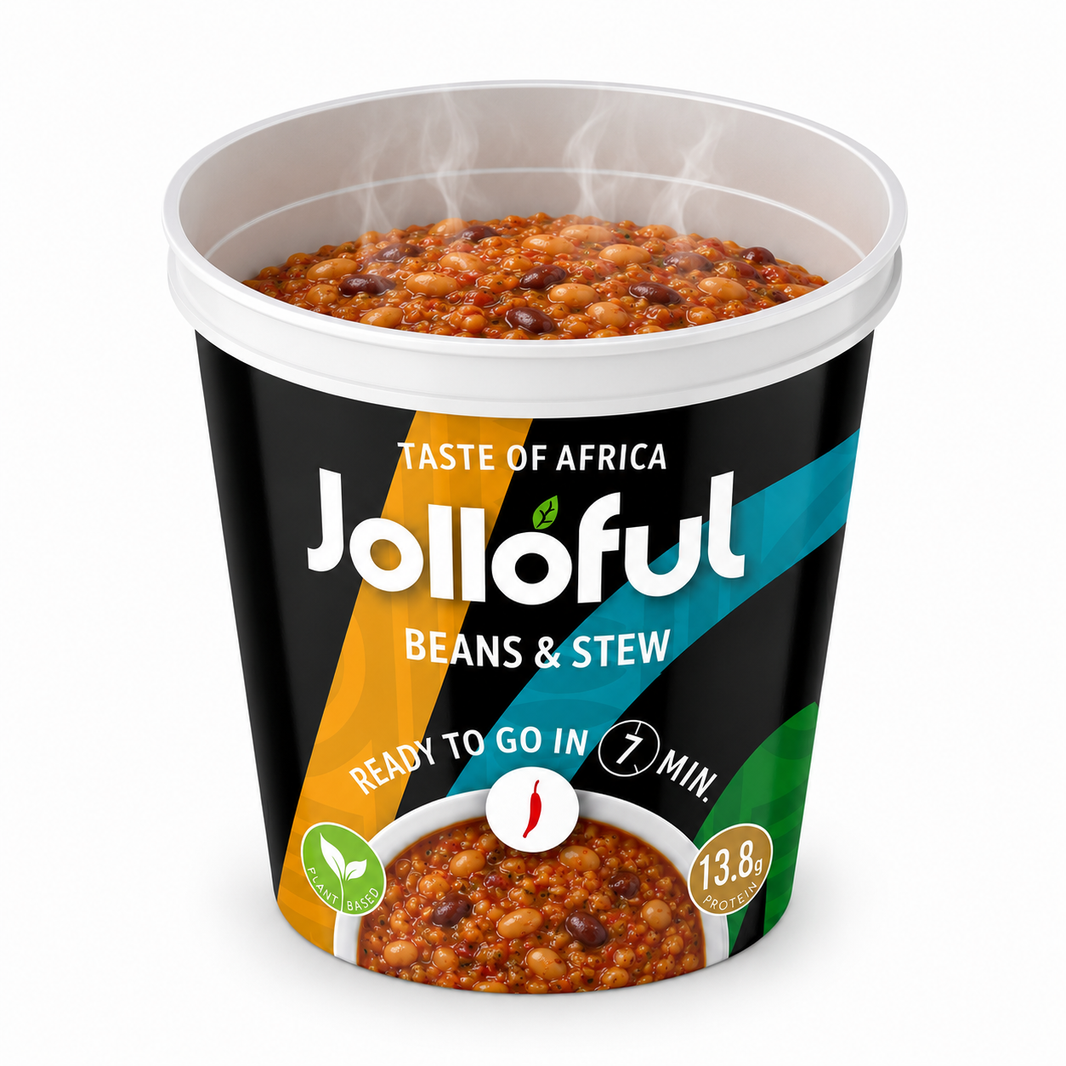
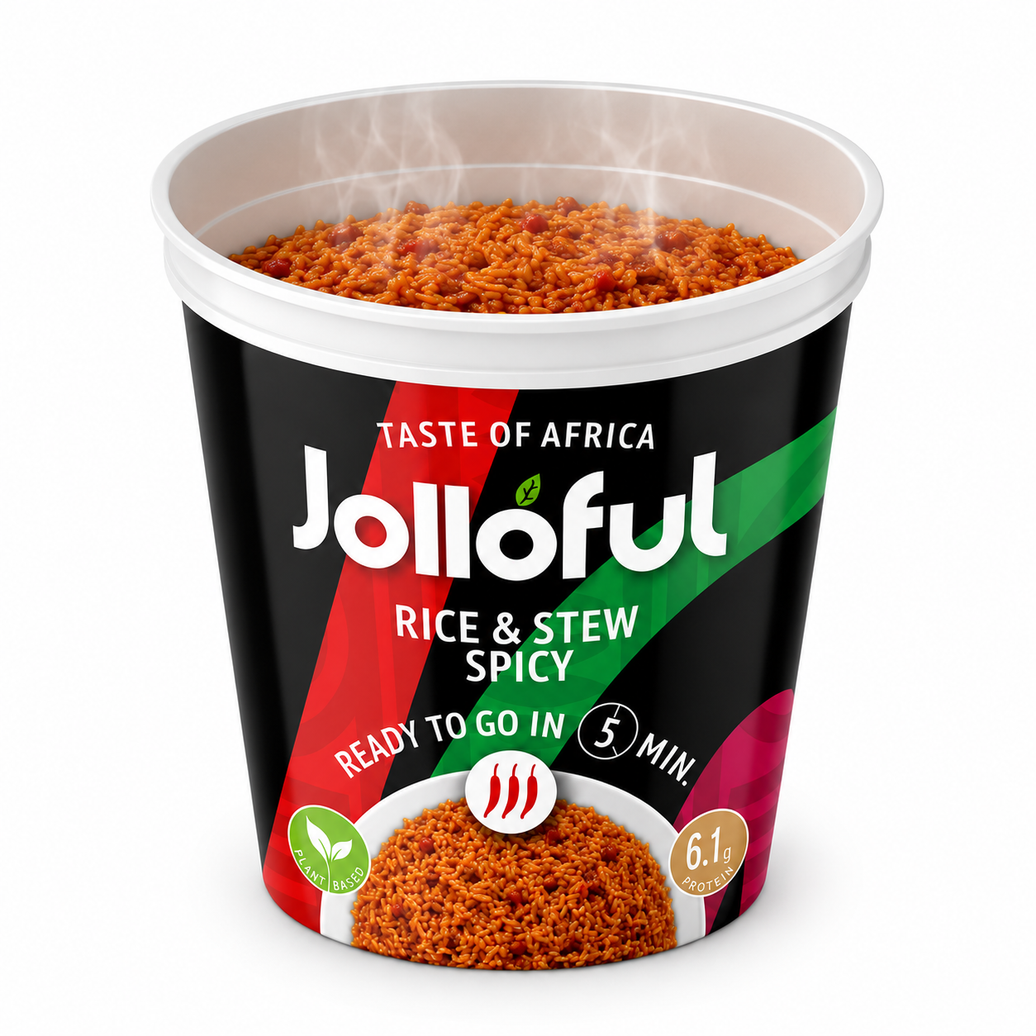
You can tell a lot about a convenience meal before the kettle has even boiled. Turn the pack over. If the ingredient list reads like a chemistry worksheet, the promise on the front starts to wobble. That is why a guide to clean label convenience food matters now more than ever - because busy does not have to mean bland, overworked, or disconnected from real food.
For plenty of shoppers across the UK and Europe, convenience has long come with a trade-off. Fast meals were expected to be cheap-tasting, heavily processed, and nutritionally vague. Clean label food challenges that old deal. It asks a better question: can a shelf-stable meal still feel honest, flavourful, and culturally real? The answer is yes, but only if you know what you are looking at.
What clean label convenience food actually means
Clean label is not a legal term, so brands can stretch it if they want to. That makes it useful as a principle, but not enough on its own as proof. In practical terms, clean label convenience food usually means shorter, more recognisable ingredient lists, fewer artificial additives, and a clearer link between what is on the label and what you would expect in a real kitchen.
That does not mean every ingredient has to sound rustic or homemade. Shelf-stable foods still need to stay safe and consistent. Drying, sealing, and smart packaging all play a role. What matters is whether the product relies on real ingredients and understandable processing, rather than masking weak quality with artificial flavourings, added colours, or a long chain of fillers.
A clean label meal should not pretend to be fresh from the hob if it is not. It should simply be transparent about how it gets from cupboard to bowl.
The real test in a guide to clean label convenience food
The easiest way to judge a product is not the front-of-pack claim. It is the ingredient list, the order of those ingredients, and the overall logic of the product.
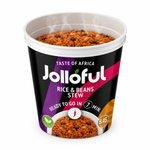
If the first few ingredients look like the food you are trying to buy, that is a good sign. If you are buying a jollof-style rice cup, you would expect to see rice, tomato, onion, pepper, seasonings, perhaps dried vegetables or spices. If instead you see a formula built around starches, sugar, flavour enhancers, and colourings, the product may be convenient, but it is not exactly honest.
There is also a difference between familiar and meaningful. A label can be short and still disappointing if it is built from low-value ingredients. Clean label should not become a halo that distracts from flavour, cultural integrity, or satisfaction. A meal can avoid artificial preservatives and still taste flat. It can use natural flavouring and still feel generic. Real quality takes more than a tidy back panel.
Why busy people are rethinking convenience
Young professionals, students, parents, and anyone racing between work, commuting, and real life do not need lectures about time. They need food that meets the pace of modern living without treating them like they have given up on standards.
That shift is part of why clean label convenience food is growing. People want meals that fit into a lunch break, an office drawer, a late return home, or a quick dinner between school runs. But they also want food with some dignity. They want ingredient transparency. They want flavour that tastes like someone cared. And increasingly, they want options beyond the old beige convenience aisle.
This is where culturally rooted foods are changing the category. Convenience no longer has to mean another forgettable pot of noodles or a microwave meal with no personality. It can mean bold, regional flavour. It can mean recipes that reflect real culinary traditions. It can mean meals that feel both efficient and grounded.
What to look for when buying
A useful guide to clean label convenience food starts with realism. No packaged meal will be identical to cooking from scratch at home. The goal is not perfection. The goal is choosing products that make smart compromises rather than bad ones.
Start with ingredients you recognise and can picture in a recipe. Then check for unnecessary extras. Artificial colours are often easy to spot and rarely add value to the eater. Added preservatives are not always present in shelf-stable foods, especially when dehydration and sealed packaging are doing the heavy lifting. Excess sugar can also be a red flag in savoury meals, particularly when it is compensating for weak flavour elsewhere.
Next, think about whether the product is trying to imitate something or actually represent it. This matters more than many brands admit. A convenient meal inspired by a cuisine is not the same as one built with respect for that cuisine. If the flavour profile has been stripped back to offend no one, or if the ingredients have been chosen purely for cost rather than character, that shows.
Texture matters too. Some convenience foods lean on mushiness as a category standard. Better products keep enough structure to feel like food, not paste. A quick-prep meal should still have identity in the bowl.
Shelf-stable does not mean lower quality
This is one of the biggest misunderstandings in packaged food. Shelf-stable has often been treated as a warning sign, when in fact it is simply a format. The quality depends on how the food is made.
Freezing, canning, drying, and retort packaging all preserve food in different ways. None of these methods automatically make a product low quality. In many cases, they are what make convenience possible without relying on artificial preservatives. The smarter question is whether the preservation method protects flavour and ingredient integrity.
For people in the UK, Ireland or Germany who want practical meals in the cupboard for busy weeks, travel, office lunches, or student life, shelf stability is not a compromise in itself. It is often the feature that makes better choices accessible. The difference lies in whether the product has been designed around real food first, or just engineered for margin and mass blandness.
Clean label is not always healthier - and that is worth knowing
There is a temptation to treat clean label as automatically nutritious. Sometimes it is. Sometimes it is simply cleaner in formulation, not necessarily lower in salt, richer in fibre, or more balanced as a full meal.
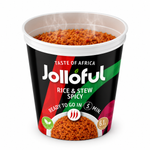
That is not a flaw. It is just context. A spicy rice cup made with real ingredients may be a much better choice than a heavily artificial alternative, but it still needs to fit your wider eating habits. If you are watching salt, protein, or portion size, read beyond the ingredients. Nutrition panels still matter.
The point of clean label convenience food is not to perform wellness theatre. It is to offer a more credible, transparent version of convenience. That is a meaningful shift, but it is not magic.
Why authenticity belongs in this conversation
Too much convenience food has been built on the idea that speed matters more than origin, flavour, or cultural respect. That is changing, and it should. Food is never just fuel. Even in its fastest form, it carries memory, identity, and expectation.
When brands bring African flavours, South Asian dishes, Middle Eastern staples, or other globally rooted meals into convenient formats, the best ones do not flatten those cuisines into a novelty. They make them more accessible while keeping the ingredients and flavour logic intact. That is especially important for diaspora customers who know exactly what has been lost when a dish is over-sanitised for mainstream shelves.
It also matters for first-time buyers. Convenience can be a bridge into cuisines people have not grown up with. If that bridge is built well, it creates trust and appetite for more. If it is built badly, it reduces rich food cultures to a weak shortcut.
That is why clean label and authenticity work best together. Real ingredients support real flavour. Real flavour supports credibility.
A smarter standard for modern meals
Convenience food has had years to lower expectations. The clean label movement, at its best, raises them again. It says a fast meal can still be made with intention. It says shelf-stable does not have to mean soulless. It says people with full schedules still deserve food with flavour, clarity, and cultural depth.
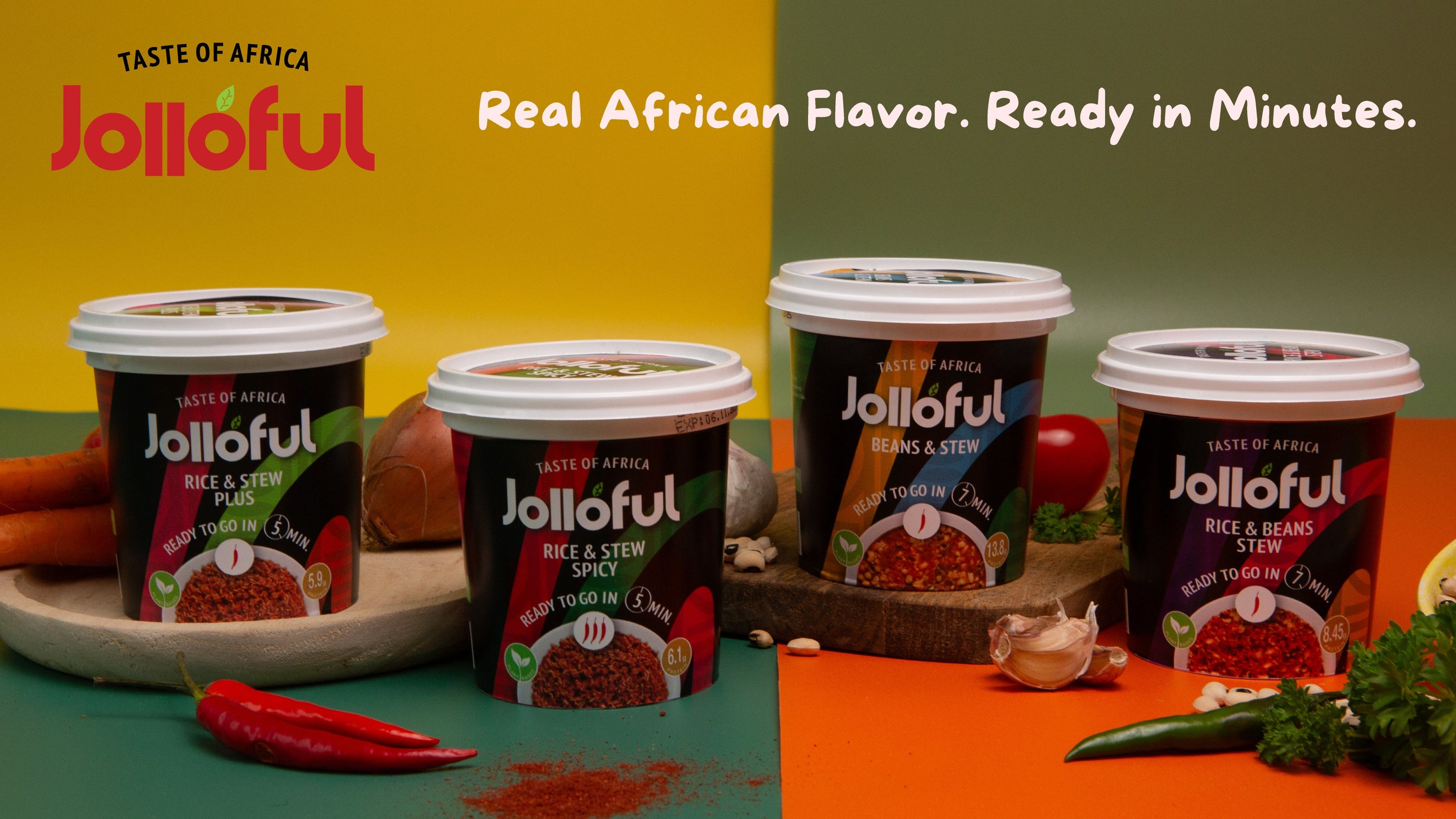
Brands like Jolloful are part of that shift because they reject the tired idea that instant must mean inferior. A meal that is ready in minutes can still be rooted in culture, made with recognisable ingredients, and bold enough to feel worth eating.
The next time you shop the convenience aisle, ask more of it. Not perfection. Not marketing theatre. Just food that tells the truth on the label and delivers something real when you open it. That should not be a luxury. It should be the baseline.


Hinterlasse einen Kommentar