
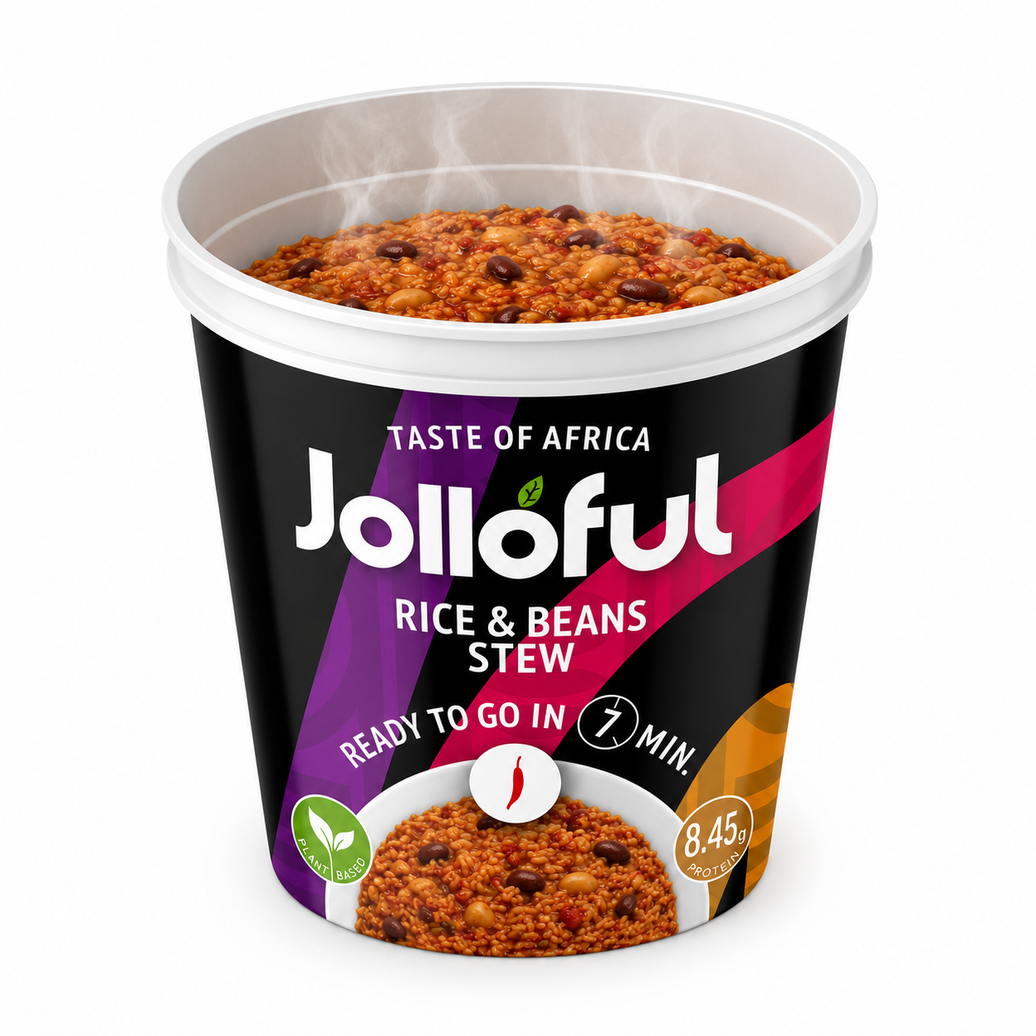
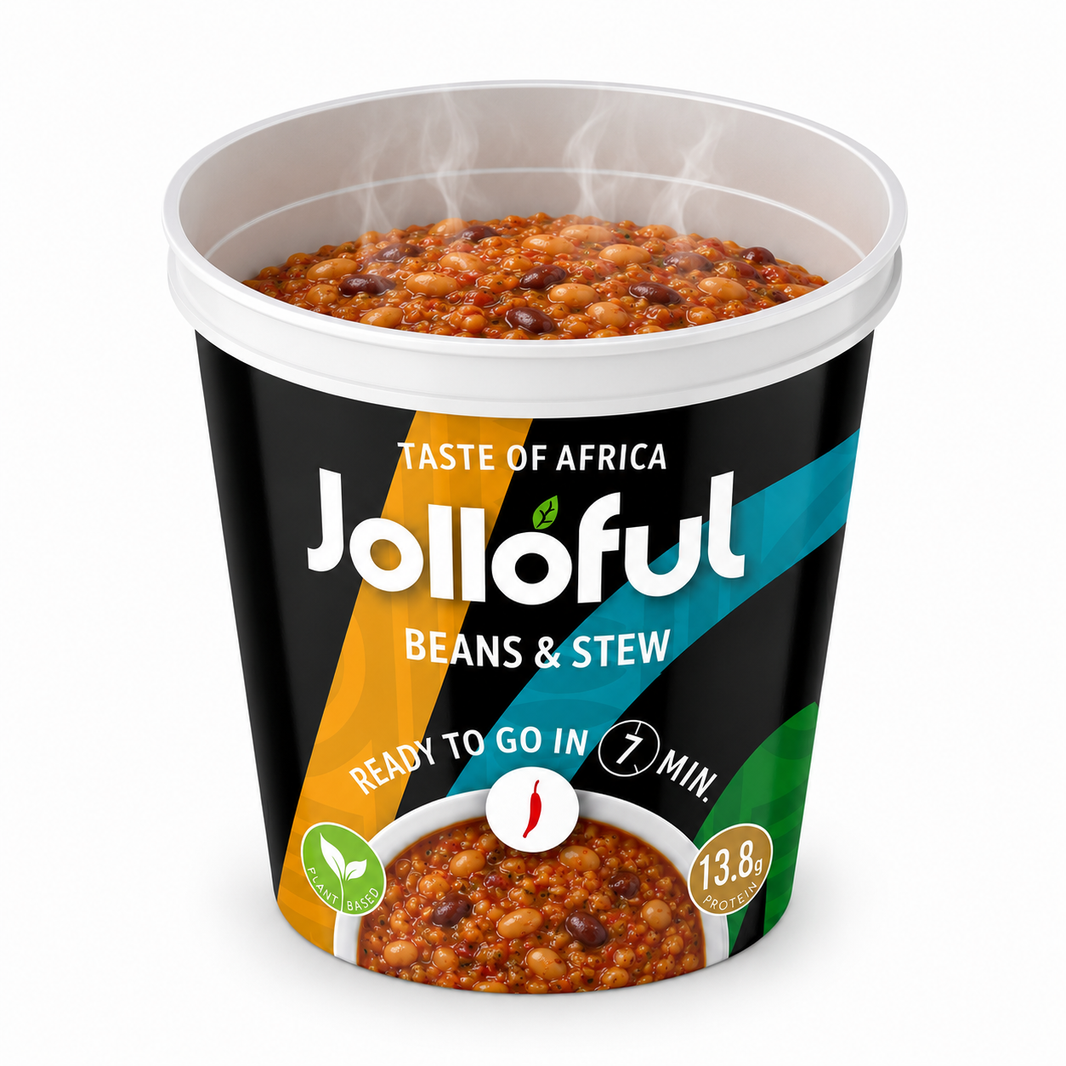
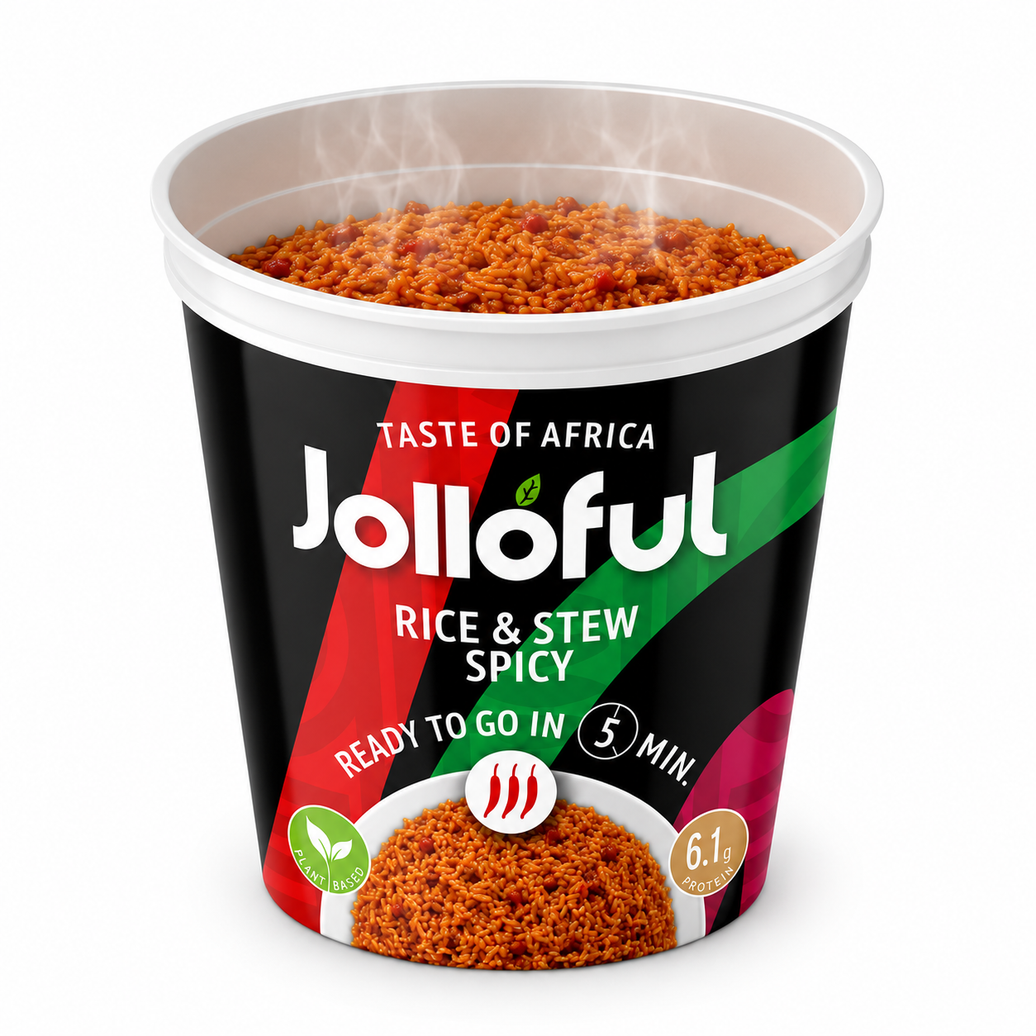

Order your 8-pack / 12 pack box today
A meal that takes minutes should not leave you decoding a chemistry set on the back of the pack. When you choose clean label meals, you are not asking for perfection or punishment disguised as wellness. You are asking for food made with recognisable ingredients, proper flavour and a place in real life.
That matters when the cupboard is running low, your lunch break is short, or dinner needs to happen between work, family and everything else. Convenience has long been treated as a compromise: fast but bland, filling but forgettable, shelf-stable but loaded with things you would not use in your own kitchen. It does not have to be that way.
What a clean label meal should mean
Clean label is not a tightly controlled legal term, so brands can use it loosely. That is why the ingredient list matters more than a polished claim on the front of the pack. In practical terms, a clean label meal usually puts familiar food ingredients first and avoids artificial colours, added preservatives and needlessly complicated additives.
It is not about fearing every ingredient with a long name. Citric acid, for example, occurs naturally in citrus fruit and may have a useful role in food. Nor does clean label automatically mean low calorie, low salt, organic or suitable for every dietary need. Those are separate questions.
The better test is simple: can you see what the meal is built from, and does the recipe make culinary sense? Grains, pulses, vegetables, herbs, spices, oils and seasonings are not only easier to recognise. They are also the foundation of food with actual character.
How to choose clean label meals without the guesswork
Start at the back of the packet, not the front. Claims such as “natural”, “wholesome” or “kitchen cupboard ingredients” can be useful signals, but they are not proof. The ingredients panel tells you what is really doing the work.
Read the first few ingredients
Ingredients are generally listed in descending order by weight. The first three to five ingredients give you a fast picture of the meal. Look for a clear base: rice, beans, vegetables, oats, grains or another recognisable staple. Then look for the ingredients that create flavour, such as onion, tomato, chilli, garlic, ginger, herbs and spices.
A short list is not automatically superior. A richly seasoned African meal may naturally contain more ingredients than a plain porridge pot because layered flavour takes more than salt and one dried herb. The goal is not the fewest possible words. It is ingredients with a purpose.
Know what you are trying to avoid
No single ingredient makes a meal “bad”, and shelf-stable food needs careful formulation to remain safe and enjoyable. Still, it is reasonable to pause when you see artificial colours, added preservatives, or a long line of flavour enhancers and fillers doing most of the heavy lifting.
Ask whether the product appears to rely on real food for its taste and texture, or whether it is trying to imitate food through additives. A spicy meal should taste exciting because it contains spices and aromatics, not because a vague “flavouring” carries the whole recipe.
Check the nutrition panel in context
Clean ingredients and nutrition are related, but they are not identical. A meal can have an admirable ingredient list and still be high in salt, saturated fat or sugar for your individual needs. Compare the nutrition information per serving, then consider the rest of your day rather than judging one product in isolation.
Salt deserves particular attention in quick meals. It helps preserve flavour and can be part of a balanced diet, especially for most healthy adults, but portions vary sharply between brands. If you eat packaged meals regularly, choosing a mix of options and adding fresh vegetables, yoghurt or a side salad can help keep your overall routine balanced.
Look for a meal, not just a snack in disguise
A convenient pot can be a brilliant lunch, but it should leave you properly satisfied. Look for a source of carbohydrates for energy and, where possible, fibre and protein from ingredients such as pulses or grains. If the meal is lighter, build it out rather than writing it off.
A handful of greens, a boiled egg, leftover roast chicken or some plain yoghurt can turn a quick meal into a more substantial plate. Clean label eating should support your routine, not create another complicated rulebook.
Flavour is part of the standard
Too many convenience brands assume that “better ingredients” must mean timid food. That is a false choice. Food can be straightforward and still have heat, depth and a point of view.
For African food especially, authenticity is not a garnish added to a generic recipe. It lives in the balance of spices, the familiar aroma when hot water hits the meal, and the confidence to let bold flavours stay bold. A clean label should protect that identity, not flatten it into something safe and anonymous.
If you grew up with these flavours, a quick meal can offer more than fuel. It can bring a small sense of home to an office kitchen, a university hall or a late night at your flat. If the cuisine is new to you, convenience can be a welcoming first taste - no specialist shopping trip, no intimidating preparation, no bland introduction.
Shelf-stable does not mean low quality
One persistent myth says that food with a long shelf life cannot be made with care. Shelf stability is a format, not a verdict on quality. Drying, packaging and controlled production can help meals stay ready when you need them, without requiring artificial colours or added preservatives.
The trade-off is that a shelf-stable meal will not behave exactly like something cooked from scratch and eaten immediately. Texture may be softer, and preparation instructions matter. Give the meal the stated standing time after adding hot water. That final wait allows ingredients to hydrate and flavours to come together.
The real advantage is freedom. You can keep satisfying meals at your desk, in a cupboard, in your travel bag or at home for the evenings when cooking from zero is simply not happening. Better convenience is not about replacing every fresh meal. It is about having a credible option when life gets busy.
Choose clean label meals that fit your life
The best choice depends on what you need that day. A working parent may prioritise a fast, family-friendly supper. A student may need something affordable and easy to store. A commuter may care most about a filling lunch that does not taste like an afterthought. Someone managing allergies or dietary restrictions needs clear, trustworthy labelling above all else.
That is why “clean” should never become a status symbol. It should be useful. Choose meals with ingredients you feel good about, flavours you genuinely want to eat and preparation that matches your schedule. If a product sits untouched because it tastes dull or takes too much effort, it is not serving you.
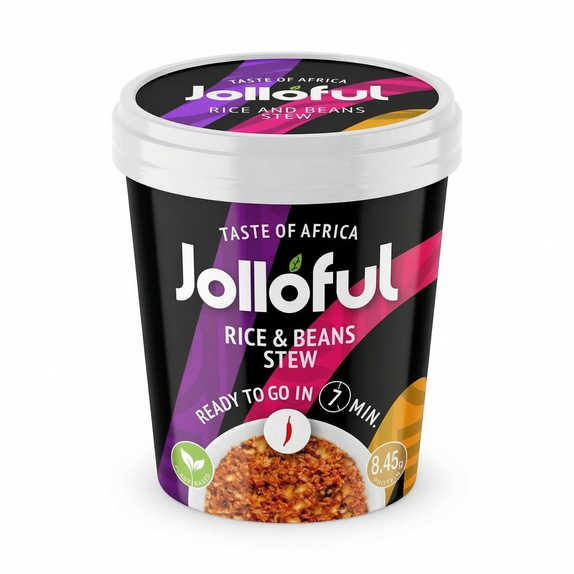
Jolloful was built around that higher standard: real ingredients, culturally rooted flavour and meals ready in minutes. Not generic convenience food with a new label. Food that respects both your time and the cuisine behind it.
Next time you reach for something quick, give the packet a fair look. Read the ingredients, check what matters for your diet, and trust your appetite for more than bland fuel. The meal you choose can be fast, shelf-stable and full of life.



Hinterlasse einen Kommentar