
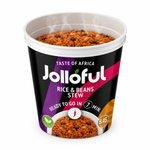
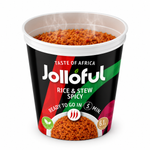

Order your 8-pack / 12 pack box today
A well-stocked cupboard should do more than rescue you when the fridge is empty. This shelf-stable food buying guide is for people who want fast meals that still taste like somebody cared. Think proper flavour, recognisable ingredients and food that earns its place between the lentils and the tea.
Shelf-stable does not have to mean bland, beige or loaded with things you cannot pronounce. The best options make busy mornings, late work nights, travel days and last-minute lunches easier without asking you to lower your standards.
Start with the meal, not the expiry date
Long shelf life is useful, but it should not be the only reason you buy something. Ask a simpler question first: would I genuinely want to eat this on an ordinary Tuesday? If the answer is no, it is not a smart cupboard staple. It is just emergency clutter.
Choose foods that solve a real moment in your week. A filling meal for after the gym, a desk lunch that does not require a supermarket run, something satisfying when cooking from scratch is not happening. The right product should save time while still delivering enough flavour and substance to feel like a meal.
This matters especially if you are trying to move beyond the usual convenience-food routine. Speed is valuable, but so are texture, seasoning and the feeling that your food has a point of view.
Read the ingredient list like it matters
A shelf-stable meal is processed to a degree. That is not automatically a problem. Drying, sealing and carefully packaging food are practical ways to make good food travel further and last longer. What matters is how the product gets there and what has been added along the way.
Look for an ingredient list that leads with foods you recognise: grains, pulses, vegetables, herbs, spices and oils. A shorter list is not always superior, especially when a recipe relies on a thoughtful spice blend, but it should make sense. You should be able to see the foundations of the meal rather than a long chain of fillers doing all the work.
Pay attention to artificial colours and added preservatives if those are not things you want in your everyday food. Also check for allergens, particularly when buying for a shared household or workplace. Clear labelling is not a luxury. It is part of buying with confidence.
Check whether it will actually fill you up
A tiny portion with a dramatic flavour name is not necessarily lunch. Before adding a product to your cupboard, check the serving size, calorie information and the amount of protein and fibre per prepared portion.
There is no universal perfect number. Your needs depend on whether the meal is a light lunch, a post-commute dinner or something to pair with a salad, yoghurt or fruit. Still, protein and fibre are useful signals. Together, they usually point towards a meal with more staying power than a refined carbohydrate snack dressed up as dinner.
Also consider the prepared volume. Some dry meals look modest in their packet but become generous once hot water is added. Others remain snack-sized. The serving instructions and nutrition panel will tell you more than the front-of-pack photography ever will.
Flavour should be specific, not vague
The best shelf-stable food does not play it safe with a generic "spiced" label. It tells you where its flavour is coming from. Is there chilli, ginger, garlic, smoky pepper, tomato, onion, curry leaves or warming aromatics? A clear flavour profile gives you a better idea of what will land in your bowl.
For shoppers discovering African food, shelf-stable meals can be a brilliant first step. They offer an easy entry point without requiring a long ingredient hunt, specialist cooking knowledge or an entire evening in the kitchen. For diaspora households, the standard can be even higher: convenience should still respect the flavours that feel familiar.
Authenticity is not a decorative word on packaging. It shows up in the recipe, the seasoning choices and the confidence to let African flavours be bold rather than softened into something forgettable.
Use this shelf-stable food buying guide to compare convenience
Preparation time deserves a closer look. “Ready in minutes” can mean several different things: add hot water and wait, cook on the hob, heat in a microwave, or add extra ingredients before it becomes satisfying. None is inherently better, but the method needs to fit your real life.
For an office drawer, a university room or a hotel stay, hot-water preparation is hard to beat. For home, you might happily choose something that takes a little longer if it feeds more than one person. Check whether the product needs a bowl, a microwave-safe container, refrigeration after opening or any equipment that will make it less practical than it first appeared.
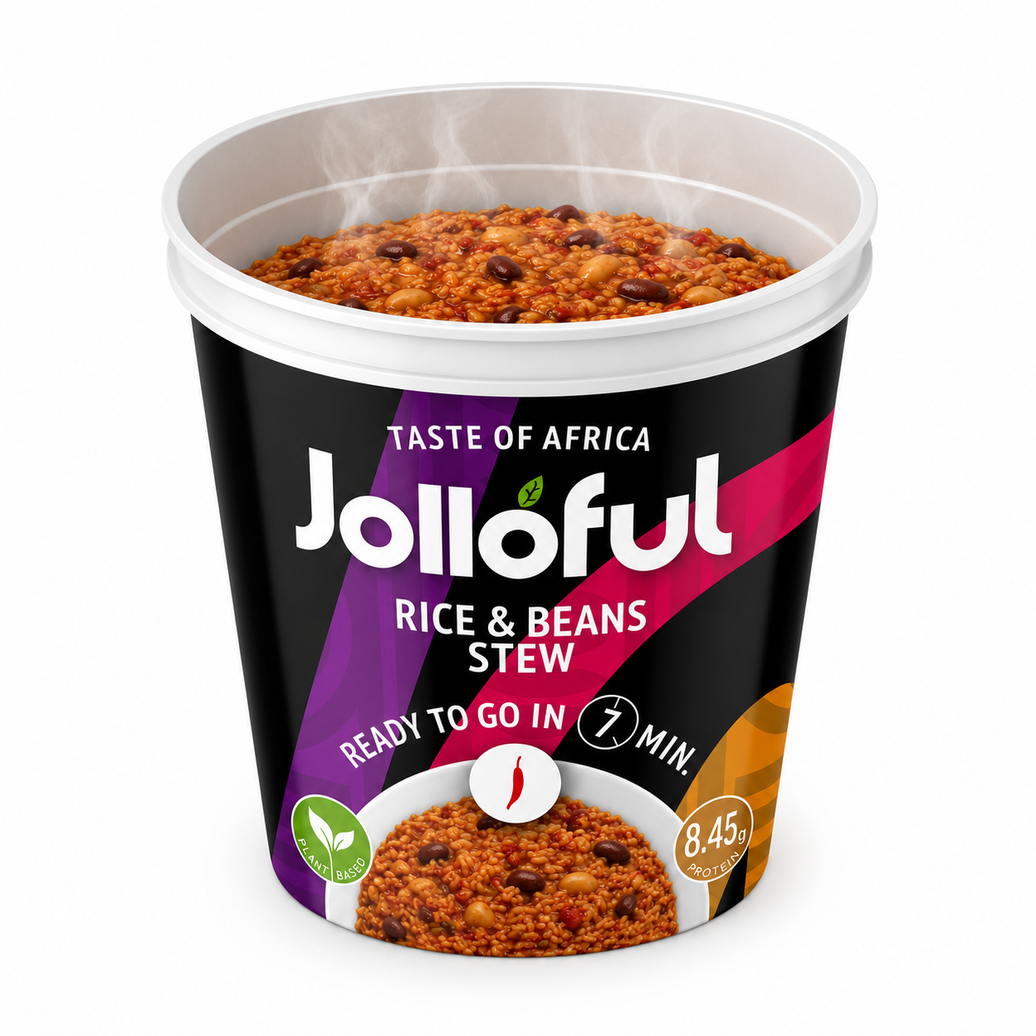
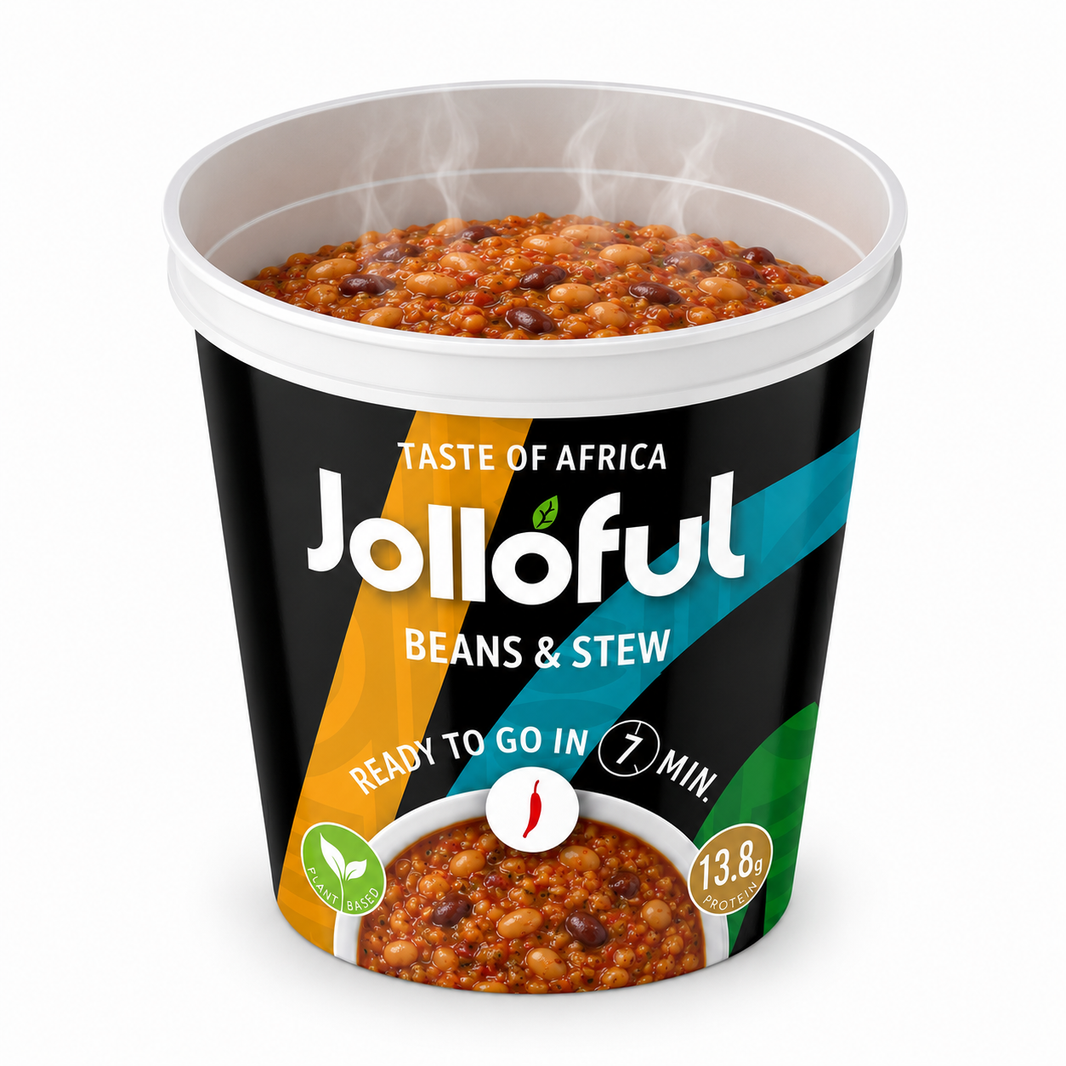
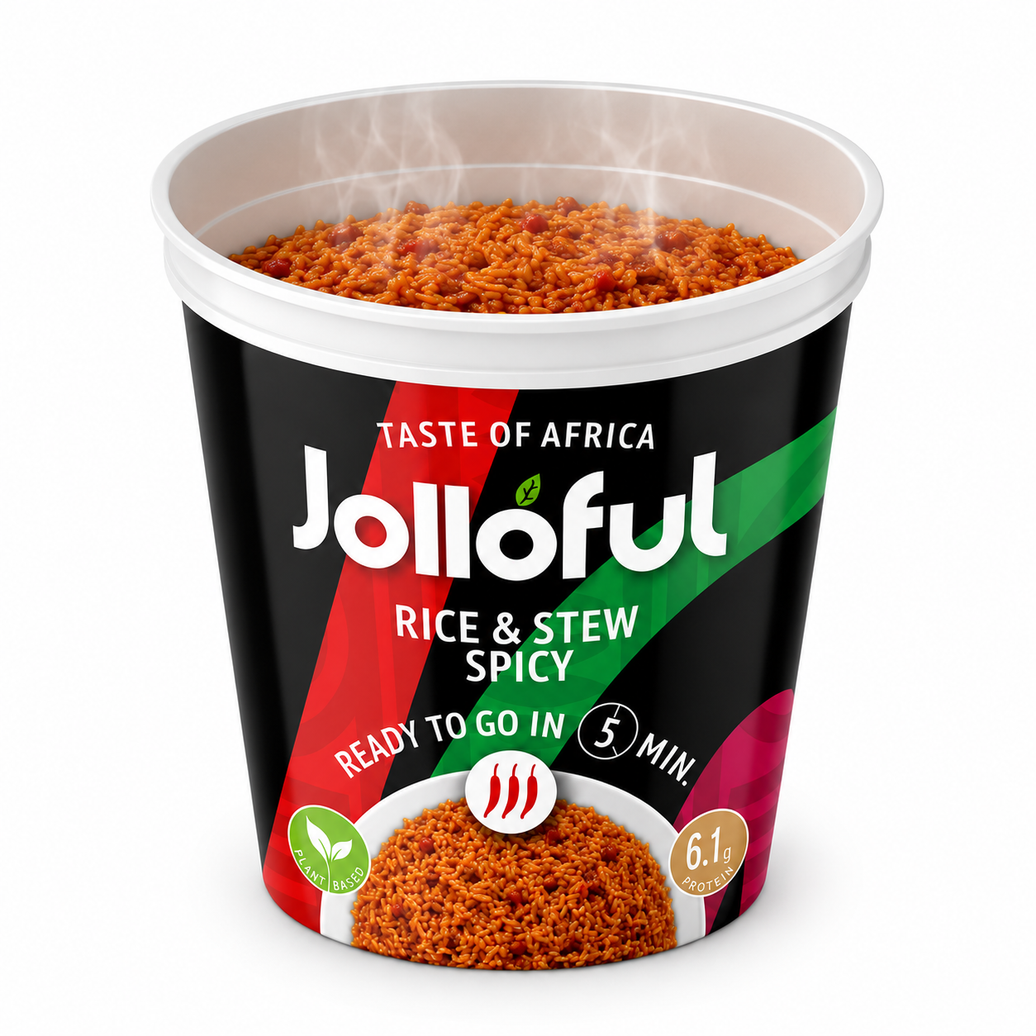
The sweet spot is food that feels easy without feeling compromised. Jolloful meals, for example, are designed to prepare with hot water in a few minutes while keeping their roots in full view. That is the kind of convenience worth making room for.
Do the value calculation properly
The cheapest item on the shelf is not always the best value. If it leaves you hungry an hour later, lacks flavour or ends up forgotten at the back of the cupboard, it was never a bargain.
Compare price against portion size, ingredients, preparation time and how often you can honestly imagine eating it. A slightly higher-priced meal may be better value if it replaces a takeaway, prevents food waste or gives you a dependable option on evenings when you would otherwise skip dinner.
Variety packs can help here, particularly when you are trying a brand for the first time. They let you test different heat levels and recipes without committing to a full stash of one flavour. Once you know your favourites, buying a few dependable options becomes much easier.
Build a cupboard with range
A good shelf-stable cupboard should not be twenty versions of the same meal. Mix quick complete meals with building blocks such as beans, grains, tinned fish, vegetables, sauces and spices. That way, you have options for different appetites and different amounts of time.
Keep a few meals that need nothing beyond hot water for genuinely hectic days. Add other items that can be dressed up when you have five extra minutes: a handful of spinach, a fried egg, fresh herbs, chopped cucumber or a spoonful of yoghurt can change the whole experience.
Storage conditions matter too. Keep products cool, dry and away from direct sunlight. Rotate your stock by putting newer purchases behind older ones, and do not treat the best-before date as a challenge. It is there to guide quality, not to reward procrastination.
Know the trade-offs
Shelf-stable food cannot replicate every quality of a meal cooked from fresh ingredients that same day. Crisp vegetables may soften, and a recipe designed for speed may not offer the same flexibility as cooking from scratch. That is fine. The goal is not to replace home cooking at every turn.
The better question is whether the product does its own job well. Does it taste good? Does it fit your schedule? Does the label align with what you want to eat? Does it bring more character to your routine than the usual convenience aisle choices?
Buy shelf-stable food with the same standards you bring to any other meal: choose food you look forward to, keep it where you can see it, and let your cupboard make busy days taste far more interesting.


Hinterlasse einen Kommentar