
Ask three West Africans what makes jollof rice authentic and you may get five answers, a family debate, and at least one strong opinion about whose auntie makes it best. That is part of the point. Jollof is not authentic because it follows one rigid script. It is authentic because it carries history, technique, regional character, and flavour that cannot be faked.
For anyone meeting jollof through a supermarket aisle, a food festival, or a quick lunch at your desk, that distinction matters. Authenticity is not a label you print on a pack and hope no one questions. It shows up in the ingredients, the cooking process, the taste, and the cultural confidence behind the dish.
What makes jollof rice authentic in the first place?
Authentic jollof rice starts with a tomato and pepper base cooked down properly, rice that absorbs flavour instead of sitting next to it, and seasoning that tastes layered rather than flat. It should feel intentional. You should taste sweetness from cooked tomatoes and onions, warmth from spice, savoury depth from stock or protein, and that unmistakable richness that comes from letting the pot develop character.
Just as important, authentic jollof belongs to a real culinary tradition. It comes from West Africa, with deep roots across countries including Senegal, Ghana, Nigeria, Sierra Leone, Liberia, and The Gambia. Each version has its own logic. So when people ask what makes jollof rice authentic, the best answer is not one recipe. It is fidelity to the tradition a particular version comes from.
That means a Nigerian jollof does not need to taste Ghanaian to be authentic, and a Ghanaian version does not need to imitate Senegalese ceebu jen. Authenticity is not sameness. It is cultural honesty.
The base matters more than shortcuts
A lot of disappointing jollof fails before the rice even goes into the pot. The foundation is the stew or sauce, usually built from tomatoes, red peppers, onions, oil, and seasoning. That base needs time. Fresh ingredients are blended or cooked down until they lose their raw edge and deepen in flavour.
This is where authenticity starts to separate itself from convenience food shortcuts. If the tomato tastes sharp, watery, or metallic, the rice will never quite recover. If the pepper is there only for heat and not flavour, you miss the full profile. Good jollof is not just spicy. It is rounded.
There is also the question of purity. Some cooks use fresh tomatoes, some use paste for intensity, many use both. That is not cheating. It is technique. What matters is whether the final base tastes rich and cohesive. Artificial colouring, sugary sauces, or generic "red rice" shortcuts take the dish away from its roots. Real jollof gets its colour and depth from real ingredients cooked properly.
Rice is not an afterthought
The rice itself tells you a lot. In authentic jollof, the grains should be cooked in the sauce so they absorb flavour from the inside out. This is one of the dish's defining features. The rice is not plain rice with stew spooned over it. It is one pot cooking, where starch, sauce, seasoning, and steam come together.
Texture matters too. Depending on the regional style, the grains may be more separate or slightly softer, but they should not be mushy. They should hold flavour. The bottom of the pot may even develop a smoky, caramelised note that many people actively chase. That prized edge is part of the experience when done well.
This is why authenticity is not only about ingredient lists. It is also about cooking method. You can buy all the right ingredients and still miss the mark if the rice is boiled separately and dressed up afterwards.
Smoke, spice, and depth - the flavours that count
One reason jollof is so loved is that it delivers more than one thing at once. It is savoury, peppery, slightly sweet from cooked vegetables, and often smoky. The smoke can come from firewood in outdoor cooking, from a well-managed pot on the hob, or from allowing the rice to catch just enough at the bottom. Not burnt for the sake of drama. Balanced, purposeful smokiness.
Spice is another point people often oversimplify. Authentic jollof can be hot, but heat alone is not the measure. Scotch bonnet or similar chillies bring fruitiness as well as fire. Thyme, curry powder, bay leaf, ginger, garlic, stock, and seasoning all play their part depending on the household or country. The result should taste built, not dumped together.
That is also why bland jollof feels especially wrong. This is a dish known for personality. If it tastes generic, pale, or timid, authenticity has already slipped.
Regional identity is part of what makes jollof rice authentic
There is no serious conversation about what makes jollof rice authentic without talking about regional variation. Jollof is a family of dishes, not a single fixed formula.
Nigerian jollof is often bold, party-ready, and deeply seasoned, sometimes with a more concentrated tomato base and that famous smoky finish. Ghanaian jollof often leans on fragrant rice and equally rich seasoning, with strong loyalties around texture and spice balance. Senegal's ceebu jen, widely recognised as an ancestor of jollof, brings a different structure entirely, with fish, vegetables, and rice prepared in a style that reflects its own history.
Even within one country, authenticity can shift from one home to the next. One family uses more ginger. Another swears by a particular stock. Someone else insists on cooking over fire for the right finish. None of this weakens the idea of authenticity. It proves it. Real dishes evolve through people, places, and memory.
The problem begins when a product borrows the name but strips out the identity. If it is marketed as jollof yet tastes like plain tomato rice with no depth, no heat, and no cultural reference point, the claim feels hollow.
Authenticity is also about ingredients you can trust
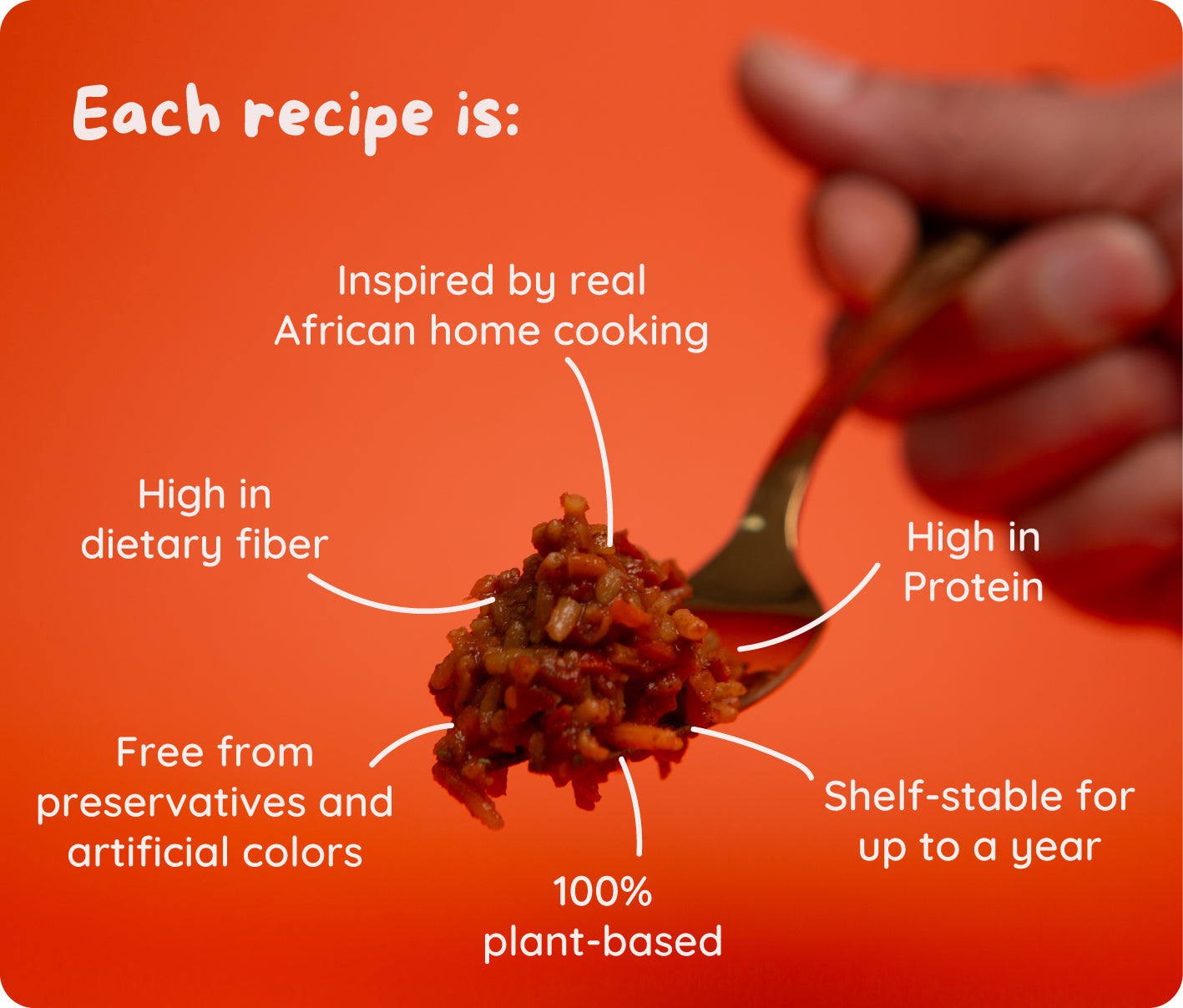
Modern food shoppers are right to ask harder questions. Does it use real tomatoes and peppers? Are the ingredients recognisable? Is the flavour coming from actual cooking or from artificial additives trying to imitate it?
For a dish as expressive as jollof, clean ingredients matter because they shape the final taste. Real onion sweetness, real pepper warmth, real spice, real tomato depth - that is where authenticity lives. Convenience does not have to cancel any of that. It just means the work has been done thoughtfully before it gets to you.
That is especially relevant for busy households across the UK and Europe who want food that is fast but still feels rooted in something real. Shelf-stable does not need to mean lifeless. Quick meals do not need to flatten culture into something bland and easy to shelve beside instant noodles. There is a better standard, and authentic jollof should meet it.
Can convenience food still be authentic?
Yes, but only if it respects the dish.
This is where people get understandably sceptical. Traditional foods often lose something when they are reformulated for speed, export, or mass retail. Sometimes that scepticism is deserved. Plenty of convenience products borrow cultural language while delivering a watered-down version built for the broadest possible market.
But authenticity and convenience are not natural enemies. A meal can be ready in minutes and still be grounded in the right ingredients, flavour profile, and cooking logic. The real test is whether the product tastes like someone cared about preserving the soul of the dish, not just its name.
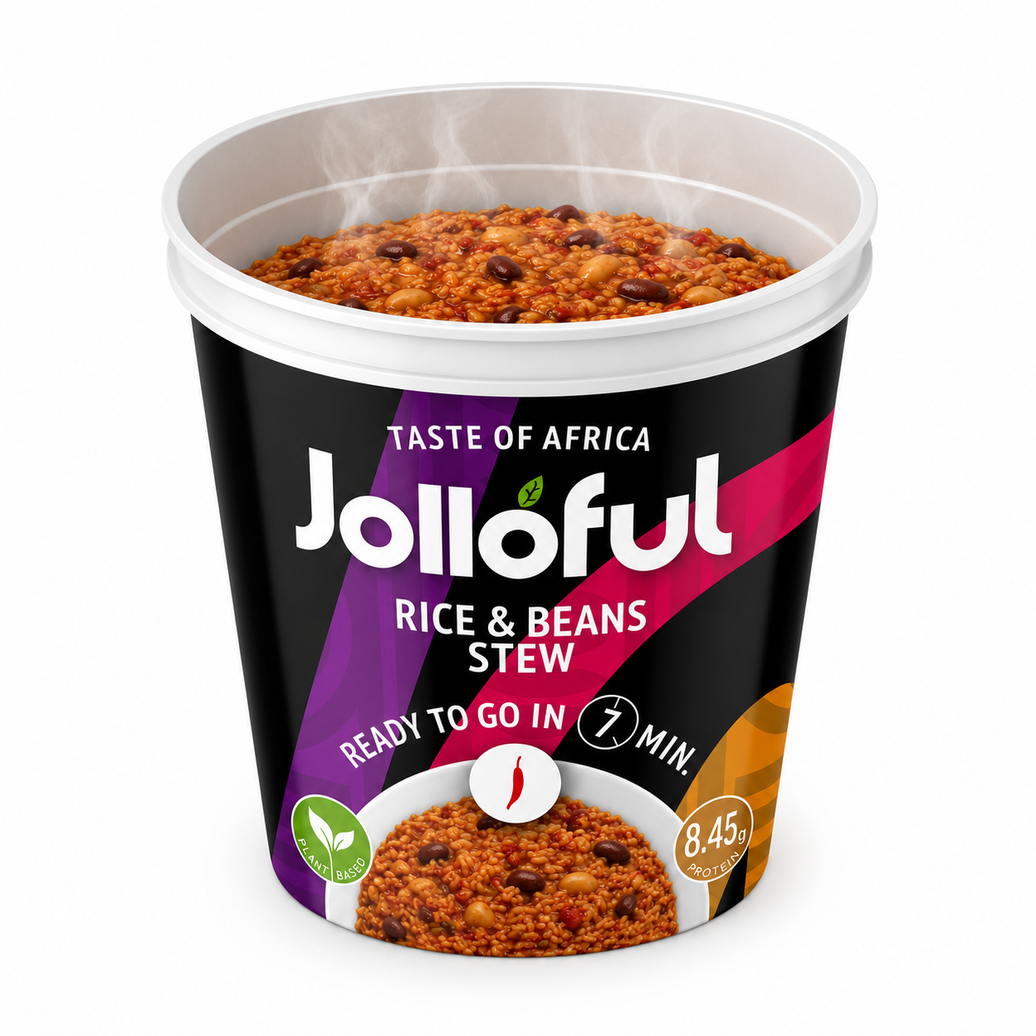
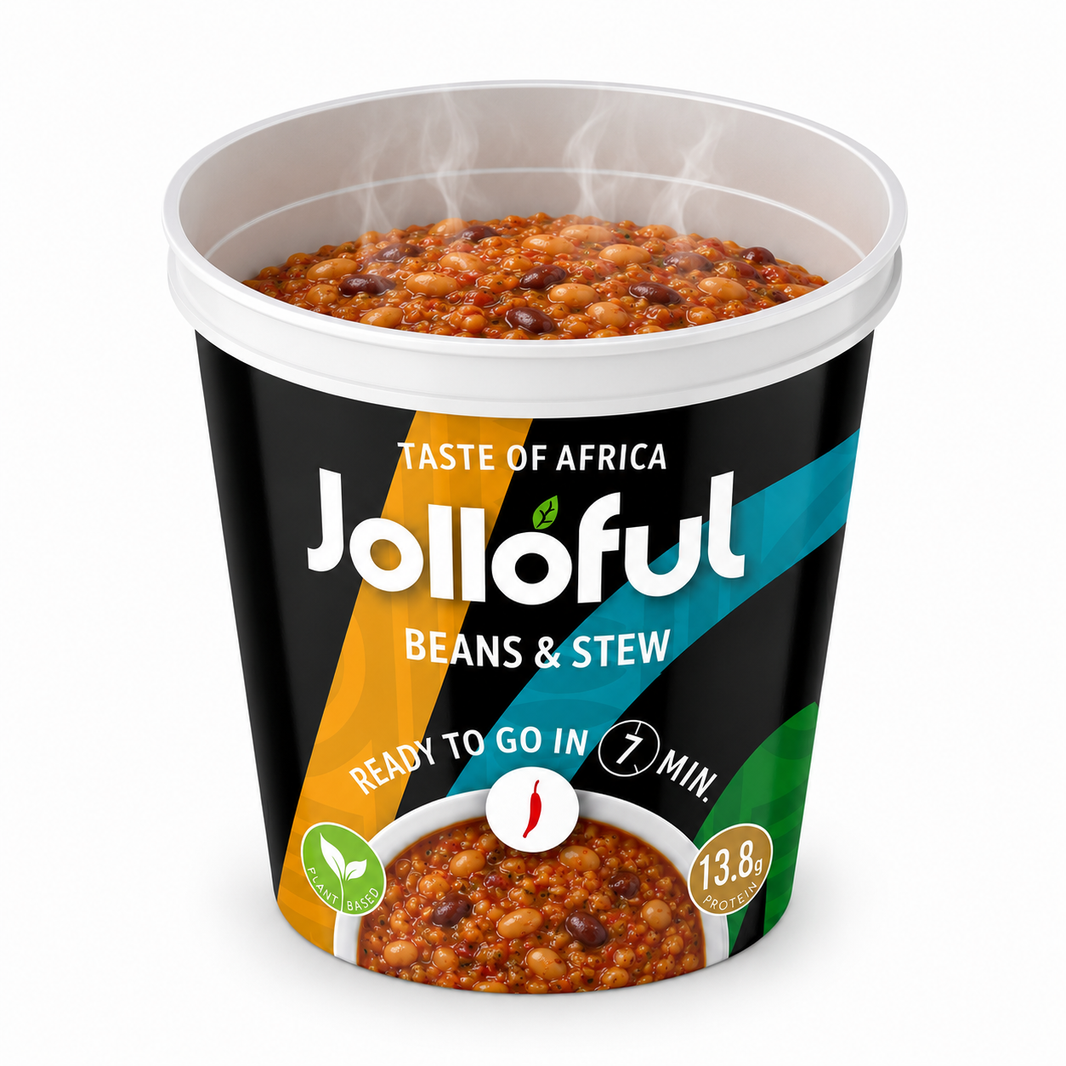
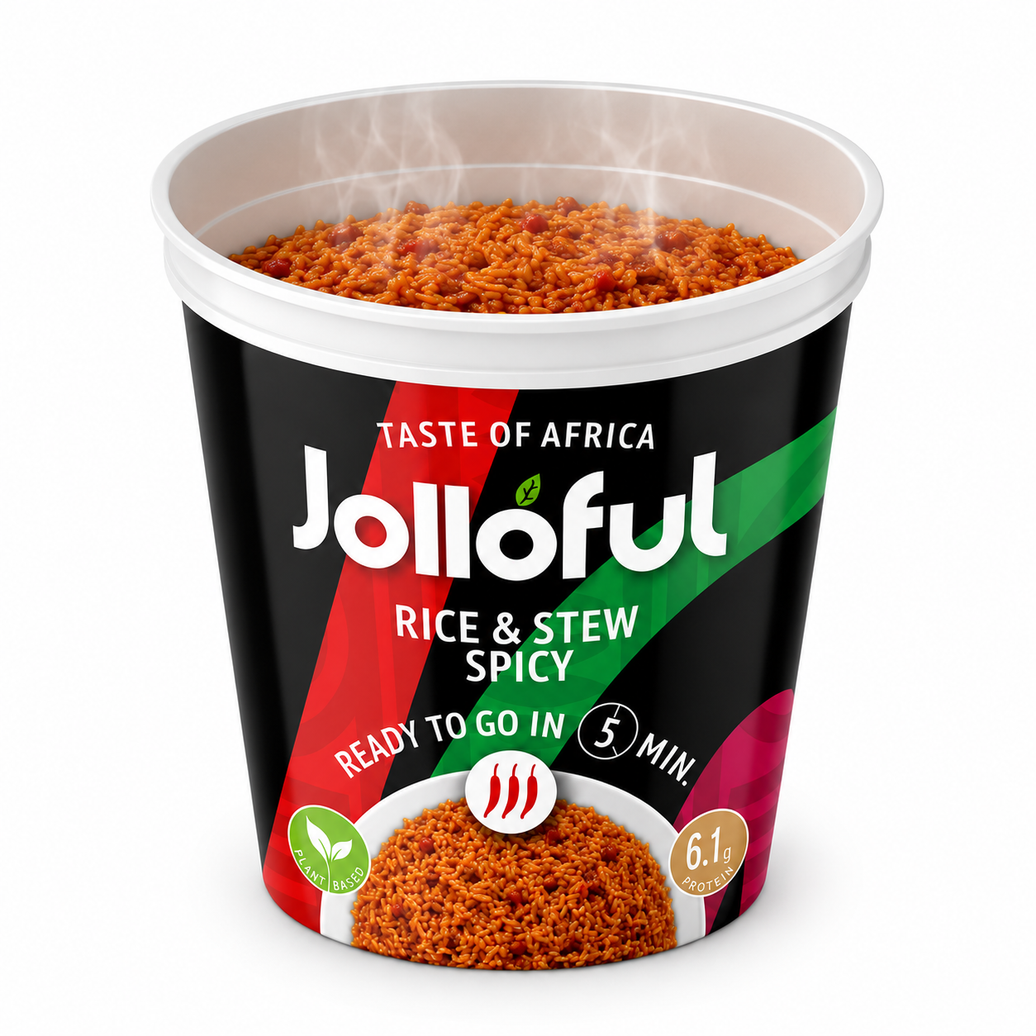
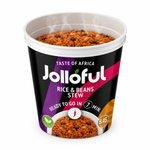
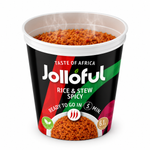
That is the challenge Jolloful was built to answer. Fast should still taste rooted. Portable should still taste like home, or like a credible first encounter with West African food if you are new to it.
The real test is simple
When jollof rice is authentic, it does not need a big speech. The aroma hits first. Then the colour. Then the depth of flavour that tells you the tomatoes were cooked, the seasoning was layered, and the rice was given time to become part of the whole dish.
It may remind someone of home. It may introduce someone else to West African cooking in a way that feels immediate and memorable. Either way, authentic jollof should taste like it comes from somewhere specific.
That is what matters most. Not perfection by one universal standard, but truth to the tradition behind the pot. If your jollof has real ingredients, a proper pepper-tomato base, rice cooked in flavour, and a profile that reflects its cultural roots, you are already close to the heart of it.
And if it leaves you arguing passionately over whose version is best, that might be the surest sign of all.
ORDER TODAY>>> (https://www.jolloful.com)




Hinterlasse einen Kommentar